
Gentle Habits to Support Emotional Calm
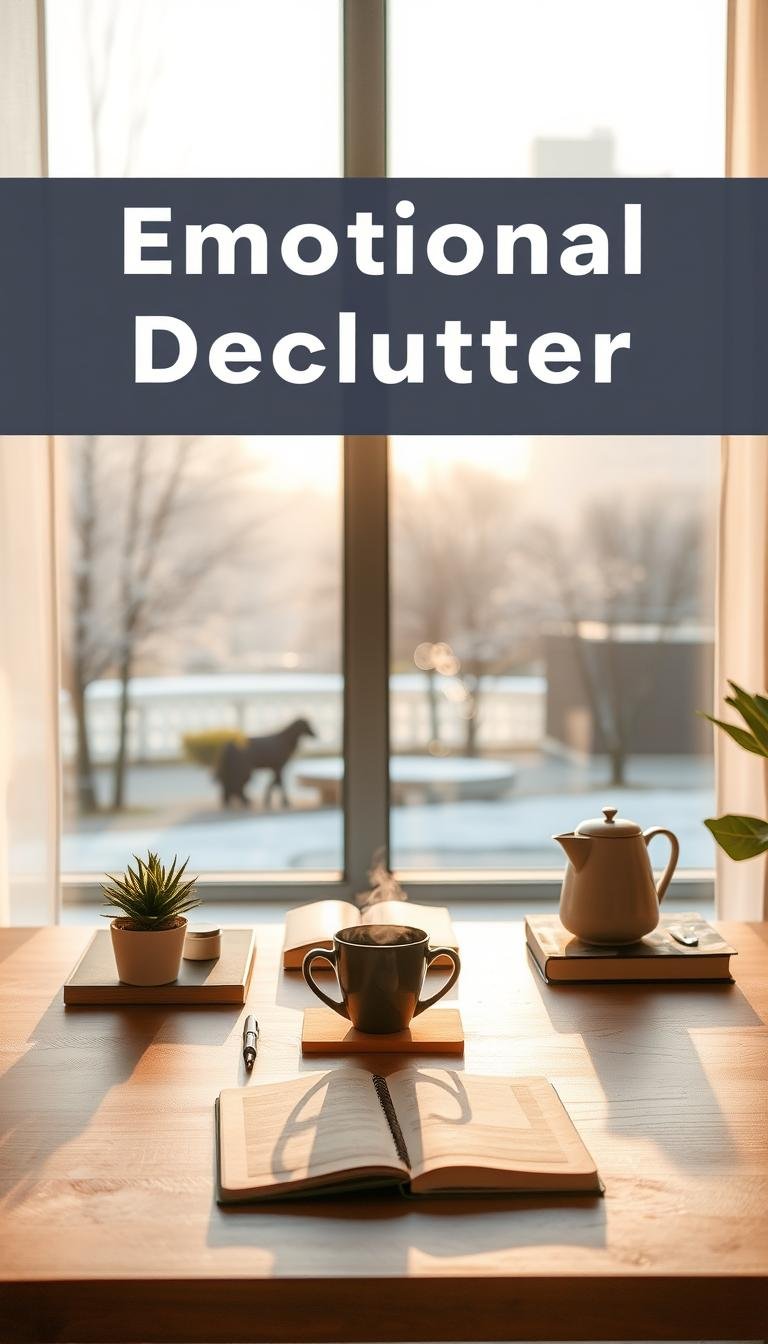
Imagine soft light in a quiet room, a warm cup held between your palms, and a moment to slow the mind.
Start with one easy breath. Let it be deep and even. This portable practice helps settle high arousal and brings a gentle shift in attention.
Notice five things you see, hear, and feel. Naming small things broadens focus and lessens the hold of strong emotions.
Try a brief pause: sense the chair beneath you, the warmth of the cup, the hush of the room. A short walk or a tiny muscle-release can regroup you before you return to the day.
Invite a friend-like inner voice: what would feel supportive right now? Choose one small way to care for yourself in this moment.
Honor the arrival of practice as a kind beginning, not a task. These soft rituals create a quiet path back to ease, one warm moment at a time.
Key Takeaways
- Use deep, even breathing to help settle heightened arousal.
- Ground with five things you can see, hear, and feel.
- Short breaks—look out a window or walk—help you regroup.
- Try quick progressive muscle releases to shift tension to ease.
- Start small: a tiny ritual each morning or evening supports steady practice.
A soft beginning: a quiet room, a warm cup, and a slower breath

Find a small, quiet corner and let your senses arrive. Hold a warm cup, soften the light, and fold a blanket across your lap.
Give your attention to simple things: the weight of the mug, the texture of fabric, the low sounds in the space. Let the mind rest on one thing at a time so the body can slow too.
Try a gentle breath pattern: inhale softly, and exhale a touch longer—one minute or two of this can shift the nervous system toward calm. If thoughts feel jumpy, step to a window for fresh air and return when you feel steadier.
- Set the scene: dim lights and straighten a small corner of the room.
- Ground with senses: name five things you see, five you hear, and five you feel.
- Short pause: breathe with longer exhales for a minute or two.
- Small intention: choose one phrase like “I will go slow” for this moment.
If anxiety or strong emotions arrive, remind yourself you can return to this warm cup and slow breath at any time. This quiet way of caring can ripple kindly through daily life.
Why this routine matters to your heart
A gentle sequence of acts can quiet the rush and shelter strong feelings. When intense feelings arrive, the sympathetic nervous system may trigger fight, flight, or freeze. Simple, repeatable steps help the body shift from that high arousal into a steadier state.

Creating a safe inner space for big feelings
Predictability gives the mind a familiar path so emotions have somewhere soft to land. Deep, slow breathing and progressive muscle release guide the brain toward a safer response.
- Routine reduces stress: a calm sequence signals safety and lowers urgency.
- Simple rituals support health: warmth, breath, and quiet create a consistent container for feelings.
- Mindfulness helps: noticing sensations or counting briefly steadies attention and reduces anxiety and anger.
This process is gentle care, not perfection. Over time these small practices become a trusted part of life, helping people welcome each feeling as a valid part of the inner world.
A gentle how-to: slow rituals for daily practice
Give yourself a short, steady practice that fits into ordinary time. These steps are small and repeatable. They help steady attention and soften the rush of strong emotions.

Begin with breath: lengthen the exhale and soften the shoulders
Inhale softly through the nose and exhale a little longer through the mouth. Let the shoulders drop away from the ears with each out-breath.
Try box or ratio breathing to give your mind an easy counting pattern: count to four in, hold briefly, then count to five out.
Ground through touch: notice the chair, the floor, the support beneath you
Feel the chair under your hips and the floor under your feet. Notice the weight of your hands where they rest.
Naming support in the body widens your sense of safety and steadies attention.
Sensory noticing: five things you see, hear, and feel to steady the mind
Slowly list five things you see, five you hear, and five you feel. Let the naming be soft and steady.
If thoughts wander, gently note them and return to the next small item.
Progressive release: tense and soften one small muscle group at a time
Choose a small area—hands, jaw, or shoulders. Tense for about five seconds, then soften fully.
Repeat in two or three spots. Use care around injuries or trauma history and skip any move that hurts.
- Keep this practice brief: a few minutes signals safety without pressure.
- Use these exercises as a kind skill you can rely on anytime.
- End with a soft pause to notice how the body feels now.
| Technique | What to do | When to use |
|---|---|---|
| Breath (box/ratio) | Count in, hold briefly, longer out | Start of practice or when thoughts race |
| Grounding by touch | Name support under body and hands | When you need steady attention |
| Progressive release | Tense 5s, release fully in small areas | To ease tension and feel the difference |
Optional mini-rituals for a quiet evening
A few small rituals can turn evening minutes into quiet, restorative time. These cozy ideas are optional and gentle—pick one or two that suit your mood.

Warm cup ritual
Hold, smell, and sip slowly for a few minutes. Let the warmth ease tension in the body and ground you before bed.
Digital sunset
Fade screens and lower lamps. A softer light tells the mind it’s okay to unwind and reduces evening stress.
Slow journaling
Write a short journal entry—two or three lines—to meet your emotions with kindness. No perfect words needed.
Ten-minute reset
Try light movement or a brief walk. Changing scene for ten minutes can interrupt anxious loops and shift your state.
“Small, friendly choices help people feel supported rather than pressured.”
- Keep choices tiny so they fit into life and feel doable.
- If you feel like company, text a friend for a few kind words.
- Place a soft object nearby to steady things within reach.
| Ritual | Time | Main benefit |
|---|---|---|
| Warm cup | 3–5 minutes | Soothes the body |
| Digital sunset | 10 minutes | Reduces screen stimulation |
| Slow journaling | 5–10 minutes | Names emotions and clears the mind |
| Ten-minute reset | 10 minutes | Releases stress and refreshes attention |
Grounding the body and senses when anxiety visits
When anxiety arrives, small shifts in body and focus can steady you quickly.

Steadying attention works like a soft redirection. Count backward quietly from 20 or name the colors you see in the room. These simple games move the mind away from an urgent loop.
Progressive muscle relaxation
Choose one small area—hands, jaw, or shoulders. Tense for about five seconds, then let the tension go fully.
Repeat once or twice and notice how the body and mind feel a little lighter.
Centering object and a change of scene
Hold a smooth stone or a locket as an anchor. Let its weight remind you to slow your breath and be present.
Step outside for a breath of fresh air if you can. A brief change of scene often shifts your nervous system to a steadier state.
Easy acupressure and gentle response
Press the inner wrist crease with your thumb for a minute or two to invite ease. If anger joins other emotions, soften your jaw and drop your shoulders.
“Small, steady techniques give you a point of return in any tense situation.”
- Try one thing at a time: a single exercise can change your response in a moment.
- Listen to the body: notice warmth, coolness, or the feel of your feet grounded.
- Be kind to yourself: there’s no rush—these techniques fit into ordinary life and help you feel like you again.
Soft breath and mind practices for Emotional Calm
Breathing with care gives the brain a simple pattern to follow. These short, gentle steps help you access a steadier state when thoughts race or anxiety nudges.

Even, slow breathing: try a calm rhythm with longer exhales
Settle into even inhales and let each exhale be a touch longer. A 1:2 inhale-to-exhale ratio trains the nervous system so this process feels available in stress.
Box or ratio breathing: simple counts to guide your breath
Use a gentle cycle: count four in, pause, and count six or eight out. The count gives the mind a steady focus and the brain a predictable rhythm to follow.
Calm visualization: picture yourself steady and supported
After a few breaths, imagine a safe scene where you feel steady. Hold that image briefly and return to it when anxiety returns.
Kind questions to reframe thoughts: “Is there another way to see this?”
Ask gentle questions to shift perspective. Try, “What would I tell a friend?” or “How important is this in one hour?”
“Small, steady techniques give you a clear point of return in any tense moment.”
- Pair mindfulness with breath: notice where an emotion sits in the body and offer that place a longer exhale.
- Treat reframing as a skill: invite change softly, not forcefully.
- Keep a few steady ways: simple anchors become trusted in daily life.
| Practice | What to do | When to use |
|---|---|---|
| Even breathing | 1:2 inhale-to-exhale rhythm | Daily practice and mild anxiety |
| Box/ratio | Counted inhales, holds, longer exhales | When thoughts feel racing |
| Visualization | Picture a supported, steady scene | As a quick mental reset |
What to release: making room for ease
Give yourself permission to set down one pressure and see what shifts. This is a gentle way to notice where stress collects and create a little room.

Letting go of rushing, pressure, and perfection
Notice where tension sits in the body or mind. Name one pressure you can ease today—then choose a small step to lower it.
Release perfection by favoring steady practice over pushing through. A small, repeatable habit helps growth more than relentless doing.
Choosing gentleness over pushing through
When thoughts tell you to do more, pause and ask what can be simplified or delayed. Gentle choices protect energy and help sustain life over time.
- Notice where stress gathers and set down a little of it to make room for ease.
- Release perfection by choosing kinder ways: small, steady practice beats pressure.
- Let your emotions be a part of you; they do not need polishing to deserve care.
- If you feel like you must do more, ask what to simplify, delegate, or delay.
- Offer yourself the same care you give people you love—gentleness is strength.
- Replace harsh thoughts with soft ones: “I’m doing enough; I can go slowly.”
- Sense where pressure sits and give that place space: a breath, a stretch, a moment of stillness.
- Quiet growth often looks like choosing kindness again and again in daily life.
- Keep the practice small and friendly; one lighter step is a meaningful way forward.
- Remember: letting go is part of caring for your heart, not giving up—it’s choosing ease where possible.
“A softer way of caring lets people meet what arises without extra weight.”
Gentle prompts for your journal
Let a short page be a soft place where your feelings can rest.
Writing down how you feel helps organize thoughts and lightens the load. Pause for a breath, then write in short lines.
Prompt 1: What feels tender in me today, and what would help it feel supported?
Prompt 2: If a friend shared these feelings, what gentle words would I offer them—and myself?
Jot three emotions present now and where you notice them in the body. Note one small caring action you can take.

- Keep this page simple and kind; journaling can be a soft place to set down emotions and thoughts.
- Let mindfulness guide the process—pause to feel your breath, then continue in easy sentences.
- If time is tight, circle a word that resonates—“soft,” “steady,” or “safe”—and let that be enough.
- Close with a simple thanks to yourself for showing up, even briefly.
“Tuck the journal away like a gentle letter to future you, ready when you return.”
| Prompt | What to write | Main benefit |
|---|---|---|
| Support check | What feels tender and what helps | Names needs and invites care |
| Friend filter | Words you’d offer a friend and yourself | Shifts tone to kinder self-talk |
| Quick inventory | Three emotions and one action | Clears the mind and sparks growth |
| Time-saver | Circle one resonant word | Provides a brief anchor when short on time |
Conclusion
Remember one simple step you trust, and return to it when a situation feels full. Keep a few soft ways—steady breath, grounding touch, or a short walk—that fit your work and day.
Use these gentle strategies as small repeats so your brain learns a kinder cycle. If anxiety or anger rise, try a brief exercise or progressive release to shift your state.
For extra support, consider resources or professional therapy to build skills and steady routines. These tools help people shape life around what truly supports health.
Take one kind step today; you can return to calm in small cycles, one gentle moment at a time.
FAQ
How long does it take to feel a difference using these gentle habits?
Most people notice small shifts in mood and tension within a few minutes to a week when they practice simple rituals regularly. A five- to ten-minute breathing or grounding exercise can lower heart rate and soften tightness in the body right away. For lasting change, try a daily practice for several weeks and track how your stress and attention respond.
Where is the best place to begin these routines?
Start in a quiet room with minimal distractions—a chair that supports your back, soft lighting, and a warm cup if you like. A consistent spot helps the brain link the environment with relaxation. If you can’t find a quiet room, create a small corner with a mat, cushion, or even a favorite chair to signal the body it’s time to slow down.
Can these practices help when anxiety suddenly spikes?
Yes. Quick grounding techniques—such as naming five things you see, feeling your feet on the floor, or holding a small object—bring attention back to the body and reduce the rush of racing thoughts. Pair those with slow, lengthened exhales and gentle movement for a faster calming response.
How do I pace my breath without making it feel forced?
Aim to slightly lengthen the exhale while keeping the inhale easy and natural. Try a soft count like 3 seconds in, 4 seconds out. If counting feels mechanical, focus on a gentle visual cue, such as imagining breath flowing out like a slow ribbon. Comfort is the priority—never push to discomfort.
What are simple evening mini-rituals that really help wind down?
A warm cup ritual, lowering screen brightness an hour before bed, and a short five-minute journal entry are practical and soothing. Gentle movement—like a ten-minute walk or light stretches—clears built-up tension and signals the nervous system it’s time to rest.
How can I use touch to feel more grounded during the day?
Notice the support beneath you: press your palms to your thighs, feel the chair under your sit bones, or press the soles of your feet into the floor. These small acts of contact bring attention out of the head and back into the body, reducing the cycle of worrying thoughts.
Are there quick muscle-release techniques I can do at work?
Yes. Progressive muscle relaxation can be done seated: tense a small muscle group for 5 seconds, then soften and breathe into the release. Move through the neck, shoulders, hands, and jaw. Keep repetitions brief and focused so you can reset tension without drawing attention.
What if I struggle to keep a daily habit? Any tips for consistency?
Anchor a short practice to an existing routine, like after brushing your teeth or with your morning coffee. Start tiny—one minute of breath or one journal line—and build from there. Treat it as a curiosity-driven experiment rather than a must-do chore to reduce resistance.
Can visualization really change how I feel?
Yes. Calm visualization—imagining yourself steady, supported, and safe—helps shift the brain’s emotional set point. Use vivid sensory details: the room’s warmth, the weight of a blanket, or a steady rhythm of breath. Practice for a few minutes when you have space to deepen the effect.
How do I reframe harsh self-talk in the moment?
Ask kind questions like, “Is there another way to see this?” or “What would I say to a friend here?” Pause, take a breath, and name one small fact that contradicts the harsh thought. This slows the mental loop and makes room for a more balanced response.
Are there objects that help when thoughts race?
A smooth stone, a small locket, or a textured fabric can be a useful centerer. Holding an object anchors your attention to its shape, temperature, and weight—simple sensory input that steadies the nervous system when the mind feels scattered.
How do I choose which prompts to use in a short journal practice?
Select one prompt that invites curiosity rather than duty, such as “What did I feel today and what helped?” or “One small moment that felt gentle.” Keep entries to a few lines to lower the barrier and support regular reflection without pressure.
When should I seek professional help instead of only using self-practice?
If your symptoms—intense anxiety, persistent low mood, or difficulty functioning—last for several weeks or worsen, reach out to a mental health professional. Practices in this guide are helpful complements, but therapy, medication, or medical advice may be necessary for comprehensive care.