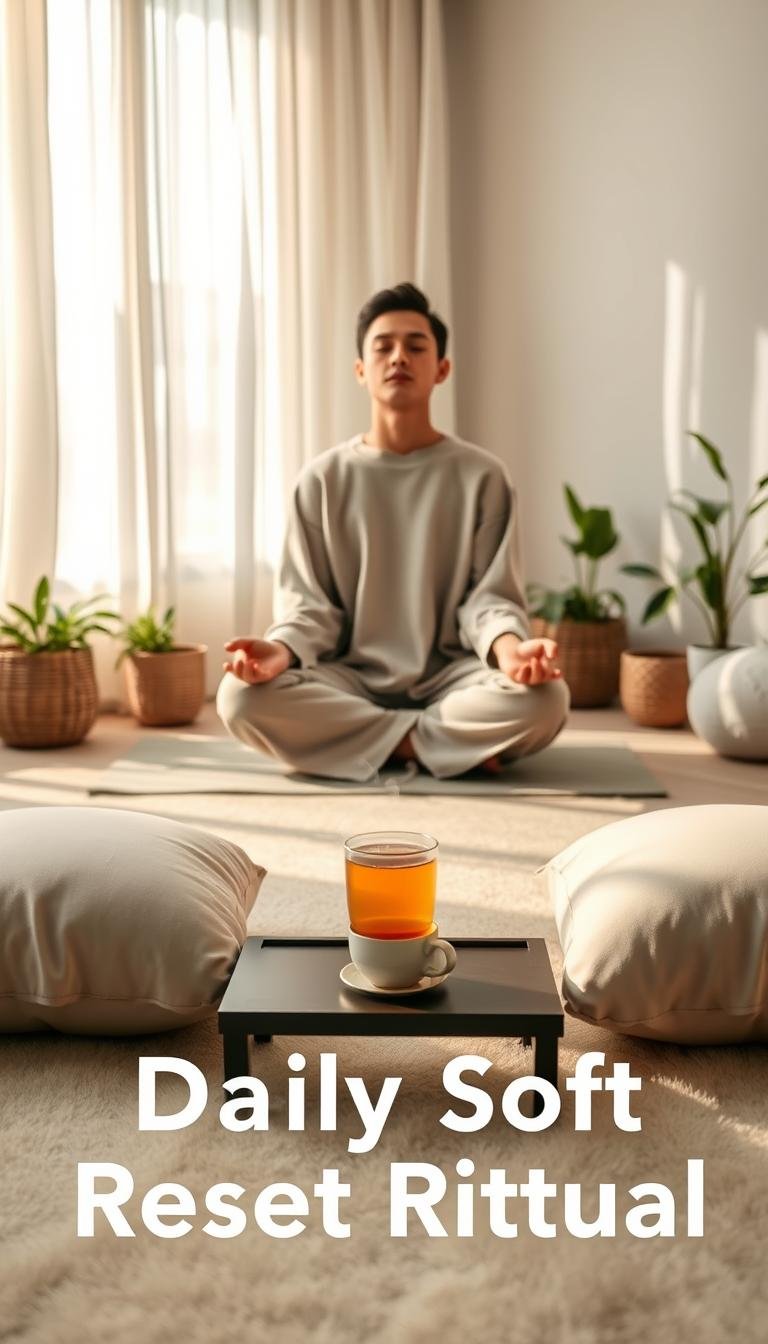

Slow Evening Routine for January Reset
Light softens as lamps dim and a warm cup rests between your palms. A blanket tucks at the shoulders. The room invites a gentle pause that lets both body and mind breathe.
Begin with a gentle digital sunset: enable iPhone Downtime or grayscale and turn Night Shift on your tablet. Change into pajamas, wash your face, and choose a quiet page of fiction. These small acts are kind cues that the day is closing.
Keep a steady time each night when you start. Candlelight or a low lamp can be a calm visual signal. This is not about more tasks. It is a soft reset to bring peace and better sleep quality back into your life.
Take permission to move slowly. Follow short, cozy steps and adjust as your evening feels right. How you end the day often shapes your morning, and this January can be a calm turning point.
Key Takeaways
- Use a digital sunset to limit screens and ease into rest.
- Simple rituals—skincare, pajamas, reading—signal the night is near.
- Start at a similar time to make wind-down smoother.
- Candlelight or dim lamps offer a gentle cue to relax.
- This guide is flexible and focused on comfort, not pressure.
A soft January welcome into a calmer evening
Enter the evening as if walking into a cozy room where time stretches a little. Feet warm, few things left to do, and the lights set low—this one choice tells your brain the day is shifting toward rest.
A gentle welcome can be two or ten minutes. Make space for a warm cup of tea, a dim lamp, or soft music. These small touches honor your life without adding tasks.
Set kind boundaries: turn on app limits or grayscale, pause work notifications, and let the phone sit aside. Your brain notices those cues and eases toward bedtime and better sleep.

- Dim the lights and lower expectations.
- Choose a favorite mug and a quiet corner.
- Hold the idea of bedtime as an anchor, not a rule.
| Simple cue | What it signals | Minutes to try |
|---|---|---|
| Dim lamp | Soothes eyes and mood | 5–10 |
| Herbal tea | Comfort and pause | 5 |
| App limits | Calms the brain | 10 |
| Quiet corner | Creates steady calm for the next day | 5–15 |
Why this routine matters for your heart, not just your schedule
Close the day with small, tender gestures that honor how you feel. These quiet choices turn ordinary hours into a caring bookend. They help the mind notice that work and activity are winding down.
Creating a peaceful bookend between day and night
Choose one gentle habit—dim the lights, change into soft pajamas, or open a short fiction page. Repeating a few steps at roughly the same time each night signals to your brain and body that the end of the day is near.

Choosing connection and comfort over pressure
Favor one small, kind activity rather than a long to-do list. Brushing teeth together, sharing a quiet cup after dinner, or lighting a single candle can create calm without adding work.
- Reframe the wind-down as a warm ritual, not a task.
- Lower the world’s volume—turn off notifications and soften lights.
- Repeatable steps form a gentle cycle from active day to restful night.
- Fiction often helps the brain wander into softer places before bedtime.
Begin where you are: set a cozy intention for tonight
Set a simple aim for this night — one tiny choice that feels kind. Pause for a breath. Place a hand over your heart and notice how you want the remainder of the day to feel.
Pick one small, doable change for tonight. It might be turning on app limits at a chosen time or lighting a single candle after dinner. Let that one choice guide your path forward.
Keep a short list of two things at most. A one-line reminder helps the evening routine stay gentle, not crowded. If it feels right, make warm tea part of the plan.

- Pause and place a hand over your heart to set the tone.
- Choose one warm step — candlelight or app limits — and a start time.
- Write a tiny list of two things so the routine feels supportive.
| Intention | Why it helps | Try for |
|---|---|---|
| Turn on app limits | Lowers notifications and mental noise | Start at a set time each night |
| One candle after dinner | Creates a calm, focused glow | 5–15 minutes |
| Warm tea and a breath | Signals comfort and pause | 5 minutes |
No perfect way exists. Begin where you are, choose one light step, and notice how small kindnesses change the way your night unfolds.
Slow Evening Routine
Wind down with a few deliberate steps that guide your senses toward rest. These short actions help your body and mind shift from day to calm.

Digital sunset: soften your phone’s pull
Set iPhone Downtime and switch to grayscale at a set time. Enable Night Shift on an iPad so the world feels gentler as hours pass.
Lower the lights: warm, dim glow
Move from bright overhead bulbs to a warm lamp or a single candle. Soft lights cue your brain that bedtime is near.
Change into pajamas and tidy in minutes
Slip into soft pajamas a little earlier to tell your body it’s night. Then set a quiet 10-minute timer and touch surfaces and the sink for a light reset.
Quiet activity and lights out when ready
Choose one calm practice: a few pages of fiction, slow breaths, or a warm cup of tea. Brush teeth with unhurried motions, settle into bed, and turn out lights when your eyes feel heavy.
Mini-rituals to sprinkle in when you have a few minutes
Small pockets of calm can transform a hurried night into a gentle pause. Keep these add-ons light and optional. Pick one thing that fits the time you have and your mood.

The warm cup: herbal tea in your favorite mug
Choose a favorite mug and steep a simple tea. Sit for a few quiet breaths and let steam rise like a soft pause.
Ten-minute reset: surfaces, sink, and one small spot
Set a ten-minute timer and touch only three areas—surfaces, the sink, and one small spot. Quick order feels doable and lightens the load for tomorrow.
Slow journaling: a few lines to release the day
Write two or three kind lines to mark what passed. A short list of what you’re grateful for helps the mind tuck things away before bed.
Sound and scent: soft music or a single candle
“A single song or a candle’s glow changes the room’s shape.”
One soft playlist or a single candle lowers the lights and invites calm. If time is tight, keep the ritual bedside so the transition to bed stays smooth.
- Choose just one activity if minutes are limited.
- Keep a small list of mini-rituals nearby to pick from without thinking hard.
- Let these moments be gentle on the body and easy to work into family life.
Light and screens: creating a kinder glow at night
Turn down sharp screens and let softer light lead the last hours of the day. Small changes to light and phone settings help your brain and body notice the day is closing without drama.

Use app limits or grayscale for gentle boundaries
Set iPhone Downtime and switch to grayscale to reduce the pull of apps. Enable Night Shift on tablets so displays shift warmer as night approaches.
These steps are simple: pick a time, turn on limits, and let the phone sit aside. You give your mind space to unwind and your work to wait until morning.
Let candlelight or a warm lamp guide the wind-down
Choose one warm lamp or a single candle as your main light. Softer lights make conversations last without hurry and let dinner linger pleasantly.
Families sometimes try a “candlelight only” hour to lower distraction and bring calm. Notice how the room changes and how your brain eases toward rest.
- Set a gentle boundary on your phone—Downtime plus grayscale.
- Shift screens warmer with Night Shift.
- Let one lamp or candle be your guide and start these steps a little earlier than you think you need to.
Soft care for body and skin, without the rush

Unhurried hygiene: wash, brush, and moisturize
Move through a simple sequence at your own pace. Wash your face and brush teeth with steady, gentle motions.
Apply a light moisturizer and notice the warmth of your hands on your skin. These three steps make the body feel tended and ready for rest.
Hands and feet: a brief, cozy massage with cream
Spend a minute or two massaging cream into hands and feet. Use slow, warm strokes and savor the comfort.
Slip into pajamas soon after to let fabric cue that bed is near. Keep this activity short—more ritual than a task.
- Think of body care as a slow exhale: wash, brush, moisturize.
- Take a minute for hands and feet with warm, steady motions.
- Keep the practice minimal if dinner ran late or the day felt full.
Treat these minutes as a nightly kindness for the life you lived today.
Preparing the next day with kindness
A few small choices tonight can clear space for a softer start tomorrow. Make planning feel like a warm act, not more to-do. Keep steps brief and repeatable so the evening stays calm.
Lay out tomorrow’s outfit and a tiny to-do note
Place clothes where they are easy to reach. Choose one or two items only. Write a tiny list of things for the next day so your morning has gentle guidance, not a long agenda.
Close the kitchen with simple, repeatable steps
Use a 10-minute reset: clear surfaces, rinse the sink, and wipe one spot. If dinner dishes remain, touch what you can in minutes and leave the rest without guilt.
- Kindness for your future self: outfit ready by the bed.
- One-line to-do note to keep time feeling spacious.
- Quick kitchen close—surfaces, sink, one spot.
- Glass of water by bed and a soft light for morning ease.
End with a quiet breath and the sense that the day can now fully rest.
What to release tonight
Tonight, allow one small choice to mark the end of the day and loosen the grip of hurry.

Let go of rushing, pressure, and perfection as a conscious act. Name what you are setting down so it feels real. Say it out loud or write it on a scrap of paper.
Let go of rushing, pressure, and perfection
Remind yourself the routine serves you; there is no single right way tonight. If the day felt heavy, let this hour be the end of that cycle.
- Name what you’re setting down: rushing, pressure, perfection.
- Keep steps light and choose one kind thing instead of many.
- Use helpful phrases: “good enough” and “soften here.”
- Trust rest arrives more easily when stress loosens its hold.
- Let small comforts be your way back—dim lamp, warm blanket, slow breath.
“I will release what I cannot change tonight.”
Close with a short gratitude: one thing that supported you this evening. Hold that feeling a moment and let the day gently finish.
Journaling prompts for a gentle reset
Set a two-minute pause to capture what felt calm and kindly tonight. Keep this practice short and warm. Treat the page as a quiet companion, not another task.

Write just a few lines. If words stall, list simple comforts—light, a song, the warmth of a cup. Let honesty win over perfection; this space is for kindness.
What helped me feel most at peace this evening?
Note one or two things that soothed your senses. Name a light, a sound, or a feel that made your mind slow. A single sentence is enough.
What is one small thing I can soften tomorrow night?
Pick one tiny change to try—less screen time, a warmer lamp, or an earlier start time. Keep it small so it feels doable.
- Write for just a few minutes so the mind stays light.
- Notice sensory comforts that soothed you tonight.
- Keep your notebook where you settle so the practice feels effortless.
- If words don’t come, jot a single sentence or a short list of calming things.
“Close the journal and let the night hold what you’ve written.”
Make it yours: adjust by season, mood, and family rhythm
Tailor your wind-down to the season and the small rhythms of your home.
Let seasons shift your approach: earlier lights in winter, open windows in spring, slower hours in late summer.
Let mood guide the way. On tender nights choose one or two things. On buoyant evenings add a short practice you enjoy.
Adjust family patterns kindly: share a single song, a brief story, or candle after dinner. Work backward from the latest bedtime to pace the night without rush.
“Keep changes gentle and sustainable; this is a companion, not a command.”
- Seasonal tweaks make the routine fit life every day.
- Small shifts lower stress and help sleep and morning ease.
- Return to what works and let the rest go without worry.
| Season | Simple tweak | Why it helps |
|---|---|---|
| Winter | Dim lamps earlier | Signals rest and shortens bright hours |
| Spring | Open a window | Fresh air lifts mood and eases sleep |
| Summer | Slow late hours | Match longer daylight to calmer tasks |
| Any | One shared moment after dinner | Builds connection and steadies the day |
Conclusion
Close the day with a small, kind choice that helps your body and mind settle. Your evening routine can be simple and tender. One soft step at a time builds real quality for rest and sleep.
Start tonight with a tiny thing: dim a lamp, steep a cup of tea, or write one line in a notebook. If it feels right, end dinner with a single candle and a brief tidy so the end of the day feels cared for.
Brush your teeth, slip into bed, and give yourself permission to let go. Trust that small, repeated acts help you fall asleep more easily and set up a calmer next day. Every night is another gentle chance to choose softness.
FAQ
What is a slow evening routine and who is it for?
A slow evening routine is a short, calming sequence of actions that helps you close the day with more peace and better sleep. It’s good for anyone who feels rushed at night, struggles with sleep, or wants an easier morning. Think dim lights, a brief tidy, gentle movement or reading, and a small ritual like a cup of herbal tea.
How long should I spend on this practice each night?
Aim for 20–40 minutes most nights. That window gives your brain and body time to shift from work mode to rest without eating into sleep. On busy evenings, a ten-minute reset—tidy one spot, change into pajamas, and take a few breaths—still helps a lot.
When should I start the routine to help me fall asleep faster?
Begin about 60–90 minutes before your planned bedtime. That allows for a digital sunset, lowering lights, and a calming activity such as reading or journaling. Adjust earlier or later depending on your energy and family schedule.
What does “digital sunset” mean and how do I do it?
Digital sunset means reducing screen use to lower blue light and mental stimulation. You can set app limits, switch your phone to grayscale, or move devices out of the bedroom. Replace scrolling with a quiet activity like fiction, soft music, or a brief breathing exercise.
Can this routine improve my sleep quality and stress levels?
Yes. A consistent wind-down signals your circadian rhythm that sleep is coming, which helps you fall asleep faster and stay asleep. The routine also reduces evening stress by creating predictable, soothing steps—like dimming lights, light tidying, and mindful journaling.
What are simple mini-rituals I can add on hectic nights?
Keep a few quick options: a warm mug of herbal tea, ten-minute surface tidy, two-minute hand and foot massage with cream, or jotting three gratitude lines. These short acts reset your mind without requiring a long commitment.
How can I adapt the routine for different seasons or family needs?
Tweak light, clothing, and timing. In winter, use warmer lamps and cozier pajamas; in summer, open windows or use a fan. For families, create a shared five-minute close—lay out tomorrow’s clothes together or do a short bedtime story—to keep rhythm while respecting others’ schedules.
What should I avoid during my wind-down to protect sleep?
Avoid heavy screens, intense work, and large meals within an hour of bed. Skip stimulating content or chores that spike adrenaline. Instead, choose calming tasks: light tidying, gentle stretching, skin care, or quiet reading.
Are journaling prompts helpful and which ones work best?
Yes. Short prompts help you unburden and plan gently. Try: “What helped me feel most at peace this evening?” or “What is one small thing I can soften tomorrow night?” Write just a few lines to release thoughts without creating a long to-do list.
How do lighting and scent affect evening calm?
Warm, dim light signals rest to your brain and lowers alertness. Use a lamp or candle instead of overhead bright lights. A single calming scent—lavender or chamomile in a diffuser or candle—can cue relaxation and make your routine feel intentional.
Will a brief bedtime skincare or hygiene routine make a difference?
Yes. Unhurried hygiene—washing your face, brushing teeth, and moisturizing—acts as a physical cue that the day is over. A quick hand or foot massage with cream adds comfort and signals rest to your body, supporting better sleep.
How can I prepare tomorrow without creating evening pressure?
Keep it simple: lay out your outfit, set a tiny to-do note, and close the kitchen with repeatable steps like wiping counters and putting dishes away. These small actions ease morning friction without turning the night into another work session.