Daily Soft Reset Ritual
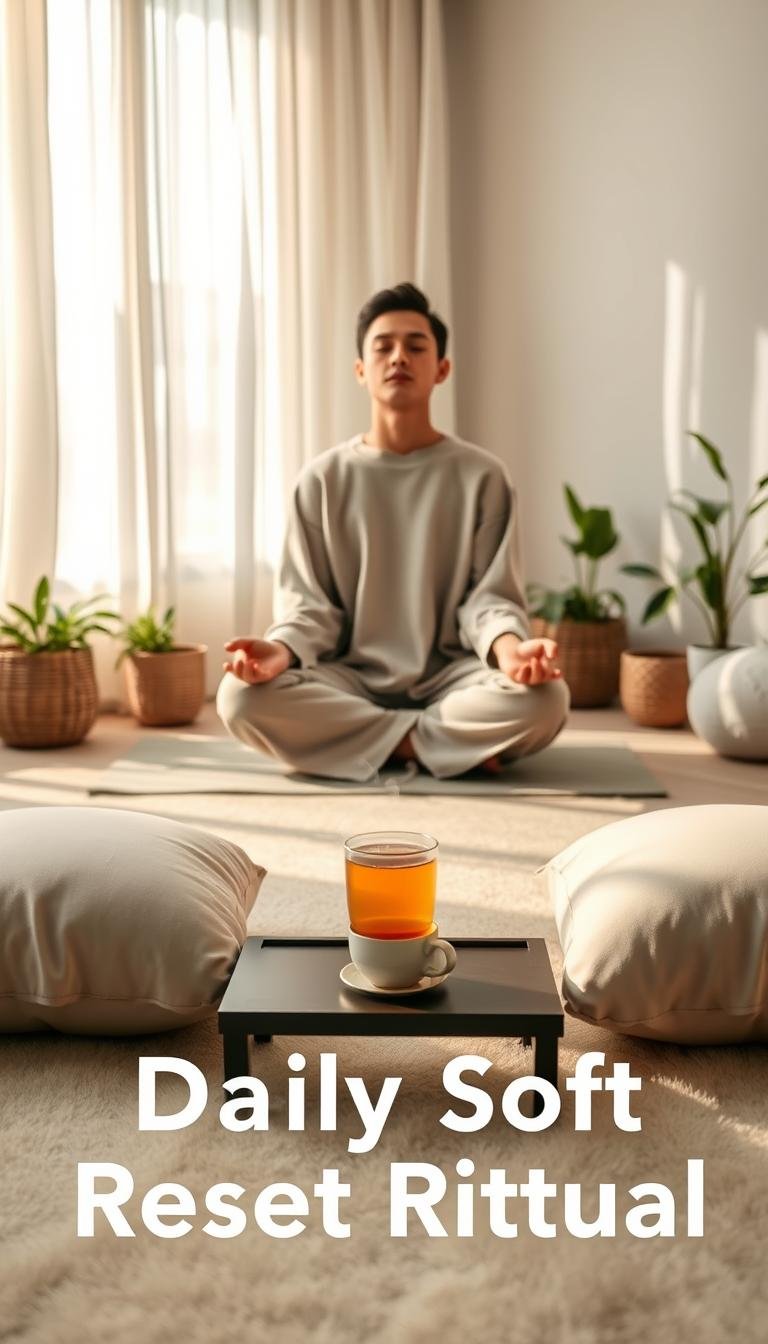
In a quiet corner, warm light pools around a cup held between both hands. This small scene invites a gentle pause. It asks only for a breath and a kind glance inward.
This reset ritual guides you back to center in just a few breaths. Try three conscious inhales, a soft check-in, and thirty to ninety seconds to notice how your body feels.
Keep a short Hand It Over list or speak a micro intention. A quick journaling line or a voice memo can release a lingering thought and clear space for what matters.
These tiny steps protect your energy and bring clarity without pressure. They work anywhere, take little time, and ask for only the senses—light, touch, sound, or movement.
Return to this place when you need steady ground. A warm cup, a steady breath, and a simple moment can help you arrive in your life with calm and care.
Key Takeaways
- One short pause can shift your energy and bring clarity.
- Use three breaths, a quick check-in, and 30–90 seconds to feel present.
- Keep a Hand It Over list or a micro intention for ease.
- These practices need minimal space, time, or supplies.
- Try a gentle weekly note or newsletter-style reminder to realign.
A soft beginning: ease into the day with light, breath, and a quiet corner
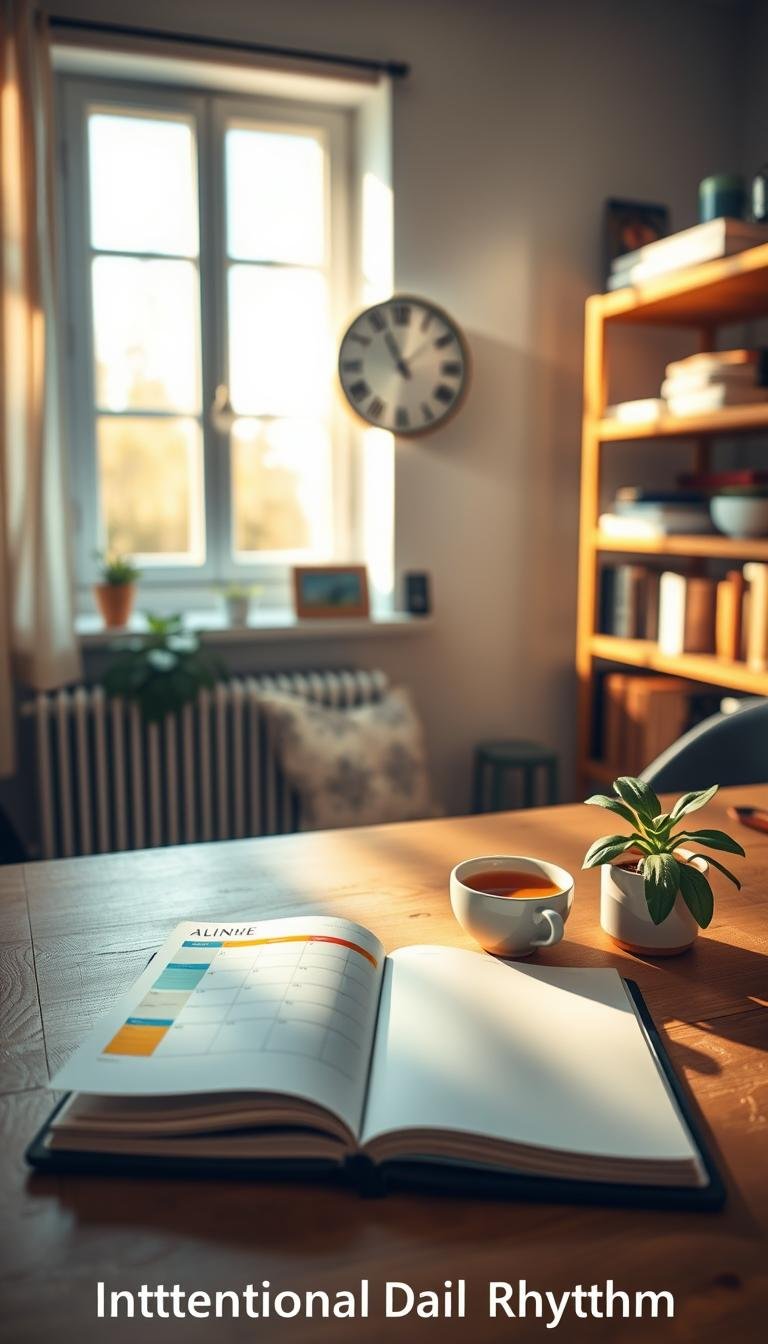
Let the morning arrive slowly: a curtain eased open, a cozy chair, and a steadying breath.
Find a small space where the light is dim and your shoulders can soften. Sit with a warm cup and notice the heat in your hands. This gentle cue helps make a simple ritual that asks only for kindness, not productivity.
Try three conscious breaths—one, two, three—and let each exhale invite a little more ease. Add a single, small movement: a neck roll or a slow shoulder circle to settle the body and offer an anchor of comfort.
Choose one soft word or intention to hold for the first quiet minutes. If your mind rushes, come back to the breath and the warmth in your hands. This calm beginning gives a gentle reset and a quiet perspective for the rest of your day.

- Keep the space minimal: a dim lamp, a lifted curtain, a familiar seat.
- Let movement follow breath, only as it feels right for your time.
Why this gentle reset matters for your heart, not your to-do list
When pressure builds, small acts of care help the heart find steady ground again. These moments are not about fixing tasks. They are about giving space when stress rises and the mind reaches for quick fixes.
A brief pause—three conscious breaths or thirty to ninety seconds of feeling—can shift the energy of your day. Magnetically You reminds us that clarity sits beneath pressure, and a tiny practice can let it surface without force.
This simple reset ritual protects your energy and attention. It asks you to tune gently to your inner landscape so you can meet life with more ease, not more pressure.

- It gives your heart room to breathe when stress spikes.
- On heavy days, a minute of presence can soften what feels tight.
- Over time, this reset ritual becomes a quiet anchor for your days.
What a reset ritual is (and isn’t): simple transitions for calm and clarity
Small sensory cues offer a gentle bridge between overwhelm and calm. A reset ritual is a short, repeatable practice that shifts you from foggy to clear or from overstimulated to steady. It is not a long checklist. It is a meaningful pause with intention.
Ritual versus habit: adding meaning, intention, and tenderness
Habits are automatic. They run with little thought. A ritual carries purpose and tenderness. It turns a brief action into a comforting part of your day.
Why tiny cues work: sound, light, touch, and movement as anchors
Your nervous system and wider system respond to familiar signals. A soft song, dimmed lamp, a hand massage, or one stretch tells the brain it’s time to shift. These cues need little willpower but give big change.

Moments to use it: from foggy mornings to post-email resets
Use this practice when the morning feels fuzzy, after an email spiral, before a meeting, or between tasks at work. Pick one cue you love and pair it with a clear back-to-work signal, like one next task on a sticky note or pressing play on a focus track.
- A reset ritual is a brief, meaningful pause that guides you with care.
- Tiny cues help your nervous system shift without resistance.
- People can adapt anchors to fit their routines and time.
Daily Soft Reset Ritual: a cozy, step-by-step guide
Begin by crafting a small, cozy scene that signals rest and ease. Let the light soften, settle your body, and wrap your hands around a warm cup.
Set the scene
Soften the light, sit in a comfortable chair, and let the warmth in your hands be the gentle cue that this is a caring moment.
Three conscious breaths
Take three slow breaths. Make each exhale softer than the last and add a quiet sigh if it feels right. One breath can invite clarity.
Choose to check in
Notice sensations in your body, the texture of your emotions, and the energy present. Witness without judgment.
Thirty to ninety seconds to feel
Give yourself 30 to 90 seconds to be here. No fixing—only presence.
Micro intention and Hand It Over
Whisper a small intention. Write a Hand It Over list into a phone note: name what you release and trust the timing.
Thought release and re-entry
Clear one slow journal page or record a brief voice memo to free thoughts. Choose one soft cue to return to your next task and come back to work gently.

Sensory anchors that soothe: gentle tools you can use anywhere
Let a single sensory cue guide you back to calm, no matter where you are. These small anchors are portable, low-effort, and effective. Pick one and use it often to make the shift easier each time.
Sound
Choose one calming track—rain, ocean, or a soft piano piece. Let it play for a minute while you breathe. A familiar sound helps the nervous system slow and invites focus before you return to work.
Light
Adjust the light around you: dim a lamp, open a curtain, or soften the glow from a screen. Changing light creates a cozy space that signals the brain it’s time to settle.
Touch and movement
Use a small touch cue: apply a little hand cream or a hint of peppermint oil on your wrists. Follow with a gentle neck roll or slow shoulder stretch. This movement meets the body where it is and helps you re-enter tasks with more ease.

“Even a tiny sensory shift can steady the system and bring a clearer, softer focus.”
- Keep anchors simple so they work anywhere, at home or at work.
- One cue is enough—consistency matters more than variety.
- Portability helps make the practice natural and repeatable.
Optional mini-rituals for different moments of the day
When your attention frays, a short, kind pause can bring your senses back into balance. Below are gentle options you can pick from, each meant to be soothing and doable. They are invitations, not rules.
The warm cup pause: tea, breath, and a fresh perspective
Brew tea, wrap your hands around the mug, and take a few slow breaths. Let the warmth steady you and open a small space for new perspective.
Digital sunset: phone faces down, inbox closed, soft lamp on
Turn your phone face down and close the email window. Dim a lamp and let work rest while you rest too.
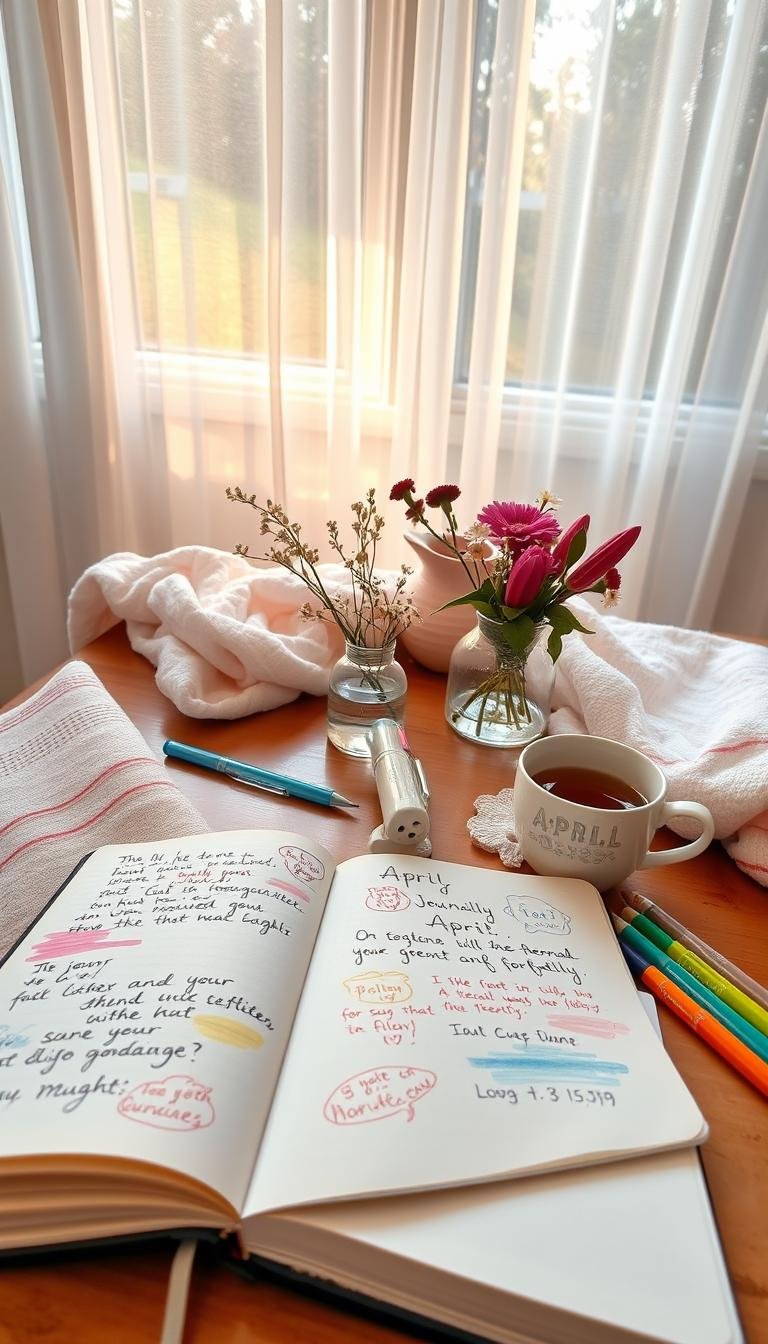
Slow journaling: a 10-minute reset to meet your thoughts with care
Set a timer for ten minutes. Write at a calm pace to clear a little room inside. No edits—just gentle noticing.
The two-minute anchor: six slow breaths and one clear intention
Play a soft ambient track, take six slow breaths, and name one intention for the next task. This short practice helps the nervous system shift without strain.

| Mini-ritual | Time | Cue | Best moment |
|---|---|---|---|
| Warm Cup Pause | 3–5 minutes | Heat in hands | Morning or mid-afternoon |
| Digital Sunset | 5–10 minutes | Phone down, lamp on | Evening wind-down |
| Two-Minute Anchor | 1–2 minutes | Soft track, six breaths | Between tasks at work |
| Transition Cleanse | 2–5 minutes | One tab, one note | Before starting focused time |
“Each option is a small, repeatable cue that teaches your system to return to calm over time.”
- Use these mini practices when shifting tasks or when attention feels scattered.
- Keep them gentle so your nervous system learns the cue without extra effort.
Designing a reset that fits your real life
A small, practical design lets a brief pause actually fit into your busy day. Begin with a short intro plan that honors how your energy moves across a week. Keep expectations low and kindness high.
Anywhere, minimal, quick: three qualities that keep it doable
Anywhere: pick a cue that travels with you so the practice works in any place.
Minimal: fewer steps, no special tools. A single breath, a short stretch, or a soft sound often suffices.
Quick: design for the time you actually have—30 seconds to two minutes—so you will return to it again and again.

Find your “slump zones”: when energy dips or attention scatters
Notice moments after meetings, after lunch, or when switching from admin to creative work. Map these pockets gently over a week to see patterns.
Choose one familiar anchor—a song, a lamp, a small stretch—and repeat it so the system recognizes the signal. This simple routine helps people keep steadier attention at work and in life.
What to release: pressure, perfection, and the rush to “fix”
Let go of the need to solve everything now. Start by naming one small thing you can finish slowly. This soft choice reduces stress and gives you a clearer way forward.
Let go of rushing: choose one small thing, done slowly
Pick one task. Do it with care. Move deliberately so your hands, breath, and mind stay aligned.
Ease the pressure: protect your energy and attention
Protecting your focus helps you keep steadier days at work and in life. Fewer inputs and gentler transitions matter more than pushing for more.

- Release the rush to fix everything. Choose one small thing and do it slowly.
- Let perfection go; a short ritual with kindness eases stress and supports your day.
- Guard your attention; fewer distractions keep energy steadier while you work.
- Trust that a small reset can change your mood more than a large push.
- Redefine success as feeling safe and steady, not packing more into each day.
“Soft pauses often open more space than pushing harder.”
Gentle reflection prompts to keep you centered
Sit for a moment and listen inward, letting a small question open like a quiet door. These prompts pair well with a brief feeling window of 30–90 seconds and a short Hand It Over list to ease the mind.

What does my body need in this moment to feel safe and soft?
Ask softly and wait a few seconds. Let the answer be simple: light, warmth, water, or quiet.
What can I hand over right now so my mind can rest?
Wonder gently and write one or two things. Feel your shoulders drop as you release them.
- Let a micro intention arise from your answers—one tender thing to carry into the rest of your day.
- Keep journaling minimal—just a few lines to invite clarity without effort.
- Return to these prompts whenever you need a soft center; they welcome you back without judgment.
“Even a single question and a few calm breaths can guide a quick reset ritual and make life feel kinder.”
Conclusion
A brief moment of presence can turn a crowded hour into a calm one. Take one soft breath and notice how a tiny shift changes your experience. This small time will ask little and give more clarity.
Let this reset ritual be a gentle part of your week. Use a single cue to bring you back to focus, then choose one next step and return to work with quiet care. Trust that your nervous system and system of cues—light, sound, touch, or a bit of movement—learn to steady you over days and routines.
Success here is softness: meeting life with presence instead of pressure. If you want, imagine a warm newsletter nudge each week. Thank yourself for making this ritual a kind part of your experience—you can come back, slowly, whenever you need to.
FAQ
What is a soft reset and how long does it take?
A soft reset is a brief, gentle routine that clears mental clutter and calms your nervous system. It typically lasts 30 to 90 seconds, though some mini versions take just 20–30 seconds. The goal is quick clarity and renewed focus rather than a long practice.
When should I use this reset during my day?
Use it at natural transitions: after a stressful email, between meetings, during a mid-afternoon slump, or first thing in the morning. It works well before starting a new task, after a phone call, or anytime your energy or attention feels scattered.
What does a simple reset include?
A basic sequence softens light, centers breath, and checks in with the body and emotions. Try three slow, conscious breaths, a micro intention, and a quick “hand it over” list — jot one thing to release and trust the timing to reduce pressure.
Do I need special tools or space to do this?
No. The ritual is designed to be minimal and portable. A warm cup, a lamp you can dim, headphones for a calming sound, hand cream, or a pen and small notebook are helpful but optional. The focus is on intention and gentle movement.
How does this practice affect stress and energy?
Short resets calm the nervous system, lower reactivity, and restore mental clarity. By interrupting chronic busyness with mindful breaths and a brief body check, you reduce cortisol spikes and regain steadier energy for work and life.
Can this work for mornings and evenings?
Yes. In the morning, it eases you into the day with light, breath, and a quiet corner. In the evening, a digital sunset—phone face down, inbox closed, and a soft lamp—helps transition toward rest and a calmer nervous system.
What is a “Hand It Over” list?
It’s a short note where you write tasks, worries, or expectations you can release for now. The act of listing shifts attention away from rumination and creates space to trust timing and priorities without trying to fix everything immediately.
Are there sensory anchors that help the reset feel more effective?
Yes. Sound (rain, ocean, or one calming song), soft light (dim a lamp or open a curtain), and touch or movement (hand cream, a neck roll, or a slow stretch) act as gentle anchors to return your attention to the present.
What if I only have two minutes?
Use a two-minute anchor: six slow breaths and one clear intention. That short pause reduces reactivity and helps you re-enter tasks with focus. Even a voice memo or a single slow journal line can clear space quickly.
How do I design a reset that fits my real life?
Keep it anywhere, minimal, and quick. Pick simple cues you can repeat—light, scent, or a single song. Notice your “slump zones” (afternoon, post-meeting) and slot the ritual into those moments to make it sustainable.
Will this replace therapy or medical advice for anxiety?
No. These practices support short-term calm and better attention but aren’t a substitute for professional treatment. If you have chronic anxiety or cardiovascular concerns, consult a clinician for tailored care.
Can I turn this into a longer practice when I have time?
Absolutely. Expand the reset with slow journaling for 10 minutes, a longer stretch, or a short guided meditation. The structure scales up: keep the same cues—breath, body check, and intention—to maintain continuity.
How often should I practice to see benefits?
Frequent short pauses throughout the day are most effective. Aim for several resets—morning, mid-day, and post-work—or whenever stress or distraction shows up. Consistency builds clearer thinking and calmer responses over time.