
Mindful Daily Habits for More Ease in 2026
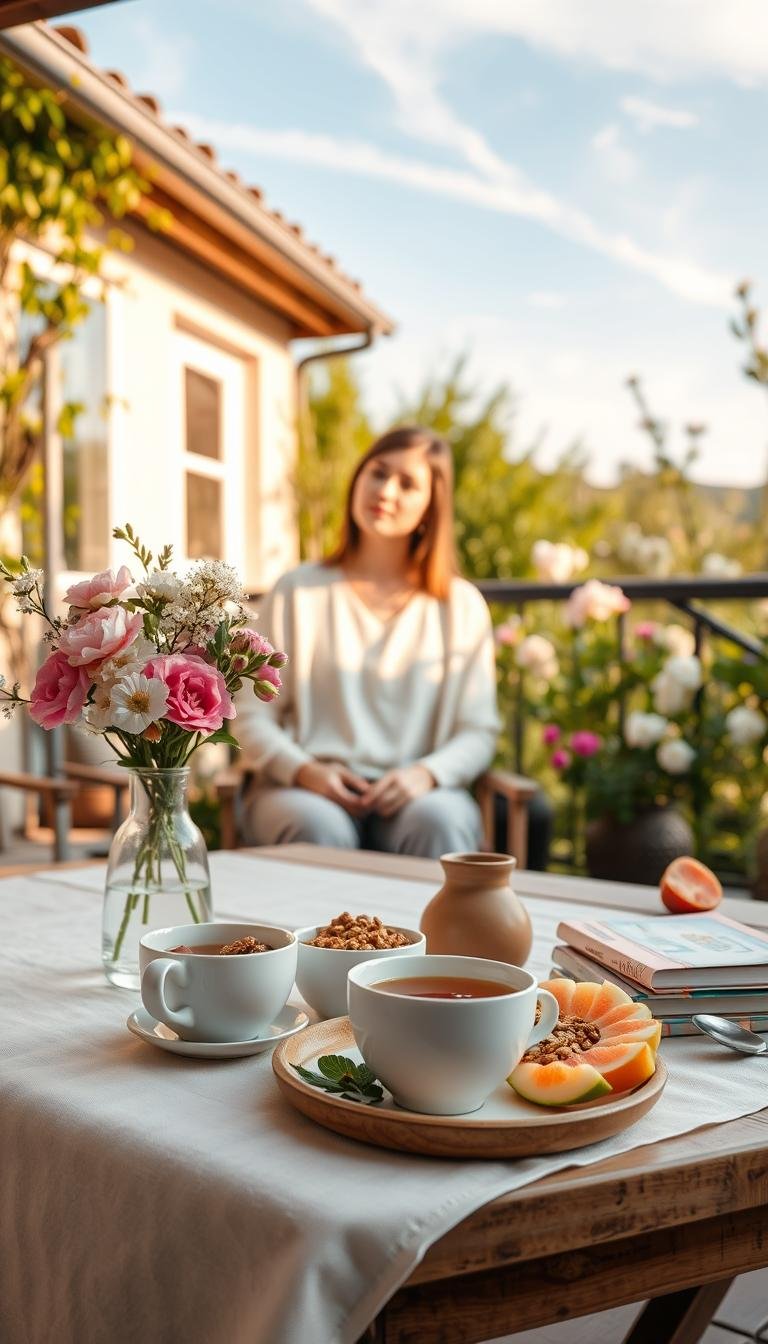
Picture a quiet morning wrapped in warm light, hands around a steaming cup and a slow, steady breath that asks nothing of you but presence. This small scene sets a tone of tenderness instead of hurry.
These simple shifts offer calm because they favor steady practice over grand fixes. Gentle routines—short meditation, a moment of gratitude, going to bed at a similar time—help memory, emotional balance, and mental clarity over the years.
Think of this guide as a soft companion for 2026. You’ll find tiny, doable steps that fit into the time you already have and respect your energy.
Try small emotional rituals: a slow sip, a two-minute check-in, or a soft lamp that signals pause. These cues help attention settle and let the world wait while you arrive.
We’ll keep things steady and kind, honoring the rhythms that help you feel grounded and more present across your days.
Key Takeaways
- Small, consistent practices build lasting calm.
- Short rituals support memory and emotional balance.
- Choose gentle cues that fit your natural rhythm.
- Consistency matters more than intensity for long-term clarity.
- Routines should feel supportive, not demanding.
A soft beginning: a quiet space to arrive in the day
Start your morning in a small pool of light and silence, letting ease be the first thing you meet. Sit where the light feels gentle. Hold a warm cup and give yourself a few slow moments before the world nudges you into motion.

Imagine a slow morning: soft light, warm cup, unhurried breath
Sit comfortably, let your spine feel tall and relaxed, and take three nourishing breaths. Make the exhale a touch longer than the inhale to steady attention and calm the way you move into tasks.
Gently scan from head to toe. Name one simple sense cue—the hush of the room, warmth in your palms, or the faint aroma of tea—to help you feel present.
Treat this as a short mindfulness exercise. Close your eyes for a few minutes, notice thoughts as they pass, and return to the rise and fall of breath without judgment.
Set a soft intention—a tiny phrase like “move kindly”—and let it appear when you need it. Resting your hands on your belly can help you feel each breath land in your body and remind you that you are allowed to arrive slowly.
“Give yourself a few minutes of unhurried attention; let this be a gentle threshold between sleep and action.”
| Practice | Length | Focus | Why it helps |
|---|---|---|---|
| Three deep breaths | 1–2 minutes | Breathing | Quickly centers attention and soothes the nervous system |
| Sensory scan | 2–3 minutes | Sense | Brings awareness into the body and makes you feel present |
| Short meditation | 3–5 minutes | Thoughts & attention | Builds calm and creates space before you engage with the day |
Why gentle routines matter for the heart
When we add tiny pauses to our days, our inner life can shift from reflex to kindness. Most of our actions run on autopilot—fast neural shortcuts do the work so we can move through a busy life.

Moving from autopilot to intention with compassionate attention
Simple moments of intention—one short breath, a quiet aim for the day—help the slower parts of the brain re-engage. This shift makes space between impulse and response.
Why this matters emotionally: small anchors lower stress and give your mind a soft place to land. Gratitude and tiny acts of purpose, like tending plants or checking in with a friend, strengthen emotional regulation.
- Gentle routines invite the mind back from rush to intention with compassion.
- A small purpose each morning becomes a quiet anchor when stress rises.
- These rituals support kinder words and more open listening in relationships.
- Presence and gratitude offer real mental clarity without pressure.
“Over time, these small practices feel less like chores and more like caring for the heart.”
Let each routine be a kind promise—a way to manage stress with tenderness and to bring purpose into the small acts of living.
Mindful Daily Habits to ground your day
A few tiny pauses at the start of your day create a steady, comforting rhythm. These small moves are not tasks but gentle invitations that help attention settle and reduce stress.

Mindful wakeup: set a kind intention before the world rushes in
Sit tall for one minute. Take a slow breath and name a simple purpose—one word you can return to when life speeds up.
Keep that note nearby—a bedside sticky, a lock-screen message, or a small card by your mug—so attention can find its way back without effort.
Pause triggers: shift from autopilot to presence
About 95% of behavior runs on autopilot. Make tiny “if this, then breathe” cues to interrupt that loop.
- If you touch a doorknob, take one long exhale.
- When the phone rings, let your shoulders soften before you answer.
- Refresh cues weekly with a new phrase or a playful note.
Place a cushion, journal, or mat where you’ll see it—so the space itself notifies you to return to a calm way of being.
Mindful driving: breathing space between you and the road
Before the key turns, take one steady breath and ask, What do I need—ease, patience, safety? Scan your jaw and shoulders and soften small tight spots.
“May I be safe; may we all be safe.”
When traffic thickens, repeat your phrase and take another breath. These tiny pauses open the space between stimulus and response and help you steer with more care.
| Moment | Action | Why it helps |
|---|---|---|
| Wakeup | Sit, one breath, name intention | Gives a simple anchor for attention through the day |
| Micro-pause | “If this, then breathe” cues | Interrupts autopilot and refreshes awareness |
| Driving | Pre-drive breath + tension scan | Reduces immediate stress and increases safe focus |
Slow rituals: a cozy, step-by-step flow for presence
Slow rituals create a soft map for your hours, a gentle path from one moment to the next.
Set the tone: sit for one or two minutes. Soften your shoulders and breathe slowly. Name one gentle purpose to guide your time ahead.

Set the tone: sit, breathe, and choose a gentle purpose
Start with a short meditation or three long breaths. Let the exhale be a touch longer to calm and steady attention.
Anchor your hours: “if this, then breath” micro-reminders
Create simple behavior designs: if you open your laptop, take one slow inhale and a longer exhale. If the office door closes, pause and breathe.
Midday reset: five quiet minutes to notice bodily sensations
Close your eyes for five minutes. Scan your body and notice small signals—soft jaw, open chest, warm hands. Return attention gently when thoughts drift.
Evening unwind: soften the lights and let attention settle
Dim lamps, light a candle if you like, and place a hand on your heart. End with one short mindfulness exercise: breathe slowly and whisper thanks for the day.
- Step 1: Sit, breathe, name a purpose (1–2 minutes).
- Step 2: Pair common moments with breath to make transitions easier.
- Step 3: Midday five-minute scan to re-center the body and senses.
- Step 4: Gentle evening cues to cue rest and calm.
Journaling prompts:
- “What felt nourishing today, even in a small way?”
- “Where did I notice my body softening, and how can I return there tomorrow?”
“Keep routines light; practice helps most when it feels kind and welcoming.”
| Ritual | Length | Why it helps |
|---|---|---|
| Set the tone | 1–2 minutes | Gives a calm anchor to start your time with purpose |
| Anchor breaths | Moments throughout the day | Interrupts autopilot and refreshes attention |
| Midday reset | 5 minutes | Notices bodily sensations and eases tension |
| Evening unwind | 5–10 minutes | Signals rest and helps you feel present before sleep |
Mindful eating: nourish your body with attention and ease
When meals become pauses, they can gently restore attention and calm to your day. Take a quiet moment before you sit. This small pause is a way to arrive in your body and welcome the act of eating.

Breathe before bites: arrive at the table
Before the first forkful, try 8–10 deep belly breaths. Let each inhale fill the belly, and let each exhale soften the shoulders. This signals a shift from rush to rest.
Listen to hunger cues and savor simple flavors
Check your hunger on a 1–10 scale. Notice emptiness, warmth, or gentle growls as honest data from your body. Move slowly. Place your utensil down between bites and name a texture or aroma.
- Slow the pace: notice temperature, texture, and scent with gentle attention.
- Trust sensations: let subtle signals guide how much you eat.
Choose what feels good, skip what doesn’t
If the first few tastes don’t delight you, it’s okay to change the plate. Favor food that sits well in your body and skip what doesn’t, without judgment.
“Treat meals as small practices of care, not rules to follow.”
Finish by placing a hand on your belly and offering a quiet thanks for the nourishment and time you gave yourself.
Gentle movement: match rhythm and breath to calm the mind
Let light activity be a kind way to bring attention into the body and out of the head. Treat movement as a soft practice, not a performance. A small, steady approach supports mood and reduces stress.
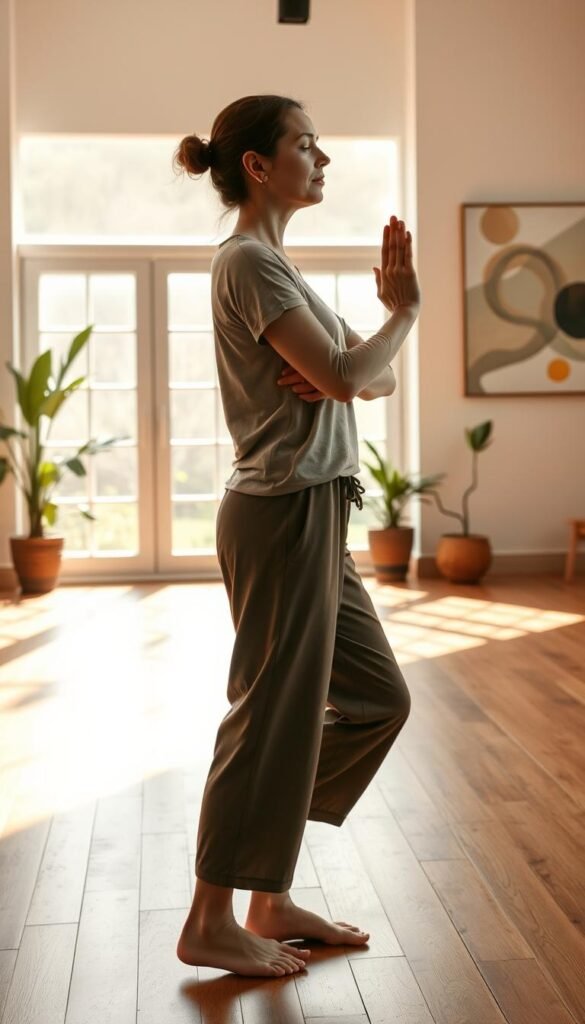
Begin with purpose: light stretching, walking, or gardening
Start with a tender purpose—feel the breeze, notice soil on your hands, or reach to wake a sleepy muscle.
Warm up for about five minutes with slow stretches or an easy walk to prepare joints and breath.
Find your pace: coordinate breath with movement
Settle into a rhythm for 10–15 minutes. Match inhale to reaching and exhale to soft release.
This rhythm breath helps heart rate and brain activity find a gentle alignment.
Keep physical activity friendly and unhurried; consistency beats intensity.
Cool down softly: notice sensations, let stress melt
Finish with a soft cool down. Let shoulders drop and scan the body for warmth or ease.
Pause in stillness for a moment and name one feeling you notice.
“Small movement woven into life steadies attention and cultivates calm.”
- Choose light activities like walking, slow stretching, or gardening to stay kind to the body.
- If you wish, add a tiny challenge—one hill or an extra minute—while honoring breath.
- Carry this steadying way back into the rest of your life.
Mini-rituals to sprinkle through your day
Tiny rituals scattered through the hours offer gentle anchors when the day feels busy. These small acts make transitions kinder and help reduce stress without adding work.

Warm cup moment: cradle a mug, close your eyes for three slow breaths, and let warmth invite attention. This brief pause can reset your attention before a task.
Digital sunset: soften notifications in Settings > Notifications and dim screens as evening nears. Unfollow accounts that stir unease and follow gentle topics like mindfulness tips or journaling prompts to shape a calmer world.
Ten-minute reset: pick one surface or one drawer and tidy slowly. Clearing a small space often brightens mental clarity.
Slow journaling: write two or three lines about what softened your heart today. Simple words help you release and re-center.
- A one-minute meditation or a short stretch can bridge busy activities to rest.
- Try one mindful bite when you snack—notice aroma and texture.
- Take a brief walk across the room or porch for gentle movement.
“Let each mini-ritual be a quiet kindness to yourself.”
Keep these practices light. Practice helps when it is woven into time you already have, so they feel natural and welcome in life.
What to release: letting go with tenderness
Easing the rush opens up quiet moments that help your body and mind settle. This section offers gentle ways to release pressure and welcome more ease into your days.

Release rushing and the pressure to be perfect
Let yourself slow down. When pressure gathers in your head or chest, take breath and exhale a little longer. Soften your jaw and shoulders to signal safety to the nervous system.
Let go of all-or-nothing thinking; choose small, steady steps
Perfection often crowds out presence. If a plan feels extreme, pick one tiny action instead. Small, steady care adds up and helps you manage stress without forcing change.
- Drop the rush: your days need not be flawless to be meaningful.
- When stress rises: scan your body, place a hand on your chest, and whisper a kind phrase.
- Missed a practice? Begin again with tenderness—today is a fresh page.
- Meditation tip: keep it brief and welcoming rather than rigid.
“Letting go is not giving up; it is choosing space for what truly matters.”
Conclusion
Carry a soft intention forward: tiny actions can steady your mind and brighten your day.
Take one calm breath now. Choose a single small practice to bring into your hours — a warm-cup pause, a short walk, or two minutes of meditation. Let purpose be simple and steady.
When stress or busy thoughts crowd the world, return to the quiet methods that help attention settle. Trust that consistency over intensity builds real mental clarity. Keep movement gentle, meals nourishing, and evenings cozy.
Each day offers a new invitation to practice mindfulness. You are shaping a kinder way of living. Go softly; you are doing beautifully.
FAQ
What are simple ways to begin the day with calm?
Start with a quiet space and a few slow breaths before reaching for your phone. Sit with soft light, hold a warm cup, and set a gentle intention for the day. Even two minutes of focused breathing helps shift you from autopilot into purposeful attention.
How can I move from automatic routines to more intentional living?
Use tiny triggers to change habits. For example, when you hear your morning alarm, pause for one breath before rising. Attach a brief breathing cue to routine tasks—this anchors attention and brings compassionate presence into ordinary moments.
What is a practical midday reset I can actually stick to?
Take five quiet minutes to notice body sensations and breathe slowly. Close your eyes if you can, breathe three full cycles, and scan from head to toe. This short practice reduces stress and returns clarity to the rest of your day.
How do I make eating more nourishing without strict rules?
Breathe before you take a bite, check in with hunger and fullness cues, and savor simple flavors. Choose foods that feel good and skip what doesn’t. Eating with attention helps digestion and reduces rushed, distracted choices.
Can I combine movement with breathing if I’m short on time?
Yes. Begin with a brief purposeful stretch or a short walk, matching breath to movement. Gardening, walking, or light stretching coordinated with steady breathing calms the mind and refreshes the body in minutes.
How do small rituals help when life feels busy?
Micro-rituals like wrapping your hands around a warm mug for three slow breaths, dimming screens at evening, tidying a small area for ten minutes, or jotting a few lines in a journal create rhythm and reduce mental clutter. They’re easy to repeat and rebuild a sense of ease.
What should I let go of to support steady progress?
Release rushing and the pressure to be perfect. Move away from all-or-nothing thinking and welcome small, steady steps instead. Gentle, consistent practices grow stronger results than occasional extremes.
How do I stay present while driving or commuting?
Create breathing pauses before you start and during stops. Notice your grip on the wheel, soften your shoulders, and take a few full inhales and exhales at red lights or before merging. These brief pauses create space between you and the road.
How long before I notice benefits from these practices?
Many people feel calmer after the first few sessions, especially with breath-based cues. Noticeable shifts in stress, sleep, and focus often appear within a few weeks of regular short practices. Consistency matters more than duration.
How can I remind myself to practice without feeling pressured?
Use gentle nudges like phone reminders set to a pleasant sound, a physical object (a stone or bracelet), or tying a breath to a daily habit such as making coffee. Keep practices short and kind so they invite return rather than resistance.