
Heart-Opening Rituals
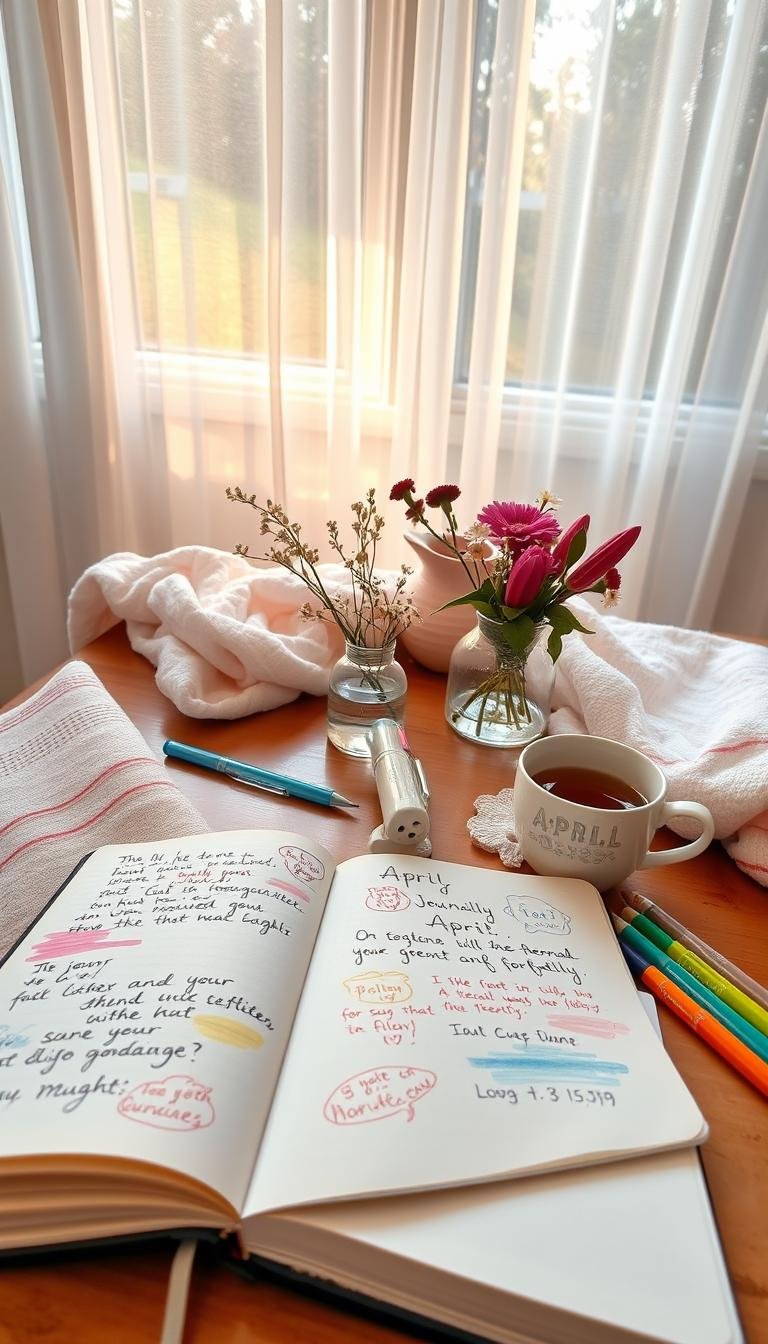
In the quiet of a soft evening, warm light gathers at the edge of the room. A cup rests between your palms, and the space feels ready to slow. This gentle scene makes it easier for the heart to soften without pressure.
Try placing your hands over your chest, then breathe in for four seconds and out for four seconds. Ask, “Heart, how are you?” and listen with kind curiosity. These small acts bring presence and a calm connection to your feelings.
Simple steps—like journaling a few lines on what makes your heart expand— offer clear entry points. Notice how one brief pause can ripple warmth through the rest of the day.
There is no perfect way. Treat this as a personal, caring way to meet yourself. Let tenderness guide the next small practice on your journey toward more love and steady presence in life.
Key Takeaways
- Use small, gentle actions (hands on chest, slow breaths) to invite calm.
- Create a cozy space with soft light to close your day with care.
- Ask simple questions like “Heart, how are you?” to deepen connection.
- Try short journaling prompts to notice feelings and growth.
- There is no right way—gentleness and curiosity lead the journey.
A soft beginning: a quiet space, a warm cup, and gentle light
Settle into a tidy space where steam from a warm cup can mark a gentle pause. Choose a small corner you already love—an uncluttered bedside table or a living room nook—so your mind and body can unclench and soften.

Dim a lamp or light a candle to create soft light that balances visibility and shadow. Play slow piano or ambient strings at low volume so the music cradles attention without pulling you away.
- Warm water to 170–190°F for tea or cacao and let steam be your cue to arrive in the moment.
- Keep surfaces clear so the space feels quieter and more open to tenderness.
- Add a cushion or soft blanket for a supported posture that invites ease.
Place one hand over your chest, take a few long breaths, and notice the rhythm of your heart. This small, unhurried preparation gives you time and gentle balance. There is no perfect way—these tiny touches simply welcome steady presence.
Why Heart-Opening Rituals matter: tending to feelings with care
A gentle check-in gives the heart room to be seen. It invites calm and helps feelings surface without judgment.

Emotional safety: letting your heart feel at its own pace
Place a palm over your chest, breathe in for four seconds and out for four seconds, and softly ask, “Heart, how are you?” This small act builds simple awareness and steady connection.
Compassion lets the mind loosen its hold on stress and anxiety. Healing here means patient listening, not fixing or forcing an outcome.
- Honor the heart’s pace so feelings can arise and pass without pressure.
- Short journaling prompts—like “Which relationships nourish you?”—help name support.
- Even tiny moments of self-connection can brighten life and ease the sense of carrying everything alone.
There is no single right way. Choose the way that feels humane and steady for this moment, and notice how relating kindly to yourself warms relationships with other people.
Preparing your cozy ceremony: intention, light, and simple comforts
Name one simple wish for the evening and let that line hold you steady. This short phrase becomes your guide. Write it as a single sentence. For example: “May I be kind to myself tonight.”
Set a soft glow so your eyes can rest. Clear a small area so the room feels calm. Play gentle, instrumental music that supports presence without pulling focus.
Set your intention: a single sentence from the heart
Write your one-line intention and fold it into the space. Keep the line short and true. Let it sit nearby or hold it in the mind as you begin.
Create the space: soft music, dim light, and uncluttered calm
Choose a cozy seat, a blanket, and a warm cup. Place your hands over the chest and take three slow breaths to invite clarity and let the heart settle.
| Element | Simple Action | Why it helps |
|---|---|---|
| Intention | Write one line (example above) | Gives steady focus and warmth |
| Light | Dim lamp or candle | Soothes eyes and calms the mind |
| Music | Soft instrumental playlist | Supports presence without distraction |
| Time | Set a loose window (10–30 mins) | Creates spaciousness, not pressure |
Keep it simple: a tidy surface, warm cup, and these small touches are enough. The aim is gentle steadiness, not perfection.

Heart-Opening Rituals: a gentle, step-by-step guide
Find a comfortable seat, rest your palms over your chest, and let the room grow still for a moment.
Arrive and breathe: Sit tall, place your hands on the heart space, and close eyes. Notice a subtle warmth in the body and the steady beat beneath the palms.
Bridge of awareness: Breathe in for 4 seconds, breathe out for 4 seconds. Continue this pattern for 3–5 minutes, keeping attention soft on the breath and mind.
Quiet reflection: Invite a gentle question like “What would feel supportive tonight?” and wait without pushing. Let any guidance come slowly; if thoughts crowd in, return to the breath and the feeling of your hands.
Integration: Open your eyes when you are ready, take a slow sip of something warm, and write one or two brief lines in a journal. Capture one clear insight or a kind promise to yourself—short, honest, and steady.

Close: Place a hand over the chest again and take one steadying breath to seal the practice. Notice how small, regular acts of care change the tone of the evening and restore simple balance in the heart.
Optional mini-rituals for everyday tenderness
Little pauses through the day help the mind and heart come home. Below are four simple practices you can try on busy mornings or at bedtime. Each one is short, secular, and easy to repeat.

Warm cup ritual: sip with gratitude and presence
Cradle your mug, take three slow breaths, then sip. Let the steam be a cue to arrive. Say one quiet word of gratitude before you drink.
Digital sunset: soften screens before evening light
Turn down brightness and silence notifications an hour before bed. Place devices out of reach so the mind can ease away from stress and screens.
Slow journaling: three gentle lines to meet your day
Write one feeling you notice, one thing you are grateful for, and one soft intention for the morning. Keep it short and kind.
Ten-minute reset: stretch, breathe, and come back to balance
Stand, stretch slowly, breathe like a tide, and drink a glass of water. This short practice restores calm and steadies the body in real time.
“Small, steady habits return you to presence more than grand plans ever will.”
| Mini-practice | Time | Key benefit |
|---|---|---|
| Warm cup | 2–5 minutes | Gratitude and mindful presence |
| Digital sunset | 30–60 minutes | Reduced stress and clearer sleep |
| Slow journaling | 3 minutes | Clarity, gratitude, intention |
| Ten-minute reset | 10 minutes | Balance for body and mind |
Choose one practice that feels kind and repeat it at the same time each day. The aim is a softer heart and steadier presence, not a longer checklist.
Journaling prompts to open your heart with kindness
Journaling can be a gentle doorway to honest feeling.

Prompt ideas
Write two or three short lines—this keeps the practice light and kind. Date the entry so patterns can appear over time without pressure.
What feels tender today?
Where can I soften?
- Try: “What makes my heart expand with joy?” — a simple way to name love and small pleasures.
- Ask: “Which relationships nourish my heart?” to find caring sources and gentle boundaries.
- Note: “What am I deeply grateful for?” for quick clarity and steady insights.
Keep each response short. Let guidance arrive slowly through the day and trust the heart’s simple words. This practice is a kind conversation you can return to when love feels quiet or unsure.
What to release: rushing, pressure, and perfection
Slow down enough to notice one small act you can do tonight, and let that be enough. This simple choice invites permission and quiets the urge to fix everything at once.

Let your pace be human: choose a single, loving act instead of a long list. Name it aloud or write it down. Repeat that act for several evenings to build a gentle rhythm.
Let your pace be human: small, loving acts over big expectations
Trade timelines for tenderness. When stress or anxiety rises, pause. Try four seconds in, four seconds out to steady attention. This breath pattern helps the heart feel safer and clearer.
- Invite time to unfold slowly, like a quiet evening walk.
- Swap big expectations for one small act you can repeat.
- Notice stress and choose a brief pause to restore balance.
- Honor the strength it takes to go slowly in a fast life.
“The kindest way is the most sustainable way.”
A warm cup of cacao as a heart-centered practice
Warm the water until it steams gently, then whisk pure cacao into a smooth, fragrant cup. This simple pause invites calm and a touch of comfort.

Simple preparation: hot water, pure cacao, and a mindful stir
Heat about 6 oz of water or milk to 170–180°F. Blend 0.8–1.0 oz of 100% pure cacao for 10–15 seconds until silky. Add a small spoon of honey or maple if you like.
Ritual presence: gratitude, intention, and slow sips
Before the first sip, pause and state one short intention or whisper a word of gratitude. Sip slowly, noticing warmth move through the body and a gentle shift in energy.
With respect: honoring origins and thoughtful sourcing
Ceremonial cacao often means minimal processing and single-origin beans. Honor the drink’s Mesoamerican roots by choosing ethical, well-sourced cacao that supports growers and communities.
- Keep the cup simple so the flavor stays rich and grounded.
- Try a rose variation: a few crushed petals or a light aroma for a tender note.
- See each cup as quiet companionship—a warm, loving pause in a busy day.
Shared connection: gentle practices for couples or close friends
Lean toward one another and let three slow breaths become a small, steady bridge between you. This short moment helps two people shift from doing to simply being together.

Eye-softening and hand-holding: breathe together in quiet
Invite each person to sit comfortably and soften their eyes. Hold hands and breathe in unison for three slow counts.
Soft gaze: Look gently at each other for a few relaxed breaths, then rest the gaze as needed.
Gratitude exchange: take turns naming what you appreciate
Each person names one small thing they appreciate about the other. Keep it brief and specific.
This quick exchange builds trust and helps the relationship feel cared for. Many couples follow with a shared sip of cacao or tea to mark the little ceremony.
- Phones off, soft background music, and a tidy space help create calm.
- Try a two- to five-minute version, or extend to twenty; presence matters more than length.
- Close with a warm hug or a few gentle words that honor the heart.
| Practice | How to do it | Why it helps |
|---|---|---|
| Three shared breaths | Sit close, hold hands, breathe together | Creates calm and immediate connection |
| Gratitude exchange | Each names one specific appreciation | Builds trust and positive focus in the relationship |
| Soft eye contact | Gaze gently for a few breaths, then relax | Deepens presence and nonverbal understanding |
| Shared sip ceremony | Take a quiet sip together with phones off | Marks a tender pause and simple celebration |
“Small, consistent kindnesses help love grow in everyday life.”
Conclusion
Close your eyes for a single minute, rest a hand on your chest, and let one gentle intention arrive. This small act can steady the mind and soften the body. It asks little time but offers steady energy and care.
Keep a cozy space ready so you return easily. Sit, close eyes, and breathe—then sip a warm cup if you choose. For cacao lovers, pick ethically sourced ceremonial cacao and honor its origins.
These simple rituals build connection over days and weeks. Notice feelings, gather insights, and trust gentle guidance. Healing here is kind practice, not perfection; try again tomorrow morning with patience and love.
FAQ
What is a gentle heart-opening practice and who is it for?
A gentle heart-opening practice is a simple, non-spiritual routine that helps you meet emotions with warmth and presence. It suits anyone who wants more emotional ease—people coping with daily stress, those healing from relationship strains, or anyone seeking more kindness toward themselves.
How do I start a soft morning routine with little time?
Begin with three minutes: make a warm cup, dim the light, place your hands over your chest, and take five slow breaths. Set one short intention, like “I will notice my feelings,” then go about your day with that gentle aim.
What should I say as an intention?
Keep it one clear sentence from the heart. Examples: “I welcome tenderness today,” or “I will be patient with myself.” Simple, specific intentions help steady attention without pressure.
Can music or scent help create the space?
Yes. Soft instrumental music or a mild essential oil can signal calm and support presence. Choose sounds and scents that feel soothing and don’t overwhelm — think low-volume piano or lavender from a trusted brand.
How do I practice breathing to calm the mind quickly?
Use slow, even breaths: inhale for four, hold one, exhale for five. Place hands over the heart space and feel the rise and fall. Repeat five to ten times to shift nervous energy into steadier balance.
What if emotions come up strongly during the practice?
Allow them to be present without forcing change. Name the feeling softly (for example, “I notice sadness”), keep your breath steady, and if needed, journal one or two lines to hold the insight. If intense distress continues, reach out to a trusted friend or a mental health professional.
How often should I do the short daily rituals?
Daily touchpoints of two to ten minutes work best. Even a warm-cup ritual or a ten-minute reset can keep you anchored. Consistency matters more than length—small, loving acts build resilience.
What are simple journaling prompts to open my heart?
Try gentle questions like: “What feels tender today?” “Where can I soften?” or “What small kindness can I offer myself now?” Write just three brief lines to capture clarity and compassion.
Can ceremonial cacao be part of this practice safely?
Yes, when used respectfully. Prepare with hot water and pure cacao, sip slowly with gratitude, and be mindful of source and caffeine sensitivity. Avoid if you have heart conditions or are pregnant without medical advice.
How do I make this practice work with a partner or close friend?
Share brief, low-pressure practices: hold hands, gaze softly for one minute, or exchange two things you appreciate. Keep the focus on safety and mutual consent so connection feels comforting, not intense.
What should I let go of when building these habits?
Release rushing, perfectionism, and comparisons. Aim for human-paced steps—small, consistent actions that bring warmth and clarity rather than demanding dramatic change.
How do I integrate insights from a short ceremony into daily life?
Capture one key line in a journal, repeat the intention once mid-day, and use a ten-minute reset when you notice tension. These tiny practices bridge ceremony and everyday presence.
Are there safety considerations for physical practices like cacao, touch, or breathwork?
Yes. Check health conditions before trying ceremonial foods, long breath holds, or any partner work. If you have anxiety, cardiovascular issues, or are on medication, consult your healthcare provider. Always prioritize consent and comfort.
How do I keep the practice fresh without overcomplicating it?
Rotate small variations: change a prompt, swap music, or try a different warm cup. Keep the core simple—intention, presence, and gentle observation—so the practice remains accessible and sustaining.