
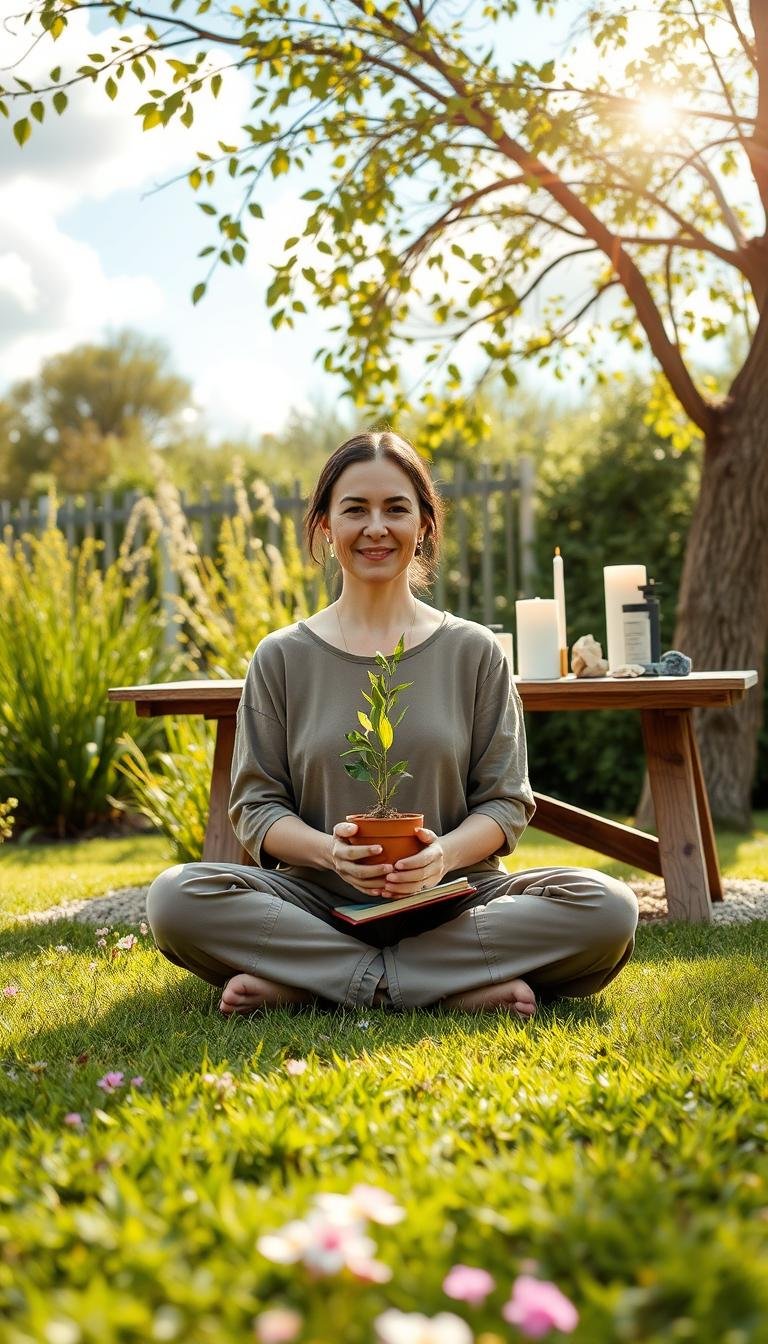
Mindful Spring Reset Ritual
Welcome to a slow morning: pale light slipping through thin curtains, a warm cup held between both hands, and a quiet house that invites a calm breath.
Let this gentle practice be a kind companion after cooler months. It favors softness over striving and asks only for small, steady steps that shift the energy of your space.
Begin with a warm sip—lemon water or herbal tea—and open a window to let fresh air in. Smooth a blanket, light a small candle, and pause for three mindful breaths. These tiny touches can bring a sense of renewal without hurry.
There is no perfect way to do this. Move at your own pace, choosing short moments that fit your morning. The goal is ease: a steady, nourishing way to welcome the season and set a gentle tone for your life.
Key Takeaways
- Start small: a warm drink and a few deep breaths ground the day.
- Use gentle acts—open a window, smooth a blanket—to shift energy.
- Favor softness over effort; brief steps create lasting calm.
- Adapt the routine to your morning; there is no single right way.
- This approach supports simple, sustainable renewal at home.
A soft beginning: welcome the light of spring
Wake slowly to pale light and the soft hush that asks nothing of you this morning. Open the curtains and let the first notes of light soften the room so your mind can ease into the day.

Crack a window and feel fresh air move through the space. Hold a warm cup with both hands, breathe in the steam, and let your senses settle before tasks arrive.
- Pause by the window and notice the slow rise of the sun.
- Light a candle, play soft music, or wrap in a light sweater as the room brightens.
- Take a quiet minute to sense your body and set a small intention for time spent with care.
Glance around and choose one small thing to tidy now. This tiny act creates a calm visual cue and offers a gentle anchor from the busy world. These simple ways make a quiet sanctuary you can return to all morning long.
Why this gentle routine matters for the heart
Small, deliberate acts at dawn can lift the heaviness that winter months sometimes hold. These quiet moments give the mind a soft place to rest and begin again.
Emotional renewal after winter’s weight
Opening a window, bringing in a plant, or clearing a small corner can shift how energy moves through your home. That shift often feels like a gentle easing in the chest.
Simple habits can lower daily stress and create a steady sense of balance. The emotional benefits are subtle: more patience, clearer thoughts, and kinder self-talk.

- A slow morning rhythm helps the energy of your day begin calmly.
- Small acts support feelings of relief after long, dim winter mornings.
- These pauses quietly nourish emotional health and steadiness.
| Habit | What it does | Expected feeling |
|---|---|---|
| Open a window | Brings fresh air and light | Lightness, clearer breath |
| Quiet tidy | Removes clutter, calms sight | Order, gentle calm |
| Plant or flowers | Adds life and texture | Warmth, renewed hope |
Spring Reset Ritual: a slow, soothing sequence to begin your day
Begin your morning with a few slow acts that ask only for gentle attention. This short practice helps you move into the day with calm and clarity.

Wake with soft light and a warm cup
Open curtains to invite the sun, sit comfortably, and hold a warm cup. Savor two or three slow sips and feel the warmth steady your breath.
Quiet movement to invite balance and ease
Spend a few minutes on gentle stretches or a calm walk around the room. Let the movement be easy and intuitive, not forced.
Fresh water and herbs to welcome renewal
Pour a glass of water with lemon or brew a simple tea with rosemary, lavender, or peppermint. These small tastes invite bright, calm energy into the space.
A few mindful breaths to settle the mind
Close your eyes for three to five slow breaths. Lengthen the exhale and notice shoulders soften. This tiny moment of meditation sets a gentle tone for the rest of your day.
- Step 1: Wake with soft light and a warm cup.
- Step 2: Move with gentle stretches for a few minutes.
- Step 3: Sip water or herbal tea to greet the morning.
- Step 4: Ring a chime or let a singing bowl tone clear the space.
- Step 5: Take mindful breaths and choose one small act as an example of care.
Optional mini-rituals for cozy moments
Tiny, comforting moments can reshape an ordinary hour into a gentle practice of care. Pick one small option and let it anchor your morning or evening without pressure.

Warm cup with seasonal herbs
Brew rosemary for clarity, lavender for calm, or peppermint for gentle renewal. Wrap both hands around the mug and breathe the steam. Set a simple intention for the day and sip slowly.
Digital sunset to soften the evening
Dim screens and lights an hour before bed to ease the mind and help sleep arrive more naturally. This small change supports rest without strict rules.
Slow journaling and a ten-minute reset
Spend a few quiet minutes writing a kind note to yourself: gratitude, hopes, or small goals. Then set a soft timer for ten minutes and tidy a corner or surface.
- Pocket practices: keep these mini acts nearby for quick pauses.
- Gentle social time: invite people you love into one small habit, like tea or a shared tidy song.
- Soft goals: choose one clear, cozy aim each day to make progress feel calm and steady.
| Mini-ritual | Duration | Benefit |
|---|---|---|
| Herb tea | 5–10 minutes | Clarity, calm, renewal |
| Digital sunset | 30–60 minutes | Improved sleep, gentler evening |
| Slow journaling | 5–10 minutes | Reflection, clear goals |
| Ten-minute tidy | 10 minutes | Visible calm, fresh time |
Refreshing your space with softness and care
Start by sensing the room: notice light, air, and the quiet spaces between objects. This gentle attention helps you choose one small action that honors your pace and the home you live in.

Open windows, let fresh air and light flow in
Briefly open doors or windows and imagine stale energy moving out. A quick cross-breeze can lift the feel of a room without effort.
Sound cleansing: chimes or singing bowls for a calm room
Use a bell, wind chimes, or a singing bowl to let sound drift into corners. The tone can shift focus and feel, a soft way to support space cleansing.
Spring touches: a small declutter, a vase of flowers, a leafy plant
Pick one surface to tidy—one shelf, one nightstand—so things feel lighter fast. Add a simple vase of flowers or a small plant to bring color and life.
Slowly wipe surfaces and notice how clearing visual noise calms the energy. Keep a basket for stray items so you can reset in minutes. Let this be an ongoing, kind practice: one breath, one bloom, one small tidy to care for your home.
What to release this season
This season invites a tender clearing: small releases that make room for ease. Choose one or two gentle shifts and let the rest wait.
Let go of rushing. Move at a calmer pace and do a little less so your life feels kinder and more sustainable.
Release perfection by embracing good-enough choices that open space for warmth and connection. Set soft goals that nourish rather than demand.

Loosen old stories about what you “should” be doing. Step away from comparisons to other people and center what steadies you in your own world.
- Name one thing that causes stress and let it go for a week.
- Make sure to keep one small habit you love and set the rest aside.
- Carry forward one gentle aim; put the rest down.
“A gentle reset anchored in care change s more than forceful overhaul.”
Quiet prompts for reflection
Begin with a gentle pause: take a soft seat, close your eyes, and breathe slowly three times. Let the breath steady the mind before you reach for a pen.
What can I set down to create more room for ease?
After three slow breaths, write for a few minutes about what would help restore balance this season. Keep the lines short and kind.

- Prompt 1: What can I set down to create more room for ease, and how might that feel in my home and heart?
- Prompt 2: What small, loving practice could I return to when the day feels busy—something I can do in just a few quiet minutes?
If it helps, light a candle and let the soft flame remind you to keep reflections warm and kind. Treat each line as an example of care, not a task to perfect.
When you finish, sit with any clear feelings for a short time. A brief moment of meditation after writing can help the insights settle and shape gentle goals for the day.
Conclusion
A warm cup, an open window, and one small tidy can quietly change how you return to yourself.
Let your days be guided by tiny, loving practices that bring fresh air into your home and calm to your mind.
Keep water nearby, add a stem of flowers, and sip herbal tea when you need a pause. These simple acts shift energy and offer gentle renewal.
Honor your body with soft movement, early wind-downs, and easy meals. Small steps build real benefits for sleep, stress, and overall health.
There is no need for grand overhauls. A kind intention and steady care are enough. May this season feel spacious and warm as you meet each day with more ease.
FAQ
What is the mindful morning routine suggested in this guide?
The routine begins with welcoming natural light, enjoying a warm cup of tea or water, and practicing gentle movement such as stretching or a short walk. Follow with fresh water infused with herbs, a few mindful breaths, and a brief check-in with your body and intentions for the day.
How long does the full practice take?
The main sequence can be as short as 10–20 minutes. You can extend parts—like journaling or gentle movement—to 30–45 minutes on days when you have more time. The plan is flexible to fit busy schedules while still offering restorative benefits.
Which herbs work best for the warm-cup ritual?
Rosemary, lavender, and peppermint are excellent choices. Rosemary supports clarity, lavender soothes the nervous system, and peppermint aids digestion and alertness. Use fresh or dried herbs and steep in hot water for several minutes.
Can people with limited mobility follow the movement suggestions?
Yes. Quiet movement can be adapted to seated stretches, gentle chair yoga, or small mobility exercises for the neck, shoulders, wrists, and ankles. The goal is ease and circulation, not intensity.
How do I use water and herbs safely if I have allergies or sensitivities?
Check labels and consult your healthcare provider if you have known allergies. Start with a single herb in small amounts and observe for reactions. If symptoms occur, stop use and seek medical advice.
What does “digital sunset” mean and how do I start one?
A digital sunset means reducing screen use an hour or more before bedtime. Replace device time with low-light activities—reading, warm herbal tea, slow journaling, or gentle stretches—to support sleep and lower evening stress.
How can I keep the practice consistent without feeling pressured?
Treat it as a flexible habit rather than a chore. Choose two core elements (light and breath, or warm cup and movement) and commit to those daily. On busier days, honor a shorter version. Small, regular steps create lasting change.
Are there food or detox suggestions to pair with this routine?
Emphasize whole, seasonal foods—leafy greens, citrus, and hydrating fruits—while reducing processed sugars and heavy meals. Gentle detox practices include staying hydrated, adding fiber-rich foods, and prioritizing sleep. Avoid extreme cleanses without medical advice.
How can I refresh my space quickly for a calmer feel?
Open windows for fresh air, clear one surface or a single drawer, place a small vase of flowers or a leafy plant, and add soft lighting. Even ten minutes of tidying and letting in daylight can shift the room’s energy.
What should I consider releasing emotionally this season?
Consider letting go of obligations that drain you, perfectionist expectations, or repeated negative self-talk. Use journaling prompts to identify one habit or thought pattern to set down, then create a small action to replace it with something supportive.
How do I use the ten-minute reset effectively?
Pick one small, concrete task—tidy a corner, wipe surfaces, or rearrange a shelf. Pair it with mindful breathing and a timer. The goal is a visible, quick change that boosts clarity and reduces stress.
Can children or family members join these practices?
Absolutely. Adapt activities for age and interest: a short family walk, shared warm herbal drink, or a group breathing exercise. Keep prompts simple and fun to encourage connection and calm.
What are gentle journaling prompts to try?
Try questions like “What gives me energy today?”, “What can I set down to create more room?”, or “One small kindness I can offer myself this week.” Write briefly—just a few lines—to keep it manageable.
How does sunlight and movement improve mood and energy?
Natural light helps regulate circadian rhythm and boosts vitamin D, while gentle movement increases circulation and releases endorphins. Together they lift mood, sharpen focus, and support better sleep.
Are singing bowls or chimes necessary for sound cleansing?
No. While singing bowls and chimes can be calming, you can use a small bell, soft music, or simply sit in quiet. The intention to clear space matters more than the tool you choose.