Slow Living for Busy Women
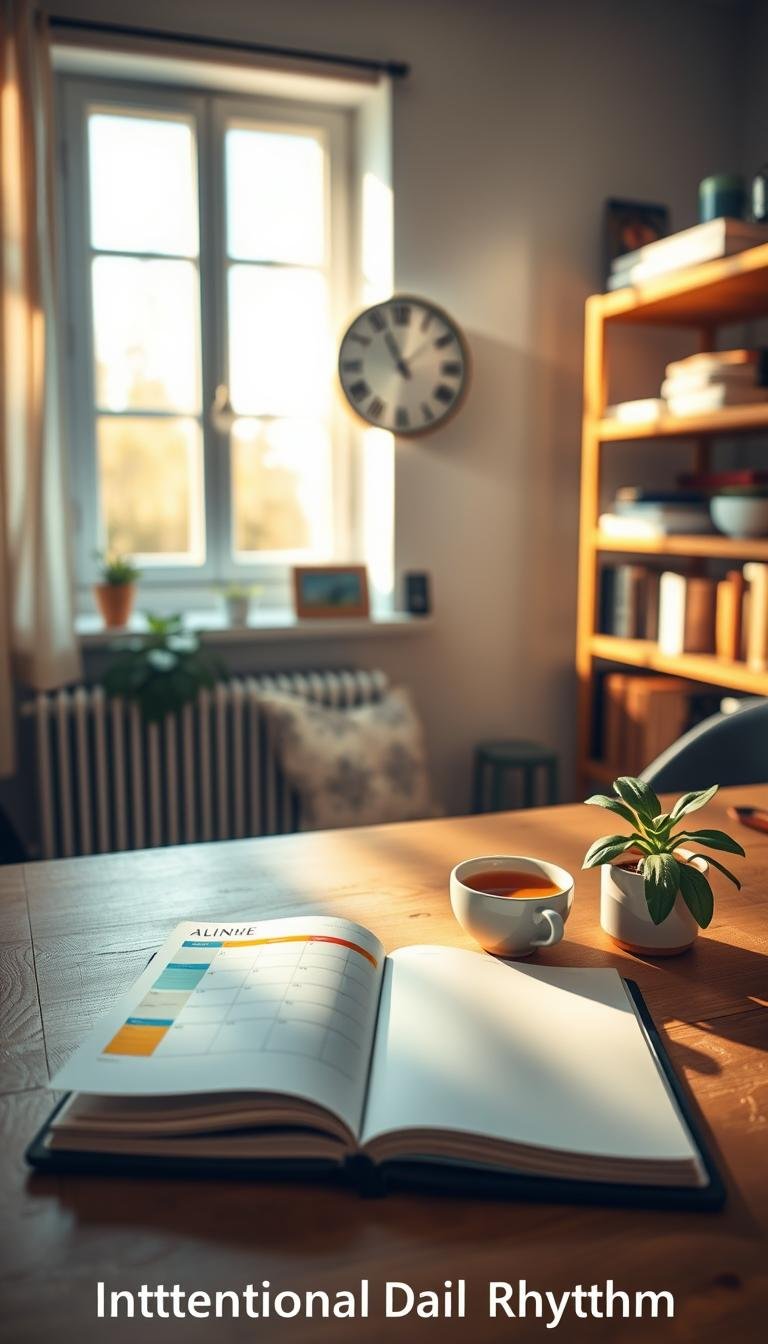
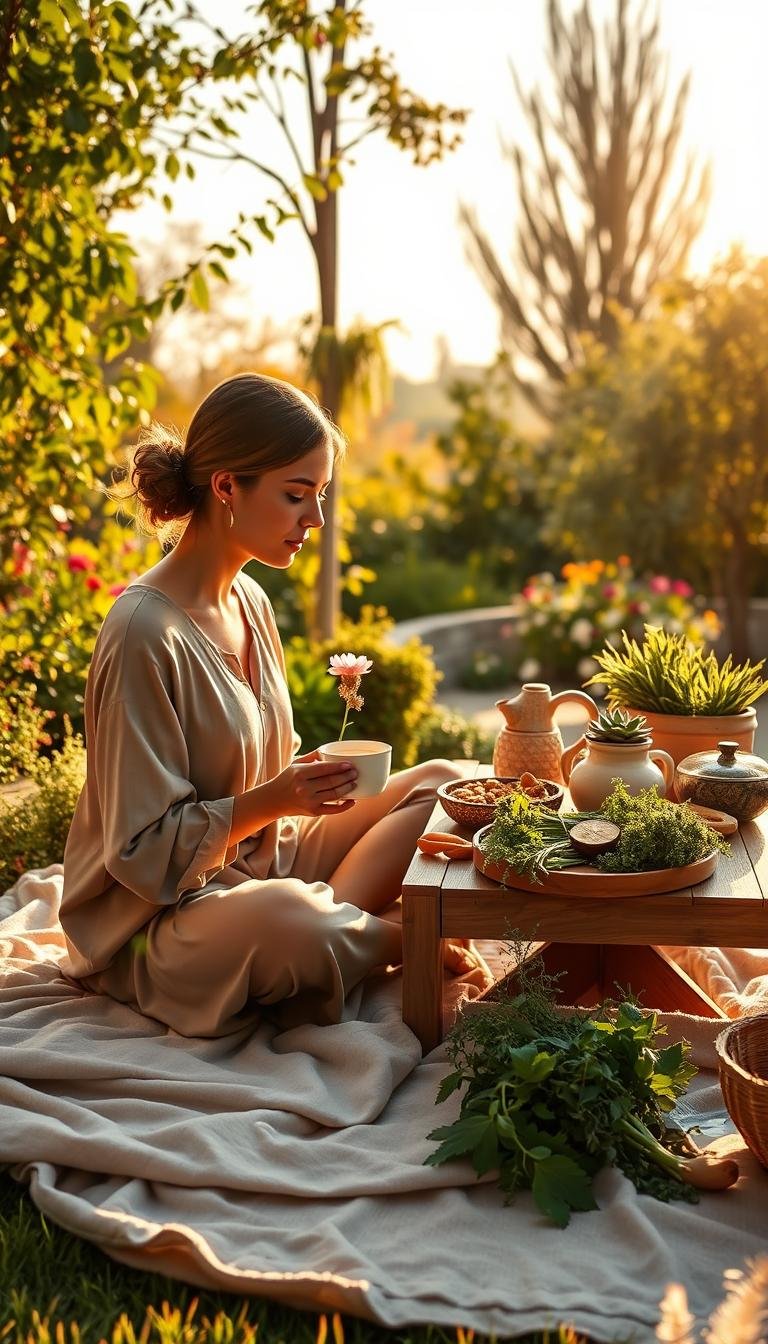
The morning light spills across the table, warm and soft. You cup a mug, breathe deeper, and feel a small clearing in your day.
This gentle guide offers simple rituals that honor your pace. It frames an idea of living better, not faster, so you can shape a life that feels kinder to your heart.
Think short, practical steps: a quiet pause before work, a mindful meal, a touch of nature between tasks. These small moments reclaim precious time without a big overhaul.
You’ll meet friendly history and a noted book that helped the movement find its voice, and you’ll get ideas that fit real lives. The goal is calm presence, more joy, and more choice.
In this warm, steady way, slow living becomes a companion. Begin with one small ritual tonight and let the rest follow gently.
Key Takeaways
- Start mornings with a brief pause to center your day.
- Use tiny rituals to reclaim pockets of time and bring joy.
- Focus on quality in day-to-day choices to support your life.
- Learn context from a noted book and simple, real ideas.
- This approach honors your heart and fits busy lives.
A soft beginning: quiet light, warm cup, slower breath
A quiet corner and a few steady breaths can change how you meet time. Start slow by choosing one small habit that feels gentle. This is not about adding tasks. It is a kind way to make a little room for yourself each morning.
Arriving where you are: creating a small, cozy space
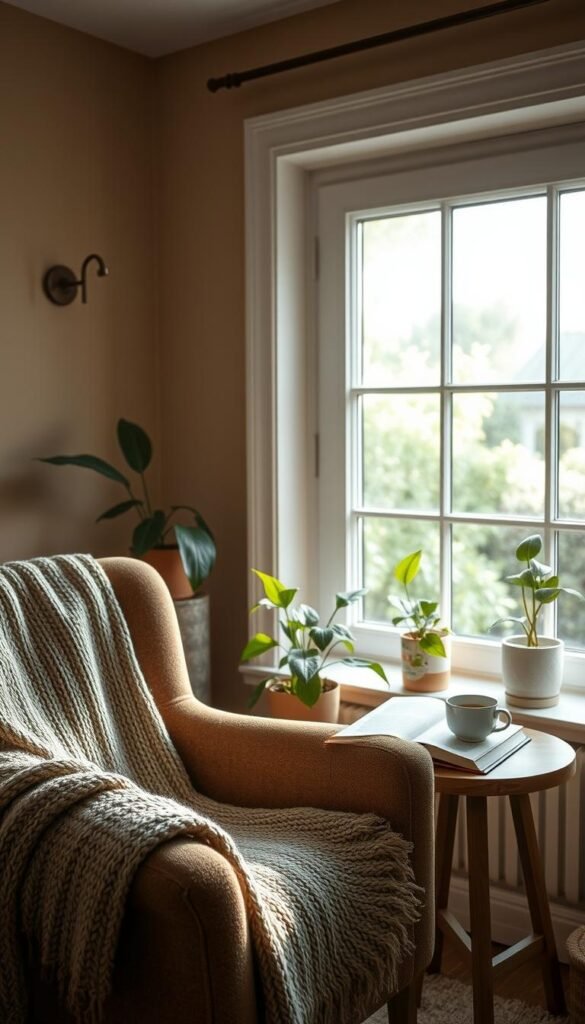
Find a tiny patch of space in your home that catches soft light. A chair by the window, a bedside corner, or a neat spot on the counter will do.
Let a warm cup, a blanket, or a single plant live there. This nook becomes a familiar moment where your breath steadies and your shoulders drop.

Setting an intention for a kinder pace
Keep a short intention on a card nearby to name the pace you want today. Make it simple: one word or a phrase you can return to when the day speeds up.
- Use the space for a few quiet minutes — the aim is kinder use of time, not more of it.
- Choose one comfort: warm light, a favorite mug, or a small plant to cue calm.
- Over days, this habit reshapes how your life and your living feel, giving you a steady, gentle way to begin.
What Slow Living means today
Across cities and countryside, a quieter approach has grown into a broad movement.
Living better, not faster: a mindset and a movement
This idea helps people do the right things at the right pace. It creates space for what matters in your life and work.
Good slow is deliberate care. It is not laziness. And good fast is useful when speed supports quality.
From Slow Food to a slower lifestyle in a fast world
The wider movement began in 1980s Italy with Carlo Petrini’s slow food effort to protect traditions and seasonal food. Carl Honoré’s 2004 book, In Praise of Slowness, brought these concepts into everyday life.

Good slow, good fast: clearing up common misconceptions
Today the idea appears in travel, news outlets, and daily routines. Media and books have helped spread ways to find depth in a hurried world.
- It fits city life and country life alike.
- It grew in interest around 2020 and continues to evolve.
- Apply it gently: pick practices that suit your season and energy.
Why this matters to your heart
Your heart notices small pauses in the day, and those pauses change the shape of time.
Reclaiming time, presence, and purpose in daily life
Choosing a few quiet rituals helps you find more presence. You begin to notice what matters and make decisions that match your values.
This brings clear benefits: less stress, kinder attention for people you love, and more meaning in routine moments.
Choosing quality over quantity in relationships and routines
Quality over quantity means fewer plans but fuller conversations. It means doing less and being more there when it counts.
Authors like Brooke McAlary and Leo Babauta name presence, curation, and intent as the heartbeat of this movement. Their ideas help you shape a life with purpose and gentle pace.

- Reclaim time for what truly matters and notice small joys.
- Align daily choices with values so routines feel meaningful.
- Grow awareness of where stress builds and where tenderness eases it.
| Focus | What changes | Everyday result |
|---|---|---|
| Presence | Less multitasking | Deeper connection with self and others |
| Purpose | Intentional choices | Routines feel meaningful |
| Quality | Fewer commitments | Fuller conversations and calmer days |
Your desire for a calmer rhythm is valid. This is not perfection. It is a kind practice that shapes a softer, more human lifestyle in a busy world.
Slow rituals for busy mornings
Begin your day with tiny, thoughtful gestures that protect time and tenderness. These rituals are simple. They fit into crowded schedules and shape a gentler start.
Soft wake-up: light, breath, and a warm mug
Wake with soft light when you can—open curtains a few inches the night before.
Take three slow breaths to greet your body and note how the chest lifts. Hold a warm mug. Sip without screens and notice the aroma and temperature.
Unhurried getting-ready: fewer steps, more presence
Choose a pared-down routine: one skincare step, a ready outfit, and two comforting things that ease your choices.
Keep the phone on airplane mode for the first ten minutes to avoid social media noise and protect quiet time.
Slow commute choices: nature touchpoints and quiet starts
If you travel to work, add a small nature cue—step outside, look at the sky, or walk under trees on the last block.
Bring a calm cue to your desk: a tiny stone, a short playlist, or a pocket notebook. Eat a small bite of food you love and notice one detail to ground your senses.
| Ritual | What to do | Benefit |
|---|---|---|
| Soft light | Open curtains a few inches | Eases wakefulness, steadies pace |
| Warm mug | Sip without screens | Settles heart and mind |
| Fewer steps | Simple routine, outfit ready | Saves time, reduces decision load |
| Nature cue | Step outside or walk under trees | Restores focus before work |
Slow Living at home: creating a calm, thoughtful space
Make room for ease by working gently and steadily through each corner of your home.
Start small: clear a tabletop, wipe it clean, and place one object that brings you peace. This tiny care invites calm every time you pass by. Over days, that small action shifts how your space and your life feel.
Clearing clutter gently: room-by-room awareness
Move through rooms with quiet intent. Open a drawer, remove unused things, and decide what still supports your season of life.
Let storage be simple: a basket for daily essentials, a small tray for keys, and one drawer that holds only what you really use.
Digital spaces: calmer inbox, softer screens
Tidy digital areas with the same softness. Create clear folders, delete old emails, and offload files to cloud storage or drives to free time.
- Set windows to check messages so media does not tug at your day.
- Schedule a monthly five-minute file tidy and keep a donate bag for things that no longer belong.
- Remember: less on counters and screens reduces stress and makes upkeep feel easy.
Mini rituals you can add in minutes
Little practices—held with intent—turn ordinary minutes into gentle care. These tiny rituals ask for only a few breaths and a few seconds of attention. They add meaning by inviting presence into your day.
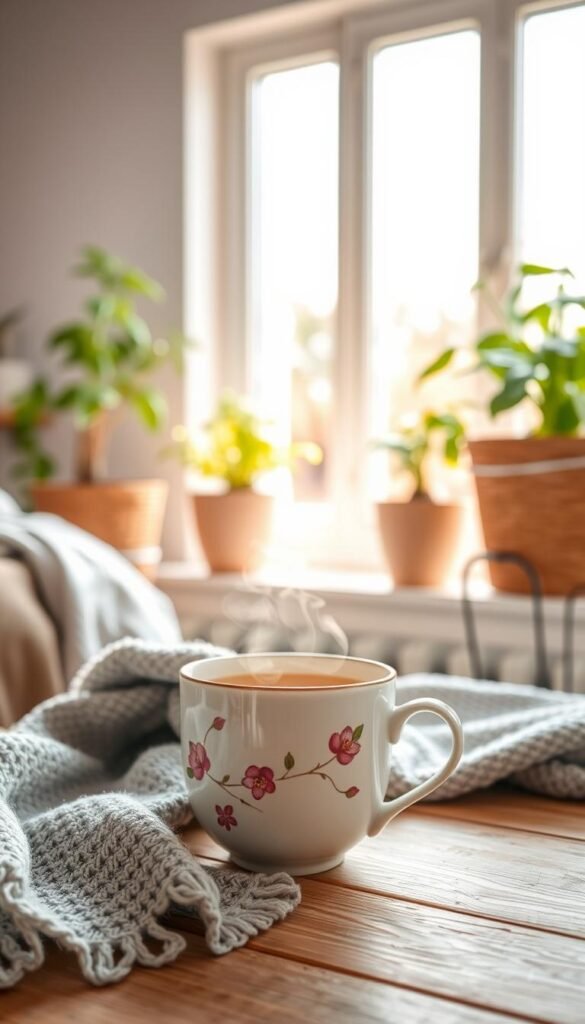
Warm cup ritual: a mindful tea or coffee pause
Hold your mug with both hands, breathe in the steam, and take three mindful sips. Let the warmth travel up through your fingers and into your chest. An afternoon tea with a favorite mug or herbal blend makes a quiet pocket of care.
Digital sunset: softer evenings with less social media
Pick a gentle time to step away from social media each evening. Dim the lights, close the apps, and trade scrolling for calm. This small pause helps you finish the day with quieter energy and clearer rest.
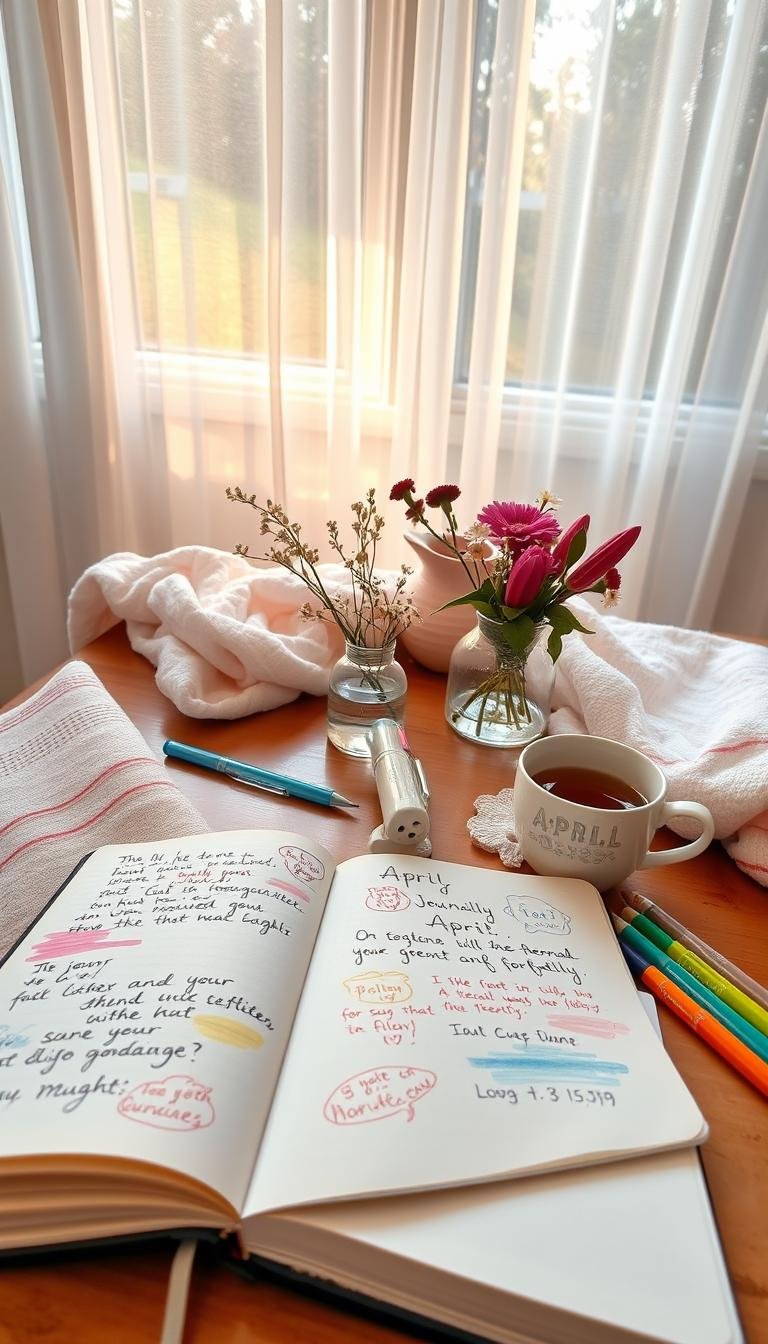
Slow journaling: two lines, one feeling, one gratitude
Write just two lines: one feeling and one gratitude. This tiny habit builds presence without taking much time. Keep a pen by your chair so the practice is easy to start.
Ten-minute reset: tidy, breathe, light a candle
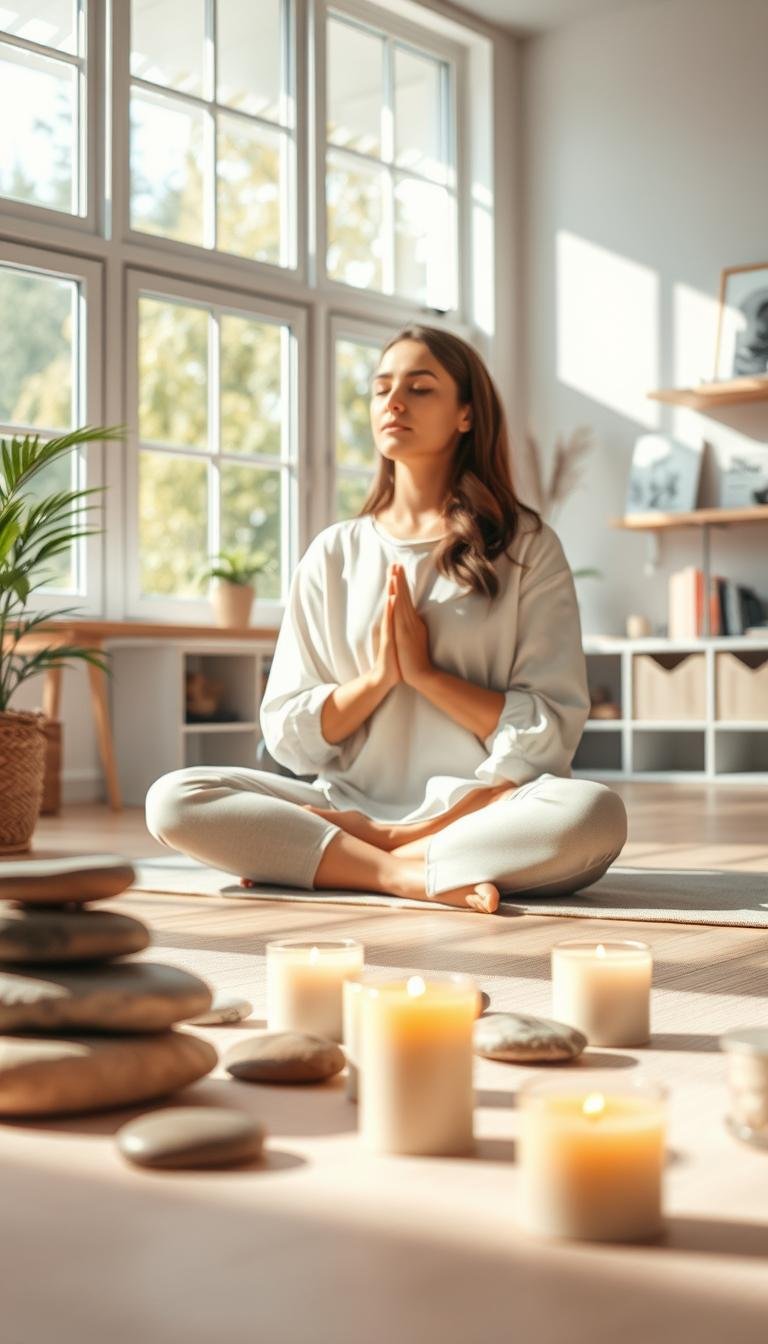
Set a timer for ten minutes. Tidy the nearest surface, breathe slowly, and light a small candle. Finish with a sip of water and a smile. These short resets refresh your mind and home.
- Keep a basket of tiny hobbies nearby—knit a few rows, read a page, or sketch a leaf—so relaxing is as easy as reaching out your hand.
- Make things simple to begin: keep tea handy, a pen in reach, and a candle where you’ll see it at dusk.
| Ritual | What to do | Benefits |
|---|---|---|
| Warm cup | Hold with hands, three sips | Calmer breath, small joy |
| Digital sunset | Step back from social media | Softer evenings, better sleep |
| Journaling | Two lines: feeling + gratitude | Greater presence, clearer mind |
Notice the benefits: a calmer breath, a clearer head, and a little joy that carries into your living and life. Let these mini rituals be invitations, not rules. Choose what fits your day and leave the rest with kindness.
Food as a slower way of living
Food prepared with care invites conversation and steady breath around the table. In kitchens that respect season and place, meals become small rituals. They ask us to notice aroma, texture, and the company at hand.

Slow food basics: seasonal, local, simple
The Slow Food movement began in Italy in the 1980s to protect regional traditions and sustainability. Its tenets favor local, organic, and whole ingredients.
Choose seasonal produce, support local makers, and pick simple recipes that let good ingredients shine. This makes shopping and prep kinder to your values and your time.
Mindful meals: fewer distractions, more conversation
Set the table, silence devices, and invite family or friends to linger. A few focused minutes of eye contact and listening change how you feel after a meal.
Old-fashioned joys: baking bread, setting a simple table
Knead dough by hand, simmer soup slowly, or fold a cloth napkin. These small gestures turn routine things into nourishing practice.
- Keep weeknights simple: roast veg, warm grain, a drizzle of olive oil.
- Add one seasonal item each week to shift habits gently.
- Share leftovers with a neighbor—thoughtful cooking ripples outward.
Moving with nature and your body
Step outside with curiosity and let the sky and the season set your tempo for a short walk. A brief, sensory walk can mark time without pressure. It reconnects you to how the day feels and the rhythm that suits your life.

Unhurried walks: seasons, sky, and small wonders
Look up at the sky, notice the light, and listen for birds. Let these simple details tell you what part of the day it is.
Move with your body in a way that feels friendly. A quick loop or a longer meander both count.
- Let breeze and birdsong mark your time.
- Notice leaf patterns, cloud shapes, or the scent of damp earth.
- Taste the season when you can—pluck an herb, enjoy a local fruit, or sip a small tea.
Hands-on hobbies: knitting, gardening, reading, journaling
Choose a few hand crafts or quiet tasks that invite focus. Many people find knitting or gardening helps them slow and attend to seasonal change.
Keep supplies handy: a basket with yarn, a trowel by the door, a journal and pen. Starting should be easy.
“Let joy come from the making itself, not from results.”
Over time, this gentle movement becomes a companion. It brings more presence into daily living and a quieter kind of life that fits your pace and brings small, steady joy.
Conscious consumption and wardrobe simplicity
A simpler closet can give you more calm and fewer decisions each day. Start with a small intention: let your clothes support the life you live rather than chase trends.
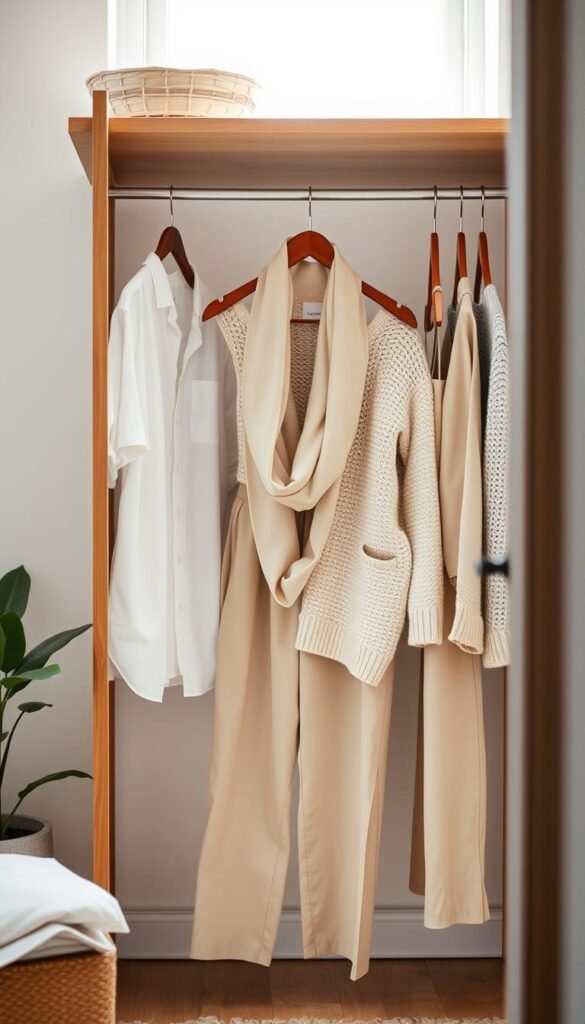
Buying less, choosing well: values-led decisions
Begin by asking what you need for work, weekends, and rest. Choose pieces that match those needs.
Buy less and choose well: favor classic cuts, neutral palettes, and materials you enjoy wearing.
When you shop with clear values, you save time and spend money on things that last.
Secondhand first: thrift, repair, and care
Try secondhand options before new. Visit Goodwill, Salvation Army, or a local Habitat for Humanity ReStore.
Caring for clothing stretches its life: mend buttons, remove pilling, and wash gently.
- Keep a small repair kit for five-minute fixes.
- Build a few repeatable outfits to make getting dressed easy.
- Notice how buying fewer things creates more room for people and priorities.
“Choose garments that serve your days and honor your values.”
What to release on this journey
Letting go can be the kindest act you give yourself this week.
Letting go of rushing, pressure, and perfection
Rushing becomes a habit that gathers stress and shrinks your margin. Notice where your day feels tight and choose one small change.
Release the idea that you must do everything perfectly. Choose progress made with care over pushing past your limits.
When old desire to hurry returns, pause and ask: “What would feel kinder right now?” Let that answer guide your time and your pace.

Soft boundaries: saying no with kindness
Saying no protects priorities and creates space for what matters most in your life.
“I would love to help out but I’m not able to at this time. Thank you for thinking of me!”
Try short, kind phrases: “I’m not able to take that on right now,” or “This week needs to stay quiet for me.”
- Let go of the idea you must do it all; a kinder no frees room for a gentler pace.
- Notice where stress gathers and soften it with fewer commitments or more margin between plans.
- Remember: saying no to some things is saying yes to the life and people you care for.
| What to release | Small action | Result |
|---|---|---|
| Perfection | Choose progress, not perfect timing | Less stress, more forward motion |
| Rushing | Pause before answering requests | Clearer priorities, calmer pace |
| Unneeded obligations | Use a polite decline script | More time for meaningful things |
Reflection prompts to keep you close to yourself
Take a quiet breath, open your notebook, and let one honest answer arrive. These short prompts help you check in without pressure. Use them when you have a minute and keep answers brief.
Prompt: What pace feels kind to my body and my day?
Write two or three honest lines. Notice how your body names comfort—slower steps, fewer tasks, or more pauses.
Tip: Let your thoughts drift. Answer from your heart rather than from habit.
Prompt: Where can I trade one “more” for one moment of presence?
Name a place in your schedule where one less item gives you a small, mindful pocket of time. Keep it simple and real.
- Take a quiet minute to notice your thoughts; let them move across the page without judgment.
- Keep reflections to two lines when you can — this honors purpose and makes the practice easy to repeat.
- Tuck a notebook by your cozy chair or bedside so starting feels natural.
- If helpful, keep a short list of favorite books nearby for gentle encouragement.
- Return to these prompts when stress rises; they guide the next small, kind step in your journey.
| Prompt | How to answer | Benefit |
|---|---|---|
| What pace feels kind? | Two short lines about body and day | Better rest, calmer choices |
| Trade one “more” | Name one task to reduce this week | More presence, less rush |
| Weekly touchstone | Revisit answers for five minutes | Keeps purpose and journey steady |
Conclusion
Picture a quiet moment at your kitchen table, a warm cup in hand, and a gentle exhale. Let that image guide the small choices you make this week.
Keep this guide close and pick one tiny next step: set a digital sunset, plan a short walk in nature, or invite a friend to share a simple meal. These small acts help slow living become a steady part of your life.
Trust that a kinder pace holds real joy. The movement grows across the world, and your journey need only be one soft change at a time. Keep a favorite book nearby and let each gentle moment add to a healthier, more present year.
FAQ
What is the main idea behind Slow Living for busy women?
The main idea is to create a kinder daily pace that fits a full life. It focuses on simple rituals, clearer priorities, and small environmental changes—like a cozy corner, a warm cup, or a two-line journaling habit—that reduce stress and boost presence without sacrificing work, family, or goals.
How can I start with a soft beginning each morning?
Begin with gentle light, three deep breaths, and a warm drink. Keep your first minutes screen-free and set one intention for the day. Small acts—opening a window, choosing one outfit step, or sitting quietly for two minutes—create a calmer tone that lasts.
What does “living better, not faster” look like in practice?
It’s a mindset shift: pick quality over quantity by simplifying routines, deepening relationships, and prioritizing rest. Swap multitasking for single-task focus, choose seasonal food, and make room for hobbies like gardening or knitting that restore energy.
How do I balance being productive with a slower approach?
Use clear boundaries and short rituals. Schedule focused work blocks, then take deliberate breaks—five-minute walks, breathing, or a tidy reset. Saying no to low-value tasks and choosing rest when needed keeps productivity sustainable.
What small home changes create a calm, thoughtful space?
Start room by room with gentle decluttering: keep surfaces clear, add soft lighting, and designate a single cozy spot for reading or tea. Limit visible tech in living areas and use baskets or small trays to organize essentials.
How can I make mornings less hectic with fewer steps?
Simplify your getting-ready routine: pick outfits the night before, reduce products to multi-use items, and combine a short stretch with a warm cup. These small cuts save time while increasing presence.
What are easy mini rituals I can add in minutes?
Try a mindful warm cup ritual, a two-line journal entry (one feeling, one gratitude), a ten-minute tidy and breathe reset, and a digital sunset where screens go away 60–90 minutes before bed.
How can food become a gentler part of everyday life?
Choose seasonal, local ingredients and simplify meals to fewer steps. Slow, mindful eating means fewer distractions, sharing conversation at the table, and occasional hands-on baking or preserving to enjoy process over speed.
What movement practices fit a busy schedule?
Short, unhurried walks outdoors, gentle stretching, or mindful movement breaks throughout the day work well. Aim for presence rather than intensity—notice the sky, the seasons, or the rhythm of your breath.
How do I build a values-led wardrobe without overspending?
Buy less and choose well: prioritize versatile pieces, repair when possible, and shop secondhand first. A smaller, curated closet reduces decision fatigue and reflects priorities like comfort and longevity.
What should I release to make space for this way of life?
Let go of rushing, constant pressure, and perfection. Practice soft boundaries: learn to decline with kindness and protect pockets of time for rest, family, and small joys.
How do I know what pace feels kind to my body and day?
Use reflection prompts: notice energy dips, what tasks drain or replenish you, and where a small pause improves focus. Adjust routines little by little until daily rhythms feel nourishing rather than depleting.
Can this approach work with a busy family and career?
Yes. It’s about micro changes—shared simple meals, short rituals, and clearer priorities. Involve family in tiny traditions, delegate tasks, and choose practices that scale to your household needs.
What resources help deepen this practice?
Look for books, podcasts, and community groups focused on mindful routines, seasonal cooking, and purposeful design. Popular resources include works on mindful eating, simple home styling, and nature-based hobbies to sustain the journey.