Emotional Grounding Ritual You Can Do Anywhere
,Welcome to a quiet pause. Imagine soft light pooling on a table and a warm cup held between your palms.
In this gentle moment, you let the present moment arrive without rush. You notice the steam, the faint scent, and the curve of the cup where it meets your fingers.
Use your senses to guide you back to now. A quick five-sense scan can help your mind settle and your feelings find a gentle place to land.
This is portable and simple. Keep a scarf, a smooth stone, or a favorite tea nearby so presence is always within reach.
With small steps and soft cues, this ritual offers a calm, intentional space to breathe and return to what is right in front of you.
Key Takeaways
- Use a warm cup or familiar object to anchor attention.
- Try a short five-sense scan to return to the present moment.
- Simple cues help the mind loosen its grip on what-ifs.
- Keep comforting items close for quick, portable calm.
- Practice small rituals often to build steady, soothing habits.
- Start gently and let your body show what feels peaceful.
A soft welcome into the present moment
Begin by finding the seat beneath you and letting your awareness arrive there. Notice how your body meets the chair and the small contact points that hold you.
Take an easy breath in and a slower breath out. Imagine dimming the lights on stress one gentle notch at a time.
Let your attention rest on one friendly detail in this place: a folded blanket, the edge of a page, or the slant of light through a window. Name a few things quietly, without judgment.
“There is no schedule for arriving—only an open invitation to be here.”
- Settle and feel where you sit.
- Breathe slowly and notice the body.
- Anchor wandering thoughts to one sensation, like warmth at your fingertips.
These techniques are soft and doable. You can repeat this welcome anytime, in any time or place, and let your present surroundings offer steady ground beneath you.

Why this gentle practice matters for your heart
A short pause with the senses can slow the rush and open a calmer place.
Small habits give emotions a softer landing. When anxiety or stress stirs, simple sensory anchors bring attention back to what is real. That helps untangle racing thoughts one breath at a time.
This practice supports mental health by offering a repeatable routine people can use when feelings feel large. It does not replace care from a clinician, but it can help in everyday moments and during spikes tied to mood disorder or panic.
Many find that naming facts, noting colors, or sensing a warm mug calms the brain. Over time, these steps teach the body to notice feelings as changing waves rather than permanent states.

| What it helps | How it works | Try this now |
|---|---|---|
| Stress | Shifts focus to senses | 5-4-3-2-1 scan |
| Anxiety | Slows breath and thoughts | Name three objects |
| Racing thoughts | Creates a steady routine | Repeat a simple fact |
- Gentle, repeatable steps help make calm easier over time.
- These techniques help without forcing feelings away.
Understanding grounding in everyday life
A simple sense-led cue can gently bring your attention back to the room you are in.
This way of returning to the present moment uses small, kind steps that fit your day.
Returning to the here and now with your senses
Try naming five things you can see, four you can touch, three you can hear, two you can smell, and one you can taste.
Sensory anchors like colors, textures, or a warm cup help the mind land. You can notice a mug, a soft scarf, or the feel of your feet on the floor.

Creating space from swirling thoughts and feelings
When thoughts race, count categories: trees, songs, or simple facts you know. This gives your mind a gentle task without pushing feelings away.
Practice grounding in calm moments so it becomes a natural way to pause when things feel loud. A few slow breaths and small senses checks are enough to find the steady ground already under you.
| What to try | How it helps | Quick cue |
|---|---|---|
| Feet on the floor | Anchors body to support | Sense weight in toes |
| Notice objects | Shifts focus outward | Name three colors |
| Mental categories | Calms racing thoughts | List five trees |
Emotional Grounding
Choose a gentle cue—a soft sound or a warm surface—and let it guide you here. This short note explains three friendly gateways you can use when you need to come back to now.
Physical gateways
Invite the body to lead with simple contact. Touch a smooth stone, notice the chair beneath you, or follow a slow breath into your belly.
These techniques use the senses to steady attention and bring comfort quickly.

Mental gateways
Give the mind a friendly task. List trees you love, recite the alphabet, or repeat an anchoring statement about where you are.
One small technique can shift thought from swirl to steady, making space for clearer focus.
Soothing gateways
Comfort your emotions with kind phrases, soft music, or time with a pet. Creative acts like gentle coloring can also lower intensity.
Let tenderness meet what you feel and offer a quiet hand to the moment.
- Pick one way, or blend a couple depending on what feels nourishing.
- Let body and mind work together, meeting emotions with curiosity.
- Keep a few favorites close so the ritual is easy to begin and offers quick help.
“Small, simple steps can open a steady place to rest.”
Senses-first grounding techniques to feel safe in your space
Notice small details nearby and use them to steady your attention.
The 5-4-3-2-1 scan of the present moment
Try this simple example for a few minutes: name five things you see, four you can touch, three you hear, two you smell, and one you taste.
This quick exercise calms anxiety and brings your focus gently back to the present.
Touch and texture: fabric, stone, floor, and warm mugs
Explore texture with a blanket’s weave, a smooth stone, the steady floor beneath you, or the curve of a warm mug.
Temperature matters—notice warmth in your hands or a cool draft on your wrist as a clear anchor.
Color and light: noticing shades, shadows, and gentle details
Look for specific colors—indigo, burgundy, soft gray—and follow the way light shapes a wall or an object.
Naming colors and small objects slows racing thoughts and supports steady attention.
Savoring taste and scent: tea steam, citrus, herbs
Savor steam from tea, a slice of citrus, or a hint of herbs. Let the smell and taste settle your emotions.
- Short sensory exercises are useful when anxiety feels near.
- Spend a few minutes naming things without judgment.
- Choose cozy objects and small rituals that feel safe in your space.
Slow breathing as an anchor
Let your breathing become a gentle thread you can follow through any busy minute. This small practice helps you pause, return to the present, and notice how the body responds.
Inhale-softly, exhale-slow: place a hand on your belly and feel rise and fall. Watch the belly lift on an easy inhale and soften on the out-breath. Let the touch be a simple reminder of this steady part of you.

Inhale-softly, exhale-slow: noticing belly rise and fall
Try a pattern like in for four, hold briefly, and out longer—adjust the counts to your comfort. The aim is not perfection but to lengthen the exhale so tension eases and stress softens.
Notice the sensation of air at the tip of your nose. Feel the soft pause before the out-breath. If thoughts wander, return to that simple feeling.
A calming pattern you can adapt
Use 4-7-8 if it suits you, or choose shorter counts. Make the rhythm your own; this technique is flexible and kind.
- Place a hand on your belly and feel the rise and fall.
- Pick counts that fit you—no pressure to match anyone else.
- Let each breath mark a quiet moment and reduce the sense of rush.
“When your focus drifts, use the breath to bring you back — gently and without judgment.”
Body-based grounding: feet, floor, and tiny movements
Feel the simple support beneath your feet and let that contact steady you. Let attention rest on the small facts of weight, touch, and balance.
Planting your feet: toes, weight, and the ground beneath
Stand or sit and press your feet into the floor. Sense weight shift from heels to toes and notice how the body meets the surface.
Use the feet as an anchor—a soft reminder that you are held by the ground right now.
Clench and release: giving tension a place to go
Tighten your fists or lift your shoulders gently, hold for a breath, then let go. Repeat once or twice.
This simple technique gives built-up tension a clear outlet and helps the nervous system ease.
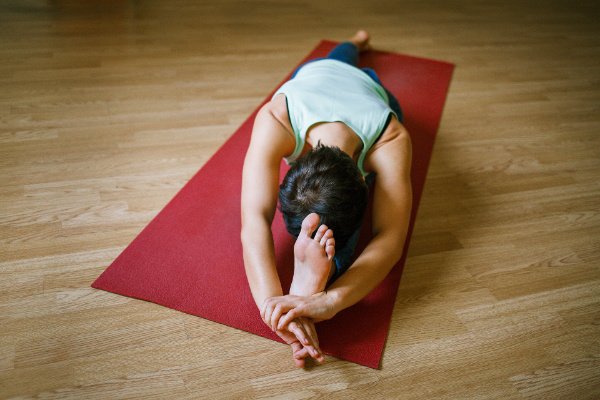
Gentle stretches: neck, shoulders, and child’s pose
Roll your neck slowly, reach arms overhead, or fold into child’s pose. Move only as far as feels good.
Notice the texture under your hands or feet—the mat, carpet, or wood—as a quiet cue of comfort.

“Small movements and steady contact can shift how we feel in just a few breaths.”
| What to do | How it helps | Quick cue |
|---|---|---|
| Press feet into floor | Anchors body and attention | Sense toes and heels |
| Clench & release | Releases tension | Tighten, hold, soften |
| Gentle stretches | Soothes neck and shoulders | Roll, reach, fold |
- These small exercises are discreet and can reset you in moments.
- If scattered, return to the feet and the quiet rhythm of weight shifting.
Water and temperature to reset your senses
A short moment with changing temperatures on your skin offers a crisp way to arrive here. Use gentle contact with water or a cool object to invite mindful noticing.

Warm then cool (or cool then warm) on your hands
Let warm water wash over your hands, then switch to cool. Notice how the temperature moves across fingertips and palms.
Try the reverse order and observe the difference. This simple example helps you name a clear physical cue in the present.
Holding ice or a cool glass mindfully
Hold a piece of ice or a chilled glass and feel its edges, weight, and the tiny droplets forming as it warms. Stay with the contact and the subtle shifts you feel.
Use whichever order feels soothing and return your attention to the touch if the mind drifts. These small temperature cues provide a crisp, immediate anchor you can use anywhere.
| Action | How it helps | Quick cue |
|---|---|---|
| Warm then cool water | Highlights changing feel on skin | Focus on fingertips |
| Cool then warm water | Shows contrast in sensation | Compare the two |
| Ice or chilled glass | Offers a crisp point of focus | Notice weight & droplets |
Sound and music to soften the mind
Let soft sounds around you become a gentle doorway back into the present. Listening with calm attention can help the mind settle without force.

Listening to the room: hums, birds, distant voices
Sit quietly and notice small layers of noise. Hear the hum of appliances, birds outside, or distant voices of people walking by.
Focus on one layer at a time. Let the ordinary sounds remind you that you are here and supported in this moment.
Your calming playlist or sound bath
Choose a soft playlist or a sound bath and let the tones wash through your thoughts like a wave. Keep volume low and cozy to cradle attention.
If stress rises, follow one instrument, then the next, and notice how your emotions respond. You can use the same track each time to create a familiar way back to ease.
| What to listen | How it helps | Quick tip |
|---|---|---|
| Room hums and birds | Orients attention outward | Name three layers |
| Single instrument | Calms racing thoughts | Track melody only |
| Sound bath or playlist | Soothes mood and stress | Low volume, repeat |
“Sound can be a quiet, simple thing that brings you back to now.”
Mental grounding techniques that meet you where you are
Give your brain a small, kind job and let your thoughts follow. These brief, friendly mental tasks can gently re-orient attention when feelings rise or panic feels near.
Categories and lists: trees, colors, or favorite places
Try a quick list: name five trees you love, three colors you see, or two favorite places you’ve visited. Keep it light and specific. The act of listing gives the brain a steady focus and brings you back into this place.
Reciting what you know: alphabet, poem, or anchoring statements
Repeat something familiar—your alphabet, a short poem, or an anchoring statement that notes your name, location, date, and time. This small practice orients memory and calms racing thoughts without pressure.

Visualizing a daily task you enjoy
Picture a simple routine you like—making tea, folding a towel, or watering a plant. Walk through each step slowly and notice objects, movements, and small comforts. This visualization is an easy technique people can use in a minute or two.
- Give your brain a kind task like lists or recitation.
- Use short, repeatable exercises as an example of steady focus.
- These techniques support mental health by meeting thoughts with gentle direction.
“Tiny steps are still steps back to here.”
Soothing practices that comfort the nervous system
Quiet, repeated kindness to yourself can shift a busy moment into rest. These gentle options invite the body to soften and the mind to slow.
Self-kindness phrases in a quiet voice
Whisper simple lines like “It’s okay to feel this” or “I’m safe in this present moment”. Let the words land on your chest and let your muscles ease as you speak.
Sitting with a pet or favorite object
Hold a pet or a small object and notice warmth, weight, and texture. Feeling fur or a smooth stone brings attention back to now and offers calm.
Creative focus: gentle coloring or simple sketching
Try soft coloring or a quick sketch. Let colors and lines form a slow rhythm that helps feelings unwind without forcing change.
- Whisper a kind phrase and rest your hand over your heart.
- Sit with what feels tender for a few minutes.
- Keep the practice small—two to five minutes can truly help.
“Let soothing be a practice, not a performance.”
| Practice | What it touches | Quick cue |
|---|---|---|
| Self-kindness phrases | Emotions and breath | Say one sentence aloud |
| Sit with a pet/object | Body warmth and texture | Notice weight and fur |
| Gentle coloring/sketch | Focus and colors | Fill one small page |
Nature, place, and the present moment
Step outside slowly and let each footfall bring your attention back to this exact place.
Walk in a gentle way and notice how your feet meet the ground. Sense the brief transfer of weight from heel to toes. Let each step be a small check-in with the body.
Walking slowly, feeling the ground with each step
Move at a softer pace and follow the rhythm of walking. Pay attention to the contact of feet on floor or trail. This focused motion is a simple form of grounding you can use anywhere.
Green views, open sky, and a breath of fresh air
If you cannot go outside, stand by a window and let green views and open sky hold your senses. Notice light on leaves, the sound of wind, or a single bright cloud.
- Step slowly and feel weight shift from toes to heel.
- Linger by a window when outside isn’t possible.
- Return your attention to one small detail if the mind wanders.
“Walking like this is a kind practice of being here, one gentle shift at a time.”
Optional mini-rituals for cozy pauses
Carve out a few minutes for a cozy habit that helps you feel steady again. These short options fit into a busy day and create a calm little space to return to the present.
A warm cup ritual
Cradle a mug, notice the heat, inhale the steam, and sip slowly. Use water or a soothing tea so scent and temperature anchor attention.
Digital sunset in the evening
Dim screens, pick a softer playlist, and let quiet gather like a blanket. Turn off alerts at a gentle hour and make room for softer light.
Slow journaling by soft light
Write three simple lines about what you notice right now. Keep words kind and small; this practice helps name things and steady the mind.
A 10-minute reset of tidy, breath, and stillness
Tidy three small things, take a few easy breaths, then sit still for the remaining minutes. This brief routine resets pace and offers a clear, calm ending.
- These mini rituals are short techniques you can use any day.
- Pick one that fits your time and energy, and practice grounding in gentle bursts.
A gentle, step-by-step grounding routine
Choose one simple object to hold and let that choice invite presence. This short routine is a cozy, repeatable sequence you can use anywhere. It uses small, kind steps so the practice feels easy to begin again.
Set the scene: soft light, quiet corner, warm cup
Technique: soften lights, find a quiet corner, and hold a warm cup or small object. Let comfort signal that this moment is for you.
Senses scan: sight, sound, touch, scent, taste
- Name a few things you see.
- Notice one sound in the room.
- Touch something nearby and note its texture.
- Check for a scent and, if available, a small taste.
Breath and body: three slow rounds, feet on the floor
Take three slow rounds of breath and feel the rise and fall. Place your feet on the floor and sense weight through toes and heels.
Let the body guide the pace and let attention rest on one steady point if your mind wanders.
Close with intention: one kind sentence to yourself
Whisper a short, kind line—“I am here, and I am enough for this moment.” Repeat once and carry the small ritual forward when you need support.
What to release as you arrive here
Pause for a moment and imagine setting down a heavy bag — notice the relief that follows.
Let this be a gentle invitation to leave a few things behind before you begin. Naming what you set down makes the practice easier to enter and keeps the present kinder to your pace.
Let go of rushing
Drop the hurry like a coat at the door. Give yourself a tiny window of time to arrive, even one minute.
Set down pressure and perfection
Release expectations about outcome. This is practice, not performance.
- Let go of rushing, as if placing heavy bags down and choosing a slower lane.
- Set down pressure and perfection; this is about being here, not getting it right.
- Meet anxiety with patience and remind your mind a softer pace is allowed.
- When you forget, simply begin again; that return is part of the ritual.
| What to release | Why it helps | Quick cue |
|---|---|---|
| Rushing | Reduces acute stress and clears space | Take one slow breath |
| Pressure to perform | Allows curiosity instead of shame | Say, “I can try gently” |
| Perfection | Makes practice sustainable | Accept small steps |
| Repeated worry | Soothes rising anxiety | List one steady fact |
Let your techniques be gentle companions, not rules. Trust that being present is enough for right now.
Soft prompts for reflection
Sit with a soft question and let your senses answer it, one small detail at a time. This short pause is meant to be kind and brief.
Which sensation helps me feel most present right now?
Notice warmth, scent, sound, or touch. Name the one that grounds you and write a line about it.
Journaling prompt: “I feel most steady when I notice _______.” Write two or three words and stop.
What tiny ritual can I return to when my mind feels stormy?
Pick a small habit that gathers your attention—a song, a texture, or a familiar corner. Keep it simple and repeatable.
Journaling prompt: “My gentle way back is _______.” Save that line for hard moments.
- Which sensation helps me feel most present right now—warmth, scent, sound, or touch?
- What tiny ritual feels like a gentle way back when my thoughts grow busy and my feelings grow loud?
- Note one cue that reliably gathers your attention: a song, a texture, a familiar corner.
- Keep your words simple and kind, focused on the present moment rather than explanations.
| Prompt | How to use it | Quick note |
|---|---|---|
| Which sensation? | Write one short line about what you notice | Use the same cue later |
| Tiny ritual | Pick a 1–2 step action to repeat | Keep it easy and portable |
| Reliable cue | Name a sound or texture that gathers attention | Save it for hard days |
“Let this be a tender check-in, not a task to finish.”
Conclusion
, A few calm steps—nothing elaborate—can offer a clear way back to the present. Use one small cue as a steady way to arrive: a song, a warm cup, or a short list you keep nearby. This simple grounding practice is an easy tool you can use often.
These gentle habits support overall health and can assist your brain when thoughts race. They are practical options people use to support mental health and to ease the tension that can come with mood disorder or high stress.
Keep two or three favorite things close so reaching for help feels natural. Try a single, repeatable action until it becomes familiar—these small ways add up and make returning feel easier.
For today, take one slow breath, notice one kind detail, and carry this quiet with you. You are not alone, and small steps are enough.
FAQ
What is a simple grounding ritual I can do anywhere?
Try a quick three-step routine: plant your feet so you feel the floor beneath you, take three slow breaths and notice your belly rise and fall, then name five things you can see, four you can touch, three you can hear, two you can smell, and one you can taste. This uses body awareness, breath, and senses to bring your attention to the present moment in under five minutes.
How often should I practice these techniques?
Short practices are most useful—several times a day if you can. Repeating a two- to five-minute reset before stressful tasks, after phone use, or when panic or racing thoughts arise helps build a calm habit. Consistency matters more than duration.
Can grounding help with panic or intense anxiety?
Yes. Focusing on breath, temperature, and concrete sensations—like holding a cool glass of water or pressing your feet into the floor—shifts the nervous system away from fight-or-flight. These sensory anchors interrupt spiraling thoughts and help your brain reorient to the present.
What should I do if I can’t sit still or feel fidgety?
Use body-based moves: walk slowly and notice each step, do gentle stretches for neck and shoulders, or try clench-and-release of the hands. Small, mindful movements let the body discharge tension while keeping attention linked to touch and weight.
Are there quick grounding prompts I can say to myself?
Yes. Simple phrases help: “I am here,” “I can breathe,” or “This will pass.” Soft, kind statements lower pressure and reconnect thought to sensation. Repeat them aloud or in a quiet voice to soothe the nervous system.
How do temperature and water help me feel present?
Alternating warm and cool sensations on your hands or holding ice engages strong sensory input that quickly pulls attention away from worries. A mindful sip of warm tea can also center you through taste, scent, and the feeling of the mug in your hands.
What role does sound or music play in calming the mind?
Listening to ambient sounds, birdsong, or a calming playlist acts like a soft anchor. Focus on one sound at a time—the hum of a heater, a distant voice, or a quiet melody—to steady attention and ease racing thoughts.
Can I use colors and light as part of a routine?
Absolutely. Notice shades, shadows, and gentle details in your space. Pick a color and scan for objects in that hue. This visual task is simple, accessible, and effective at returning attention to the present moment.
What mental techniques work when I can’t use my hands or move much?
Try mental lists or recitations: name trees, cities, or favorite foods; run through the alphabet; or visualize a familiar daily task step by step. These cognitive anchors create gentle structure and bring thought back to here and now.
How do I create a cozy mini-ritual at home?
Choose a small set of cues: a soft light, a warm cup, and a favorite chair. Spend five to ten minutes with a senses scan, three slow breaths, and a brief journal line. Repeat the ritual at similar times—morning or evening—to signal rest and reset.
Is there a safe way to ground with pets or objects?
Yes. Sitting with a pet, holding a textured stone, or cradling a soft blanket uses touch and companionship to soothe the nervous system. These familiar items act as reliable anchors when feelings feel overwhelming.
How do I adapt grounding for public spaces or work?
Keep it discreet: press feet into the floor under your desk, run a thumb over a textured fabric, use a calming playlist with headphones, or practice brief breath rounds. Micro-techniques work well while commuting or during meetings.
What should I release as I start a practice?
Let go of rushing and pressure to “fix” feelings instantly. Set down perfection and allow small, imperfect moments of attention. These gentle shifts open space for steadiness and better emotional regulation.
How can I build a routine that sticks?
Anchor the ritual to an existing habit—after brushing teeth, before bed, or during a midafternoon break. Keep steps short, sensory, and repeatable: scene, senses scan, breath, and a kind closing sentence. Consistency creates lasting benefits.