
Emotional Declutter for a Lighter Season
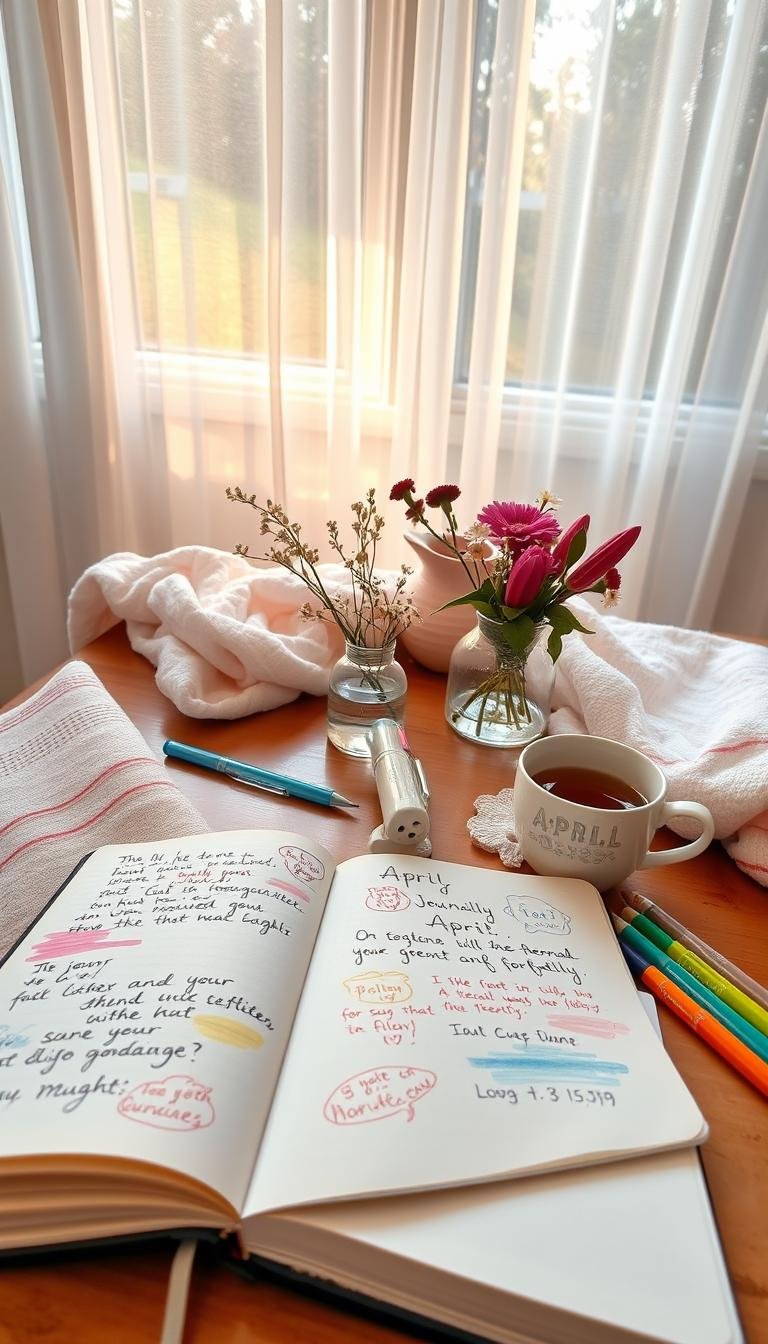
Picture a quiet morning: soft light brushing the table, your hands wrapped around a warm cup, and a gentle invitation to breathe. This is your home, a calm space where emotions are welcome and feelings can settle.
We move slowly and kindly. Small choices, made with care, create room without rushing your heart. Every item must have a home and everything must have a current purpose, but we approach this with tenderness.
Begin with tiny steps: sort a drawer, set a planned drop-off at Goodwill or St. Vincent de Paul, or list an item on the eBay app. Scan papers and photos to keep only the best, then let the rest go with a soft breath.
Honor memories while easing clutter. Hold them in words, in a photo file, or in the few pieces that truly belong near you now.
Close with a small ritual: a cup, a note of thanks, and a slow walk around the room. These gentle rhythms help your home feel like a soft landing place.
Key Takeaways
- Start slowly in a calm morning frame to welcome feelings.
- Use simple rules: every item has a home and a current purpose.
- Plan drop-offs or quick listings to move things on kindly.
- Scan important papers and photos; keep the meaningful ones.
- Take tiny steps and small rituals to protect energy and space.
A soft beginning: a warm cup, quiet light, and room to breathe
Start in a gentle corner where a cup and soft light invite you to simply be. Let the room hush around you so your feelings can arrive without hurry.
Gather the items you’ll sort into one small pile. Choose a comfortable spot with enough space to move at an easy pace.
Put on calm music or light a candle if that helps. Clear a little table so clutter has a place to land briefly and your movements feel steady.

- Start with a warm cup and 20-30 minutes of gentle attention to mark the time.
- Keep a nearby basket for things that belong elsewhere to keep the home steady.
- Notice how your body responds—pause if you feel tender; continue if you feel open.
When you finish, tidy the spot, sip the last of your tea, and choose a soft way to close the moment. You may feel like returning later; that is part of the calm practice.
Why this tender routine matters for your heart and home
A calm routine gently roots your days in feeling and order.
Items often carry strong associations. We keep them because a scarf, a letter, or a dish evokes people and moments that shaped our life.
Treating those items with care lets you honor those memories without letting them weigh down your space. Clear guidelines—like giving everything a home and a current purpose—quiet the constant decision-making that makes rooms feel busy.
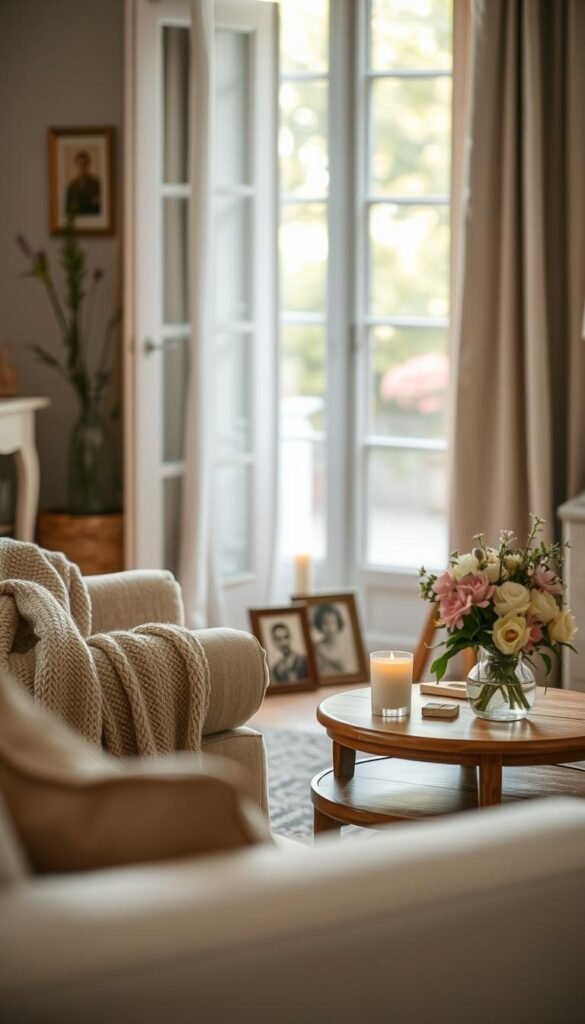
Small, steady habits change daily rhythms. When surfaces are clearer, making breakfast or answering the phone becomes gentler. The house feels more inviting and less frantic.
“Letting an item move on can be an act of kindness—to the object, the giver, and to yourself.”
- Sentimental pieces hold emotions and memories of people and seasons; handle them gently.
- A soft routine helps curb clutter so your home supports rest and ease.
- Passing things along or scanning photos gives items a new life and keeps the story alive.
Over time, these choices help your home hold you. Small acts add up to a steadier, kinder life.
Gentle step-by-step rituals to start your Emotional Declutter
Pick one gentle corner to start; small beginnings build steady change. This approach keeps the work soft and clear.
Choose a small, kind project—one box, one shelf, or a cozy corner. Keep the scope tiny so the room stays calm.

Gather and see what you truly hold
Bring all related items into one peaceful spot. Seeing them together makes decisions easier.
Set soft boundaries
Use a single box or a favorite few to limit what stays. A clear boundary helps the space breathe.
Use a quiet timer for focused minutes
Set 20–30 minutes and move slowly. Let the minutes guide you without rush.
Sort with purpose
Decide gently: keep what you use, donate, sell, or recycle the rest. Let purpose, not pressure, steer each choice.
Offer quick goodbyes
If you’re ready to get rid of things, plan a same‑week drop‑off to Goodwill or St. Vincent de Paul, or list items on the eBay app. This helps your room exhale and closes the small ritual.
| Mini Ritual | Time | Outcome |
|---|---|---|
| One shoebox sort | 20 minutes | Clear focus; keeps items under a limit |
| Single shelf sweep | 30 minutes | Visible change; better use of space |
| Paper/photo scan | 25 minutes | Save memories; reduce piles |
When your energy dips, pause and return later. This is steady, heart-aware work, and your pace is enough.
Optional mini-rituals to make space feel warm and easy
A short, soothing practice helps your space feel ready and kind. These mini-rituals are optional ways to move at your own pace and protect gentle energy while you sort.

A warm cup moment: breathe, sip, and begin
Hold a warm cup and notice one slow breath before touching any items. Let any feelings soften for a minute so choices come from calm, not rush.
Digital sunset: silence notifications
Try a brief digital sunset by silencing alerts for a set time. A quiet phone makes the space easier to focus in and reduces mental noise.
Slow journaling: honor the memory without the object
Write two or three gentle lines about a piece you love. This keeps the story while freeing your home of extra things.
The 10‑minute reset: tiny progress that lightens the room
Set a timer for ten minutes and clear one small surface. These short, focused minutes add up and make steady change feel manageable.
- Photo before release: Take a quick picture of a meaningful item to preserve its memory while easing clutter.
- Keep tools simple: a basket, two bags, and a soft cloth for easy sorting.
- End each mini-ritual by returning the space to calm so your home remains restorative.
Repeat these small ways when you have the time and energy. Over days and weeks, they gently change how your life and home feel.
What to release: rushing, pressure, and perfection
Letting go sometimes begins with choosing a slower pace and kinder expectations.
Let go of rushing
Your process can be slow and kind. Release the fear that you must finish quickly. When you give yourself time, choices come clearer and feel less urgent.
Set down the pressure
You decide what “enough” looks like for your life. Defining that boundary helps solve the common problem of overwhelm.
Goodbye perfection
Embrace imperfect, steady progress. Let small steps reduce the weight of strong emotions and shifting feelings as you work.

- Release the fear to rush; your time is yours and a slow process is a good way.
- Shrink big tasks when a problem feels too large for today.
- Celebrate tiny wins; they add up and change your way of living.
“Trust your timing. Some choices are ready now, some later—both are okay.”
| What to Release | Practical Step | Gentle Result |
|---|---|---|
| Rushing | Set a 20-minute timer for one small task | Less anxiety; clearer choices |
| Pressure to keep | Define what “enough” means for one shelf | Fewer decisions; calmer space |
| Perfection | Allow a “good enough” pile for later review | Steady progress; lower stress |
Soft supports and safeguards for tender items and tough moments
A few steady supports make hard choices feel less heavy. Use gentle rules and clear steps so your space can change without cruelty.

Three calming rules to guide decisions
Every item has a home. Give each thing a proper place so it isn’t living in a pile.
Keep only what has a current purpose. If an item no longer serves you, let its season end.
Plan a timely exit. Schedule a pickup or drop-off so the letting go actually happens.
Invite gentle company
Ask a trusted friend or a professional organizer to sit with you. Their steady presence can make choices easier and kinder.
New life for old things
- If a gift doesn’t fit, honor the intention and let it go to someone else who will use it.
- Choose donation paths like Goodwill, St. Vincent de Paul, or local Buy Nothing groups so items avoid the trash.
- Sell with simple photos on eBay or Facebook Marketplace and release the piece promptly.
- Recycle responsibly: TerraCycle boxes, textile drop-offs, and certified e-waste programs help objects move on safely.
“Gentle rules and a trusted companion turn a hard task into a manageable one.”
Emotional Declutter journaling reflections
Open a small page in your notebook and let one memory arrive. Write a few gentle lines about why it matters. A short paragraph can keep a story alive without holding the object itself.

Prompt: What memory do I want to keep—and how can I hold it in words or a photo instead of an object?
Photograph the piece, then write two or three sentences explaining its meaning. This preserves the story and frees physical space.
Prompt: If I kept only what fits in one small box from this season, what would lovingly remain—and why?
Choose a shoebox or a small box as a limit. Place only items that carry true sentimental value for you or your family.
- Write about the memories you most want to hold; a photo plus a few lines can replace many objects.
- Use the one‑box idea as a loving boundary and pick the things that matter now.
- Include one example in your journal: name one piece, note why it captures a season, and how you will honor it.
| Practice | How | Result |
|---|---|---|
| Photo & note | Snap an image; write 2–3 lines | Memory kept; less clutter |
| One‑box limit | Choose a small box and add only essentials | Clear boundary; kinder choices |
| Legacy check | Ask if an item kept for years still serves | Decide to keep, photograph, or pass on |
Conclusion
A single kind choice can shift how your house holds you.
Notice which emotions and feelings feel softer after a small task. A short, timed session can reduce clutter and make the room calmer without pressure.
Pick one item or one small box, give each thing a clear purpose or plan to get rid of it this week. Scan photos or jot a sentence to keep memories, and send usable stuff to donation so it serves someone else.
Return in tiny windows of time, invite family when you need help, and choose steady, gentle ways to handle closets, toys, or old objects. Over months and years, these small steps change your home into a calmer, kinder space you want to live in.
FAQ
What is a gentle seasonal clear-out and how do I start?
A gentle seasonal clear-out is a calm, intentional way to make room in your home and life. Begin with a warm drink, soft light, and choose one small project—one box, shelf, or corner. Set a quiet 20–30 minute timer and sort slowly into keep, donate, sell, or recycle, guided by how each item makes you feel.
How do I handle items with strong memories or sentimental value?
Honor the story behind the item, then ask whether the memory needs the object. Consider photographing the piece, writing a short note, or keeping a single small item that represents the memory. This preserves meaning while freeing physical space.
What practical rules can help me avoid getting overwhelmed?
Use three calming rules: every item should have a home, serve a current purpose, or be ready for a timely exit. Limit decisions with one box or a defined space, invite a trusted friend when needed, and break work into short sessions to keep momentum without pressure.
How can I make the process feel less like chore and more like self-care?
Add mini-rituals: a warm cup to begin, silence notifications for a digital sunset, a few lines of slow journaling to honor memories, and a 10‑minute reset to celebrate small wins. These touches make clearing feel soothing rather than stressful.
What do I do with items I want to donate or sell?
Sort donations into a ready-to-drop box and plan a same-week drop-off so items don’t linger. For selling, photograph clearly, write honest descriptions, and list on local marketplaces like Facebook Marketplace or OfferUp. Recycle responsibly for unusable goods.
I worry I’ll need something “someday.” How should I decide?
Give “someday” a limit: if you haven’t used an item in a year and it has no current purpose, it’s likely safe to let go. Keep a small “maybe” box for 3–6 months; if you don’t retrieve items, pass them on. This balances caution with clearing space.
How do I sort kids’ toys and gifts without hurt feelings?
Include children in gentle, age-appropriate choices. Offer an exchange: one new toy in, one older toy out. Create a memory box for sentimental gifts and donate playable items in good condition. Frame the process as sharing rather than loss.
Can I reuse sentimental objects in new ways?
Yes. Repurpose fabrics into pillows, turn small pieces into a photo collage, or store letters in a labeled keepsake box. Giving items new function keeps their story alive while reducing clutter and creating purposeful spaces.
What if I feel stuck or anxious during the process?
Pause and breathe. Use a short journaling prompt—name the memory and describe why it matters. Invite gentle company: a friend or professional organizer for steady support. Remind yourself progress, not perfection, is the goal.
How often should I repeat this practice?
Aim for a seasonal rhythm—every three months—or a quarterly mini-reset. Short, consistent sessions prevent buildup and keep your home feeling lighter. The 10‑minute reset after a busy week helps maintain momentum between deeper sessions.