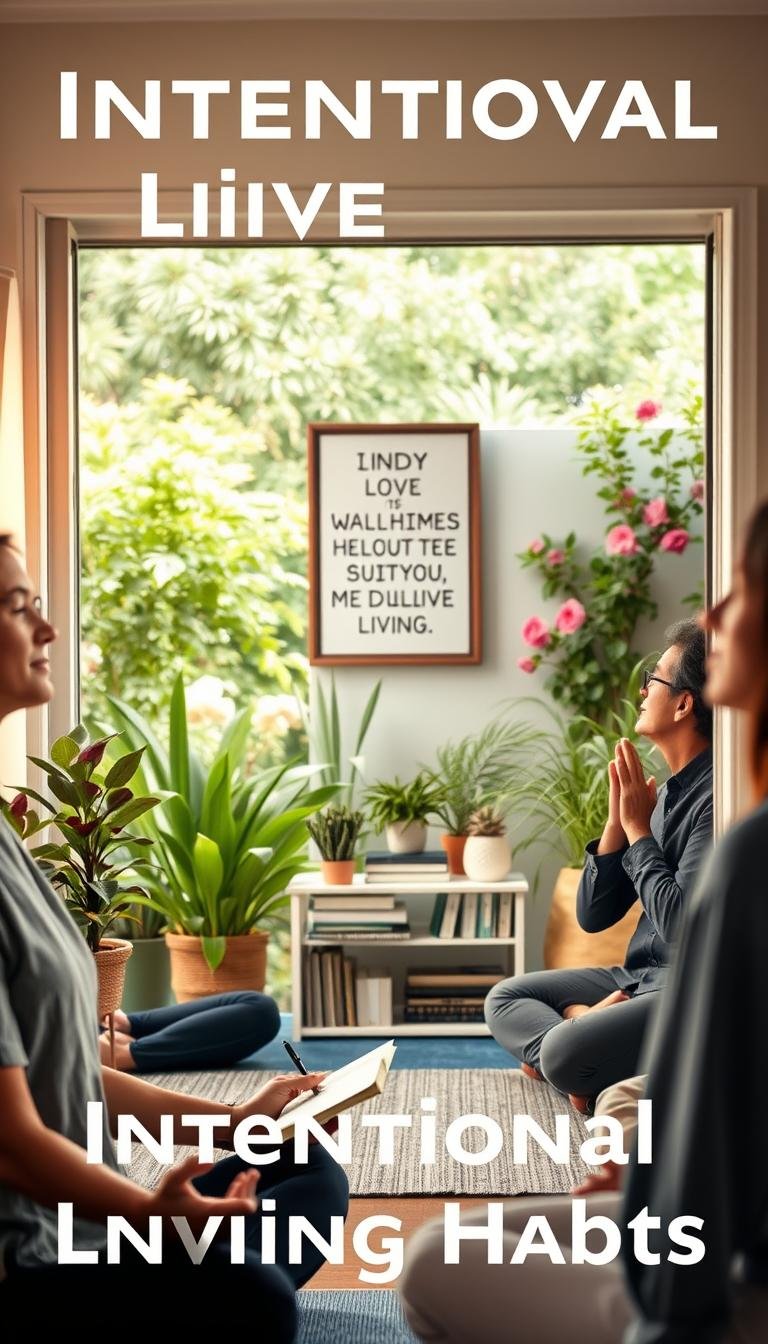

How to Create an Intentional Daily Rhythm
Soft light spills across the floor. You cradle a warm cup and take a quiet breath. This small, gentle moment can help you start day with calm instead of rush.
Think of a daily rhythm as a tender scaffold for living at home. It is not a strict plan but a few small anchors that hold your day more lightly.
Simple touchstones— opening curtains slowly, dimming lamps at dusk, or a five-minute pause between tasks—signal shifts without pressure. Attach a tiny habit to a simple cue, like breathing while the kettle boils, and it stays kind and steady.
These rhythms change with the seasons of life. Let them stretch or contract as needed. Ask yourself, How do I want today to feel? Then pick one gentle practice that moves you there.
We will walk a cozy, supportive path ahead: soft rituals for mornings, midday pauses, and an evening wind-down. There is no perfect way—only care for your energy and space.
Key Takeaways
- Start with small, comforting moments to orient the day.
- Use gentle anchors to make rhythms feel natural at home.
- Attach practices to cues so they become easy habits.
- Adjust rituals with the seasons of your life.
- Prioritize presence over completing tasks.
A Soft Welcome to a Cozier Day

Morning light slips in slowly, and the house breathes with you.
Steam curls from a warm cup. A quiet table waits. These tiny moments become gentle anchors for your day at home.
Choose one small welcoming practice: straighten a small surface, open a window, or light a soft candle.
“Even two minutes of quiet can re-center you when life feels full.”
Make space for midday calm: try a no-screen lunch at the table. Notice how time stretches when you give it breath.
- Hush before breakfast—soft light, steam, a slow start.
- Afternoon pause—step away from screens and savor a simple meal.
- Evening comforts—dim lamps, a soft blanket, a gentle wind-down before night.
| Moment | Simple Anchor | Why it helps |
|---|---|---|
| Morning | Warm cup & open window | Signals calm and invites presence |
| Midday | No-screen lunch | Creates breathing room in a busy schedule |
| Evening | Dim lights & small reset | Helps night feel tender, not rushed |
These gentle ways fit many kinds of life. They leave room for play, children, and the unexpected. Keep the plan a whisper, not a rule, and let your home and time feel kinder.
Why an Intentional Daily Rhythm Matters Emotionally
Soft patterns in your day give you a gentle place to land when life feels loud.

Feeling held: ease, presence, and gentle connection
Small, repeatable rhythms often feel like being held. They create soft moments that invite ease and presence when the day gets noisy.
Brief pauses of five to fifteen minutes—morning, noon, afternoon, and evening—offer reset points. A quick journal line or a quiet breath can change your mood and your choices.
Look at your whole life when shaping these practices. Ask what you need physically, emotionally, mentally, and spiritually. Then choose tiny actions that meet those needs.
- Make room for rest so relationships deepen and patience grows with children.
- Let rhythms evolve with each season life brings; this keeps them kind, not rigid.
- A simple breath before speaking can be more useful than a perfect plan.
| Pause | When | Emotional Benefit |
|---|---|---|
| Two-minute breath | Before a meeting | Calms attention, reduces reactivity |
| Five-minute journal | Midday | Names feelings, restores perspective |
| Quiet cup | Evening | Offers rest and gentle connection |
“Tiny, repeatable moments keep you present and steady throughout the day.”
A Softer Framework: Rhythms over Rigid Schedules in the present
Let your day be guided by gentle windows of time rather than strict clockwork.

Windows, not timestamps: plan soft ranges for each part of the day so things can shift without stress. Think in blocks that span a little time, not exact minutes. This makes space for children, errands, or unexpected pauses.
Windows, not timestamps: adapting to your season of life
Use visual cues like movable cards to see the flow of a week. Let a block be morning, midafternoon, or early evening so you can respond with ease.
Adjust the plan each week to match your season life. When you loosen the clock, the plan becomes kind instead of rigid.
Small anchors that steady your day without pressure
Choose small transitions that look like simple rituals—open curtains, a short stretch, or tidy one surface. These anchors keep order over the clock.
- Loop recurring tasks (laundry, reading) across the week instead of forcing one long block.
- Include light home care and easy meal prep as part of the flow.
- Hold margins as sacred space so missing a block never feels like failure.
Slow, Gentle Steps to Begin, Move Through, and Close Your Day
Slow steps can shape how your day unfolds—from first light to quiet night.

Morning
Open the curtains slowly and let soft light arrive. Sip something warm and ask one quiet question: How do I want the day to feel?
Choose one small care practice before breakfast. Write a single intention, stretch for a minute, or read a line that steadies you.
Keep a tiny reset by the door or counter so the first part of the day feels clear and friendly.
Midday
Take five minutes to pause—no scrolling. Breathe, refill water, or step outside and let the afternoon be a gentle exhale.
Sit for a warm lunch at the table, even briefly. Notice flavor and texture to bring yourself back to the present.
If it helps, play soft music and tidy one small area. A little movement can open room for fresh attention and play.
Evening
Dim lights early and let screens fade so night arrives softly. Choose a simple reset—wipe the table, fold a throw, or set out tomorrow’s mug.
Close with tenderness: a light stretch, two lines of journaling, or a quiet read. These small acts invite rest without pressure.
Quick ritual summary
| Part of day | Simple step | Why it helps |
|---|---|---|
| Morning | Open curtains, warm drink, one intention | Sets tone and helps you start day with calm |
| Midday | Five-minute pause, warm lunch at table | Creates breathing room and restores focus |
| Evening | Dim lights, small reset, brief closing ritual | Signals rest and prepares you for night |
Optional Mini-Rituals to Weave Into Your Daily Rhythms
A few gentle mini-rituals give the day tiny invitations to slow and breathe. These are optional, low-pressure ways to mark time and bring more calm to your home life.

Warm cup moment
Tea, coffee, or broth held between your palms can steady the breath. Let warmth settle in your hands and use that pause to notice the present.
Digital sunset
Choose a soft boundary for screens in the evening. Dim lamps, play quiet music, and let night arrive without the glare of devices.
Slow journaling
Write two lines of gratitude or a short brain-dump. One sentence can clear the mind like closing a small book and make room for rest.
The 10-minute reset
Set a light timer for ten minutes: tidy the nearest surface, soften the lighting, and add a song if you like. Small things shift the feel of a room with little effort.
- Attach each mini-ritual to a habit—kettle boiling, setting the table, or brushing teeth—so it flows naturally.
- Keep these practices flexible and playful; weave them in or out as part of your own rhythm.
Intentional Daily Rhythm for Home, Work, and Family Life
A gentle end to the workday and simple cues for kids create calm in a busy home.
Small transitions help separate work and family time so evenings feel restful, not rushed.
For busy workdays: close your laptop with intention, stand for a slow stretch, and take a short walk to mark the shift from work to home. Keep a no-screen lunch—sit at the table, taste your food, and let your eyes rest before returning to tasks.
For moms and caregivers: plan playful afternoons with margin. Offer unstructured play, a quiet corner for rest, and a gentle reset before dinner. Protect a few minutes for yourself each afternoon to return to care from a steadier place.

For kids and teens: use simple visual rhythms they can move—rhythm cards or a board. Focus on order over the clock and allow boredom as a seed for creativity. Anchor parts of the day with a reading basket, outside play, or a handcraft.
For empty nesters and midlife: choose a weekly pause—a tea check-in or a slow walk—and pick a gentle hobby like knitting. Let the schedule flex and hold plans with open hands.
- Keep responsibilities visible but light.
- Include a little outside time throughout day.
- Hold margins so the plan stays kind, not strict.
What to Release: Letting Go of Rushing, Pressure, and Perfection
What if your day was guided by gentleness instead of a strict schedule? Letting go of haste and white-knuckle plans gives you space to breathe. Start by naming the ways pressure shows up in your life and then offer yourself one small, kind change.
From “all or nothing” to kind, flexible rhythms
From “all or nothing” to kind, flexible steps
All-or-nothing cycles often end in frustration and a sense of failure. Missing one part of the plan is not proof you failed. It is a signal to soften and try again.
- Give yourself permission to slow down—rest is not something you earn. It is care.
- Drop the heavy schedule mindset and make a friendly list of small options that fit today.
- Do a quick weekly or monthly check-in to see what needs to change this season.
- Ask: what support does my life need now, and what can gently wait?
Journaling prompts
Prompt 1: What can be softer in my mornings and evenings?
Prompt 2: Which one responsibility can I hold more lightly this week, and what would that look like in my day?
“Leave a little room for nothing — watch how the day loosens its grip.”

Conclusion
Let small choices shape how your day feels, not a long list of demands. A gentle daily rhythm can be as simple as a breath at breakfast, a lamp dimmed in the evening, or a no-screen lunch at the table.
Adjust these patterns as the season of your life shifts. Attach tiny rituals to things you already do—kettle, cupboard, or the start of an afternoon—to make them stick without pressure.
For family life, use visual cues for kids and children, protect a weekly pause, and let mornings and play flow with the week. At work and home, soft boundaries help time rest feel real.
Choose one small anchor for tomorrow—curl up with a book after breakfast or set a lamp low tonight. May moms and caregivers find space to exhale. Small things, practiced with care, become the steady way your days hold you.
FAQ
How do I start creating an intentional daily rhythm without feeling rigid?
Begin with one small anchor each day—a morning cup, a five-minute pause midafternoon, or a simple evening reset. Treat these as flexible windows rather than strict timestamps. Notice what helps you feel calmer and repeat it, adjusting as seasons of life change. Keep expectations low and permission high.
What does a softer approach to schedule look like in a busy household?
Use broad blocks instead of detailed minutes: morning wake-up, midday play or work window, afternoon rest, and evening wind-down. Add visuals for kids—simple pictures or a chalkboard—and carve out a no-screen lunch and a short end-of-work transition to bridge home and responsibilities.
How can I protect pockets of rest during workdays?
Schedule a clear end-of-work ritual—close your laptop, change your scenery, stretch for two minutes. Block a no-screen lunch and a five-minute breathing break midafternoon. These small pauses anchor your day and reduce rumble between tasks without cutting into productivity.
My mornings feel chaotic. What small changes help them feel gentler?
Start with soft light, one calm activity, and a brief intention for the day. Try a warm cup, two minutes of breathing, or writing two lines of gratitude. Prep the night before—lay out clothes, pack lunches—to free more space for a quiet start.
How do I wind down at night when my household is noisy or schedules clash?
Create overlapping, low-demand rituals: dim lights, a shared tidy for ten minutes, and a short device-free window before bed. Use softer signals—lamps or music—instead of demands. When bedtime varies, build personal micro-rituals you can do alone to signal rest.
Can these rhythms work for moms and caregivers with unpredictable days?
Yes. Favor flexible windows and micro-rituals over strict routines. Plan playful afternoons with built-in margin, keep a 10-minute reset for transitions, and choose anchors that are portable—like a warm cup or a two-line journal—to preserve calm amid unpredictability.
How do I introduce rhythms to kids and teens without nagging?
Offer simple, visual cues: a morning checklist, a quiet corner for reading, and a family table time for lunch or dinner. Give teens choice within a framework—let them decide the evening ritual they prefer. Celebrate small wins rather than policing every minute.
What if I fail to keep a rhythm one day or a week?
Treat slips as information, not failure. Notice what disrupted the flow and make one tiny adjustment. The goal is steadiness over perfection—gentle consistency wins. Return to your smallest anchor and build from there.
How do I adapt rhythms when seasons of life change—new baby, job shift, or empty nest?
Shift from timestamps to windows that match your current season. Shorten or expand anchors as needed and swap out rituals that no longer fit. Prioritize rest and connection points: a quick morning cup, a midday breathing break, or a weekly pause for hobbies.
What are simple mini-rituals to add that won’t feel like extra work?
Try a warm cup moment, a two-line gratitude journal, a digital sunset (30 minutes away from screens), or a 10-minute soft tidy with music. These take little time but create steady emotional support throughout the day.
How do rhythms support emotional wellbeing?
Gentle routines create predictability, ease, and a sense of being held. Regular small pauses reduce stress, make transitions softer, and help you stay present with family and work. Over time, these habits build more calm and clearer boundaries.
How can I keep my rhythms from feeling like another to-do list?
Frame them as care, not chores. Choose rituals that feel nourishing—soft light, warm drinks, brief journaling. Limit the number of anchors and allow flexibility. If a ritual stops feeling good, replace it with something simpler and kinder.