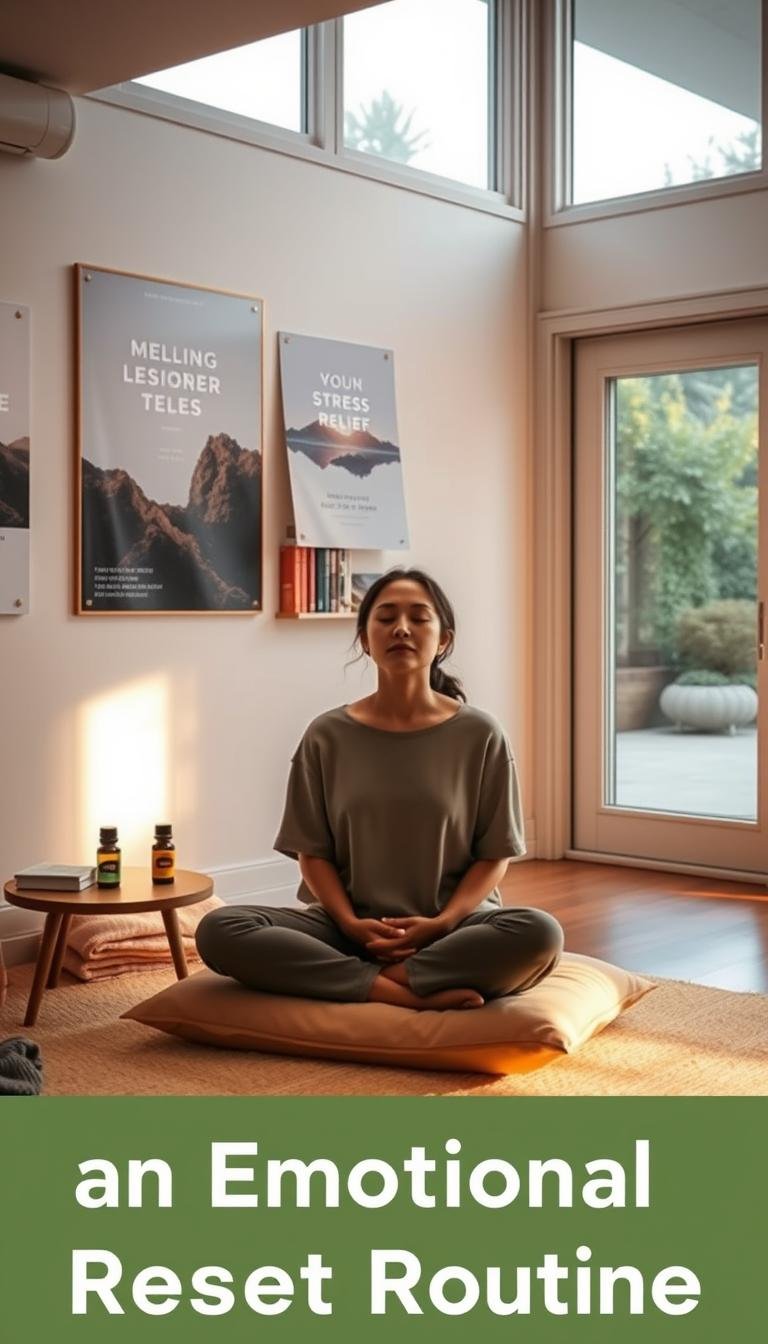

Low-Energy Self-Care Ideas
Morning light slips through the curtains. You wrap a soft blanket around your shoulders and allow a slow, steady breath. This is permission to go gently.
Take a small moment for yourself. Sit with a warm cup or a cold sip, play one favorite song, or simply rest your eyes for two minutes and notice your breath. These tiny acts ask very little time but can steady the mind.
When energy feels thin, choose one simple thing: hug a pillow, send a heart emoji, or look at a sweet photo. Each small move offers care without pressure and meets life exactly as it is.
For people needing calm, these tiny rituals bring comfort and a soft reset. Speak kindly to yourself, change into cozy socks, or switch on Do Not Disturb for ten minutes. Let thoughts settle like leaves on water.
You are allowed to do nothing and still be enough. Move slowly through this guide and pick only what feels doable today. These gentle steps are here to soothe, not to fix.
Key Takeaways
- Rest is a need, not a luxury.
- Small actions bring quick relief when energy is low.
- Choose tiny moments that match your mood and time.
- Comforting rituals help calm the mind and soften thoughts.
- There is no right way—permission and tenderness matter most.
A soft beginning: settle into a quiet moment of care
Soft light, a warm mug, and a slow breath mark the start of a gentle pause. Sit where you feel held. Let the room quiet for a few seconds and notice the weight of your hands around the cup.
Give yourself permission to rest. Turn on Do Not Disturb for ten minutes to create a small pocket of support. Close your eyes for two minutes and follow a calm, steady breath.

“One slow inhale and a longer exhale tells your body it is okay to soften.”
Hug a pillow or wrap your arms around yourself for steady, soothing pressure. Let gentle mindfulness be simple: notice warmth on your palms, the hum in the room, or the light at the lamp.
- Soften lights, settle into a cozy spot.
- Set down pressure and match your pace to how you feel.
- Focus briefly on one sound or one sight to ease restless thoughts.
| Action | Duration | Effect |
|---|---|---|
| Do Not Disturb | 10 minutes | Immediate pocket of calm and support |
| Eyes closed breathing | 2 minutes | Settles thoughts and soothes feelings |
| Pillow hug | As long as needed | Adds gentle physical comfort |
Finish this arrival with one slow inhale and a longer exhale. Let comfort arrive without effort. Take your time; this moment is yours.
Understanding low-energy days with compassion
Your battery can dip without warning; treat that dip as a quiet request for softness. This is not a failure. It is a note from your body asking for simpler care and kinder pacing.
Body signals: honoring fluctuating energy, rest, and simple nourishment
Notice small cues. Tight shoulders, heavy limbs, or a slow appetite are ways the body speaks. A sip of water, a soft sweater, or a gentle stretch can answer that signal without strain.
Mind and emotions: easing overwhelm with tiny, present moments

When the brain feels foggy, try one brief act to ease the load. Say a single sentence out loud or jot a few words on paper. This lightens thoughts and makes space for calm.
Culture and pace: releasing the pressure to “do more”
Many people carry quiet stress and guilt because culture prizes constant output. Let go of that voice for a day. Choose small movement—rolling shoulders in bed or slow neck turns—so movement helps rather than drains.
“Rest is not a reward to earn; it is a basic kind of support we all need.”
- Reframe low energy as the body’s natural language.
- Tend to whispers with tiny comforts.
- Allow emotions to be present without fixing them.
| Signal | Gentle Response | Effect |
|---|---|---|
| Heavy limbs | Lay down, soft stretch | Reduces tension |
| Foggy brain | Say one sentence aloud | Lightens thoughts |
| Quiet guilt | Give permission to pause | Eases stress and supports mental health |
Why this gentle routine matters emotionally
Some gentle routines quietly steady the heart and soften a busy mind.

Validating how you feel reduces the loop of self-criticism and helps calm racing thoughts.
Choosing kindness over criticism on hard days
Choose warmth instead of harshness. When guilt or pressure arrives, a small ritual offers real support and a kinder frame for your mood.
- Gentle routines replace guilt and pressure with steady patience and emotional support.
- Simple acts protect mood and honor mental health when life feels heavy.
- Treating care as a quiet form self-care creates a humane form and an easy way back to yourself.
- Tiny pleasures—one song or a familiar scent—can lift life without calling for big effort.
“Let the routine whisper that you are doing enough.”
Low-Energy Self-Care Ideas you can try at home
Pick one tiny, kind action that fits the moment and let that be enough. These are gentle, low-effort activities you can do in minutes to steady your mood and body.

Lie down and let one favorite song hold you
Recline for a single track. Let the music soften your breath and lower the edge of the day.
Hug a pillow or blanket for steady comfort
Wrap the weight around your chest. The steady pressure feels safe and calm.
Sip a cold drink in small sips
Notice the coolness and slowing rhythm. Tiny sensory shifts can improve mood.
Send a single heart to a friend
A small reach across the phone keeps connection easy and light.
Turn on Do Not Disturb for ten minutes
Give your nervous system a pause. Let notifications stop so you can rest.
One small thing is enough for today.
Slow, step-by-step rituals for a calmer day
A few gentle steps can help your body and mind settle without pressure. These small rituals ask little time and invite care that feels doable right now.

The two-song rest
Choose two calming tracks. Recline and let minutes pass as your body meets the surface.
Keep eyes soft and breathe slowly. Let the music soften the room and ease tension.
The cozy reset
Slip on a soft sweater and hold a warm mug. Take unhurried, mindful sips.
Notice heat in your hands and how comfort rises from the inside out.
The quiet body wake-up
Stay in bed and circle ankles, roll shoulders, and turn the neck gently.
Small movement like this wakes the body without strain.
The mindful minute
Try one minute of meditation-lite: inhale softly, exhale a touch longer.
Notice light and sound. If a full minute feels like too much, start with a few breaths.
Let ritual be flexible—if the first step feels enough, it is complete.
| Ritual | Suggested minutes | Simple effect |
|---|---|---|
| Two-song rest | 5–10 minutes | Soothes mind and lowers tension |
| Cozy reset | 3–8 minutes | Warms body and calms nerves |
| Quiet body wake-up | 2–5 minutes | Gentle movement and increased circulation |
| Mindful minute | 1 minute | Grounds attention and steadies breath |
Optional mini-rituals to ease time and energy
Small, optional acts help time feel kinder and more manageable. Choose any of these gentle rituals when you want a brief pause. Each one is short, low-effort, and meant to offer quiet support.

Warm cup ritual
Hold a favorite mug and take mindful sips. Feel the heat in your hands and notice scent or steam. This is a soft, sensory way to ground the next few minutes.
Tip: close your eyes for one full inhale and calm exhale between sips.
Digital sunset
Set your phone to Do Not Disturb and lower screen brightness. Let devices wind down a few minutes before bed to protect evening health.
Tip: pick a 20-minute window or shorter to start; treat it as a gentle experiment not a rule.
Slow journaling
Write one tender line about what feels true today. A tiny list of three words also counts and honors your inner weather.
Tip: keep a small notebook by your mug or bed for this simple act of mindfulness.
Ten-minute reset
Set a timer for ten minutes and do one small task—fold a few clothes or rinse a cup. When the bell rings, stop and rest.
Tip: pair this with soft music or a candle to make the activity kinder, not harder.
“A short ritual asks for little but can give a steady, calming return.”
| Ritual | Suggested minutes | Simple effect |
|---|---|---|
| Warm cup | 3–7 minutes | Grounds senses and offers calm support |
| Digital sunset | 10–30 minutes | Improves evening health and lowers screen tension |
| Slow journaling | 1–5 minutes | Clarifies feelings and invites mindfulness |
| Ten-minute reset | 10 minutes | Provides contained task time and clear rest |
What to release: gentle goodbyes to rushing, pressure, and perfection
Let haste fall away and give yourself permission to move in softer rhythms. Today can take a calmer way that matches how you feel.

Let go of rushing
When stress nudges you to hurry, slow one step. Breathe first. Then do a single small task.
Choose a rhythm that fits your day and eases the nervous system. This gentle choice lowers strain and invites steadier energy.
Set down pressure
Reframe “enough” as very small and kind. Tiny wins protect health and support mental health.
Use short boundaries like Do Not Disturb or a polite “not now” to keep your energy for what matters most.
Loosen perfection
Perfection asks the brain to compare nonstop. Meet those thoughts with curiosity, not judgment.
Let presence replace performance. A small, honest step is better than waiting for flawless results.
Release guilt
Guilt makes rest feel earned instead of needed. Name it and offer care instead of blame.
Honor people who are doing their best. Remember that taking care can be one tiny kindness at a time.
“Rest is a necessary form of care, not a reward.”
| Old Habit | Gentle Replacement | Simple Effect |
|---|---|---|
| Rushing through tasks | One small task at a time | Reduces stress and steadies pace |
| Always striving for perfect | Finish with “good enough” | Protects brain energy and focus |
| Feeling guilty for resting | Say “I need a break” | Supports health and mental health |
Let these gentle goodbyes reshape the way you move through life. Small changes can change things for the better.
Soft reflection prompts for the mind and heart
Find a small, quiet place and give yourself five minutes. These prompts are gentle and meant to guide your thoughts toward comfort, not to fix anything.

Prompt: What would feel comforting for the next five minutes?
Write one line as an example. It might be: “I will sit with a warm cup and breathe.” A single sentence can ease the mind and clear a small corner of your day.
Prompt: If I offered myself the gentleness I give a friend, what would change right now?
Answer in one line. Name one tiny next step that would cost the least energy. It could be a hug, a phone heart, or closing your eyes for two slow breaths.
- Tip: Pair this short reflection with a warm cup or a candle for added support.
- Ask a friend for soft company or send a heart emoji if you want gentle contact.
- Notice what would feel like the least-effort next step to care for your energy and life today.
“Answering one prompt is plenty; small naming can ease guilt and quiet anxiety.”
Conclusion
This quiet moment is a kind place to notice one small form of care that fits you today. Choose a single thing—one song, one two-minute breath, or a short pause—and let that be enough. These tiny choices reshape the way you move through work and life.
Your body and brain respond to short, gentle acts. A breath-based meditation can improve mood and steady thought with almost no effort. Mindfulness and soft attention are real tools you can try at home.
Two friendly tips: keep activities short and kind, and let exercise be soft movement when energy is thin. Support for health and mental health often looks like quiet boundaries, warm cups, or fewer items on the list.
If anxiety or depression lowers your energy, small, tender steps still count as care. Thank you for being here. May you find one gentle form that fits today, and let the rest wait until it feels right.
FAQ
What counts as gentle care when you have little energy?
Gentle care means tiny, doable actions that soothe your body and mind. Think resting with a favorite song, sipping a cold drink slowly, or wrapping yourself in a blanket. These small moves focus on comfort instead of productivity and help reduce stress without draining energy.
How long should each small self-kindness take?
Aim for a few minutes. Many options work in two to ten minutes — a quick breath practice, a short stretch in bed, or sending a single heart emoji to a friend. Short rituals add up and feel less overwhelming than long tasks.
Can sensory cues really improve mood when I feel low?
Yes. Simple sensory actions — chewing gum, smelling a familiar scent, or changing into fresh socks — provide grounding signals to the brain. They interrupt rumination and give your nervous system a gentle nudge toward calm.
I feel guilty resting. How do I let that go?
Remind yourself that rest is a basic need, not a reward. Replace self-criticism with kindness: treat yourself as you would a good friend. Start with one tiny permission, like doing nothing for two minutes, and notice how it supports your mood and focus.
What if I can’t sleep but feel exhausted?
Try low-effort, soothing activities: lie down and listen to a favorite song, practice gentle breathing for two minutes, or look at comforting photos. Avoid bright screens and pressure to “fix” sleep — tenderness often helps rest return naturally.
How can I stay connected without using much energy?
Use low-effort touchpoints: send a short message, a heart emoji, or share a comfort video. Ask a trusted friend for a quick check-in or allow someone to sit with you quietly. Small connections reduce isolation without heavy planning.
Are mini-rituals effective for anxiety or depression?
They can help. Short practices — the two-song rest, mindful sips from a warm mug, or a ten-minute reset — create predictable, soothing moments that lower stress and build tiny wins. For persistent symptoms, pair these with professional support.
How do I create a calming environment at home fast?
Use quick tweaks: switch to Do Not Disturb, dim lights, light a candle or use a familiar scented item, and put on soft music. Changing one element, like a sweater or socks, can make the space feel kinder and more manageable.
What if I don’t feel like doing anything from the list?
That’s okay. Permission to do nothing is itself a valid choice. If action feels impossible, try the smallest option: close your eyes for two minutes, notice your breath, or rest your head back and gaze upward. Tiny shifts still matter.
How can I make these practices part of my routine without pressure?
Keep rituals optional and short. Pick one or two that feel easiest and repeat them on tougher days. Use cues like a mug or a song to remind you. The goal is consistency through kindness, not strict rules or perfection.
When should I seek professional help instead of relying on these moments?
If low mood, anxiety, or fatigue persist for weeks, worsen, or interfere with daily functioning, reach out to a mental health professional or your primary care provider. Gentle home practices help but are not a substitute for clinical care when needed.