

Minimalist Habits for Spring
Welcome to a soft morning: windows open to warm light, a gentle breeze, and a warm cup of coffee in hand. Breathe and notice the hush that makes the home feel a little more spacious.
Set a cozy scene with quiet music and a small toolkit—boxes for keep, donate, unsure, donation and trash bags, reusable cloths, labels, and an eco spray. This simple prep keeps interruptions low and the mood light.
Begin with one surface or a single drawer. Choose two or three items to move, keep, or gift. Each small act is an opportunity to care for your space and your life without pressure.
We’ll use a gentle approach: soft rituals, brief tasks, and kind intentions. Think of it as a short ceremony for your home—no rush, no perfection.
Take a slow breath and promise to move at your own pace. Small refreshes—a pillow swap, a tidy corner, a dusted shelf—can lift the mood and make room for what matters.
Key Takeaways
- Start with a gentle scene: open windows and a warm cup of coffee.
- Prepare a simple toolkit to avoid stopping mid-task.
- Focus on tiny starts—one drawer or surface at a time.
- Adopt a kind, intentional approach rather than rushing.
- Small changes to furniture and accents can brighten a room.
A soft beginning: welcome in light, warmth, and a little more space
Let the morning breathe: lift the sashes, pour a warm cup of coffee, and stand with the light for a quiet moment. This small ritual gives you time to notice what the rooms need before any cleaning begins.
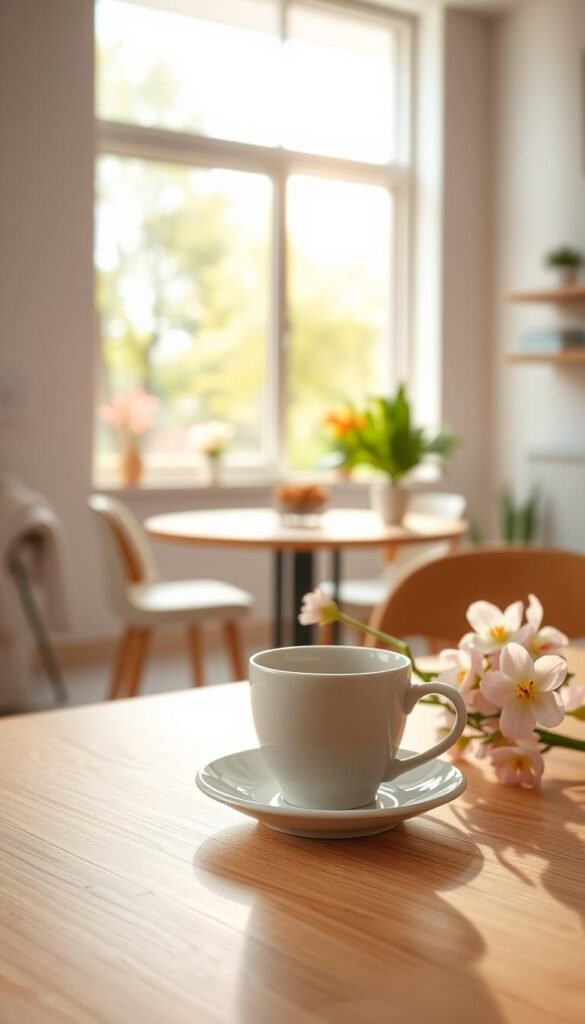
A quiet scene to arrive: open windows, a warm cup, softer air
Open windows to invite fresh air and sound. Set a calm playlist at low volume. Gather a few tools — reusable cloths, a spray bottle, one labeled box, and donation bags — so you won’t stop once you begin.
Offer your family a gentle invitation. A short conversation about why a clearer space matters can turn this into a shared, kind project.
Set a gentle intention for the season ahead
Choose one guiding word — calm, clarity, or ease — and hold it for the morning. Start with a two-minute tidy of the nearest surface: a light wipe, a quick fold, or a small stack of items to pass along.
- Paint a simple arrival: fresh air, warm drink, soft sound.
- Prep one box for items you’re ready to release.
- Invite family roles so everyone helps keep the mood gentle.
| Quick Action | Tool | Emotional Aim |
|---|---|---|
| Open windows | No tool needed | Freshness, calm |
| Two-minute tidy | Reusable cloth, box | Small progress, clarity |
| Family chat | Warm drink | Shared pace, gentle teamwork |
Why these spring habits matter for the heart and home
When your rooms match your values, each step through the house feels softer. This is not a call to empty shelves. It is an invitation to shape a home that reflects the life you want.

Choosing calm over clutter: aligning space with values
Think of minimalism as a gentle philosophy that eases daily choices. Define a clear intention—one guiding word—and use it to filter things and belongings.
Keeping only items that add value reduces decision fatigue. Over the years, small edits add up into lasting comfort.
Small, kind changes that support your day-to-day life
This process honors kindness to yourself. Letting go of a few pieces often creates visible room on counters and in schedules.
- Choose less to welcome more rest and connection.
- Keep treasured items; release excess stuff without guilt.
- Revisit your why when decisions feel sticky.
| Action | Why it helps | Quick result |
|---|---|---|
| Define one intention | Focuses choices | Fewer stalled decisions |
| Edit a surface | Immediate visual calm | Clear counter, clearer mind |
| Save or donate | Aligns possessions with values | More usable space |
| Repeat gentle edits | Builds steady ease over years | Home that supports you |
Minimalist Habits for Spring — slow, simple rituals to get started
Start by gathering a few simple tools so each choice lands in a clear, easy place. This gentle prep helps you get started with a calm mood and steady focus.

Create your cozy kit
Collect labeled boxes (keep, donate, unsure), donation and trash bags, reusable cloths, and markers. Having a home for each decision keeps the cleaning flow smooth and soft.
Start small and kind
Pick one area like a kitchen drawer, a shelf, or a single surface. Set a soft 30-minute timer and pause when you need a sip of water or a breath.
Rules to ease decisions
Use the one-year rule: if an item hasn’t been used in a year, consider letting it go. Try one-in, one-out to prevent slow buildup.
Invite others with care
Share the plan with family. Offer short tasks and a clear why so the work feels cooperative and warm.
- Sort into keep, donate, unsure.
- Pause when time feels needed; return only if it feels good.
- Leave donation bags by the door to follow through easily.
| Ritual | Tools | Time |
|---|---|---|
| Gather cozy kit | Boxes, bags, cloths, markers | 5–10 minutes |
| One area reset | Timer, small box | 30 minutes |
| Decision rules | One-year rule, one-in one-out | Ongoing |
Optional mini-rituals for quiet evenings
When light softens, slow your pace by pairing a cozy cup with one tiny, kind action. These small moments help the day close gently and keep the next morning lighter.

The warm cup wind-down
Choose a warm beverage—coffee or a calming tea—and let that cup mark the end of busy hours. Sip slowly and do one soft cleaning choice, like rinsing a mug or folding a throw.
Digital sunset and soft lamps
Dim screens or put devices away a little earlier. Turn on a lamp with warm light and let the room shift to a quieter rhythm.
Slow journaling with one honest sentence
Write a single sentence about your day or your spring intention. Keep it honest and brief. This small act anchors attention and closes the mental loop.
The 10-minute reset: surfaces clear, breath easier
Spend ten minutes returning essentials to place and clearing key surfaces: the dining table, bedside, or counters. Tiny tasks done nightly make cleaning light and steady.
- Keep tasks tiny: fold one throw, set out tomorrow’s mug, place a book by the chair.
- Make it flexible: pick one idea on busier nights; let the routine shift with your life.
- End with care: breathe, stretch, or simply sit in the calm you made.
A room-by-room spring refresh, the minimalist way
Begin each area with a single shelf or drawer; that tiny start keeps momentum gentle.

Living room
Clear coffee tables and edit displays so the furniture can breathe. Tuck everyday items into woven baskets or hidden storage.
Reduce knick-knacks and keep one or two meaningful pieces on view. This gentle edit makes the area feel calm and welcoming.
Kitchen
Scan pantry dates and decant staples into clear jars. Wipe counters and add drawer dividers to steady daily rhythms.
Deep clean one appliance per month and add contact paper to shelves for easier upkeep. These small acts keep cleaning light over the years.
Bedroom and closet
Choose clothes you truly wear and let others bring joy elsewhere. Slimmer choices lower decision fatigue and lift the room’s calm.
Keep nightstands simple: lamp, book, glass. Store winter layers labeled so seasonal shifts feel easy.
Bathroom
Release expired products, group essentials in small bins, and clean from baseboards up. Sanitize brushes and tools for a fresh reset.
Storage spaces
Pull things out and sort into keep, give away, or toss with soft honesty. Label bins and use pegboards for tools and seasonal toys.
- Light maintenance: a quick wipe of surfaces after decluttering keeps the home tidy without pressure.
- One small reset: finish each room with a tiny ritual so cleaning feels complete and welcoming.
What to release this season + gentle reflection prompts
Begin with one soft question: which small category of things could feel lighter if you edited it this year? Pick clothing, a single closet, or a small box of mixed stuff and set a gentle 15-minute timer.
Release rushing, pressure, and perfection. Let slowing down be the first gift to your life. A kinder pace changes how decluttering feels and helps you make calm choices.
Let go of “just in case” items and “someday” projects
Use the One-Year Rule: if an item hasn’t been used in a year, consider letting it go. A small unsure box helps with tricky decisions; store it for a short time and revisit kindly.
Choose two light edits—perhaps clothes in one closet and a mixed box of stuff. That keeps decisions clear and soft.
Journaling prompts to ground your pace
Try these two prompts for a short reflection:
- “What am I ready to release this season so my days feel softer?”
- “If I keep only what supports me now, what stays?”
Invite a couple or family conversation to set a shared guide. Agree who handles which areas and what feels off-limits. Keep the tone friendly and respectful.
Compassionate release list
- Rushing and perfectionism
- “Just in case” things that haven’t been used in a year
- Projects labeled “someday” that block space
- Three small things from one drawer or two clothes from a closet

Celebrate tiny wins: three items given away, two clothes passed on, a shelf that finally feels like you. Place donations by the door and close with a calm song to mark a soft finish.
| Action | Tool | Time |
|---|---|---|
| 15-minute reflection | Notebook, pen | 15 minutes |
| One-box edit (clothing) | Unsure box, donation bag | 30 minutes |
| Family planning chat | Warm drink, calm tone | 10–20 minutes |
Conclusion
Close this chapter with a gentle promise: one small choice today can change how your rooms feel next month.
Spring cleaning need not be all at once. Pick a shelf, set a short timer, and get started with a tiny task. A few focused minutes, then rest, keeps the process kind and steady.
Keep a yearly rhythm—light quarterly edits and one-minute rules—and let slow effort over months build lasting space. Move a piece of furniture or clear a corner when you want a fresh view.
Celebrate progress. Step outside, breathe in spring, and let the calm you made support your life. There is always another chance tomorrow.
FAQ
How do I begin a gentle spring refresh without feeling overwhelmed?
Start with one small, visible area — a single drawer, a shelf, or the coffee table. Set a soft timer for thirty minutes, open a window, and keep a donation bag handy. Focus on clearing surfaces and creating a calm scene rather than perfecting every corner. This reduces effort and builds momentum.
What should go into my cozy kit before I start?
Pack donation bags, labeled boxes for keep/give away/repair, a few reusable cloths, trash bags, and a marker. Add a playlist or a favorite mug to make the process pleasant. Having tools ready keeps the work low-friction and more likely to happen.
How do I decide what to keep in my closet this season?
Use a practical test: have you worn the item in the last year, does it fit your current lifestyle, and does it bring you comfort or confidence? Apply the one-year rule and the one-in-one-out approach to keep the wardrobe aligned with what you actually wear.
What’s the simplest way to involve family members without creating conflict?
Invite participation with clear roles and a shared why. Offer small, specific tasks — sort toys into a give away box, clear one shelf, or manage donation drop-offs. Keep the tone warm and focus on benefits like more play space or easier mornings.
How long should a session last to stay productive but gentle?
Aim for thirty gentle minutes. It’s long enough to make visible progress but short enough to keep energy steady. Pause when you need and celebrate small wins like a cleared surface or a labeled box ready to go.
What items are easiest to let go of first?
Start with duplicates, unread manuals, expired pantry items, and clothing that no longer fits or suits your life. These choices offer a quick payoff and help build confidence for bigger decisions.
How can I keep the kitchen functional while simplifying it?
Edit pantry staples by grouping like items and removing duplicates, keep everyday tools accessible, and store specialty gadgets out of sight. Wipe surfaces regularly and aim for a few multi-use tools rather than many single-purpose ones.
Any tips for maintaining calm during the process?
Play soft music, open the windows, and make a warm cup to sip while you work. Use short breaks and gentle affirmations. Treat the refresh as a series of small rituals rather than a chore.
What should I do with items I want to give away but feel attached to?
Box them and set a three-month decision window. If they haven’t been reclaimed or used, donate or pass them along. Framing the choice as sharing something useful with someone else can ease attachment.
How do I handle sentimental items without losing them?
Photograph bulky keepsakes, choose one or two meaningful objects to display, and store the rest in a labeled, compact box. Journaling about the item can preserve the memory while freeing physical space.
Can I follow these steps if I have young children or pets?
Yes. Break tasks into short, supervised chunks and involve kids with age-appropriate jobs like sorting toys or labeling boxes. For pets, secure small items and keep cleaning supplies out of reach. Shared routines help everyone adapt.
What are easy evening mini-rituals to support the refresh?
Try a warm cup wind-down, dim lights for a digital sunset, a single honest journaling sentence, or a 10-minute reset to clear surfaces and soften the day’s edges. These small acts reinforce a calmer home.
How often should I repeat these decluttering sessions?
Schedule short sessions monthly and a slightly longer refresh each season. Regular, small efforts prevent buildup and make upkeep manageable throughout the year.
Where can I donate items locally and responsibly?
Check organizations like Goodwill, Salvation Army, Habitat for Humanity ReStore, and local shelters. Many food banks accept pantry staples. Look up drop-off guidelines to ensure items meet each charity’s needs.
How do I balance keeping useful things and letting go of “just in case” items?
Ask whether the item supports a current plan or only a hypothetical future. If a real plan exists, keep it accessible; if it’s for “someday,” box it and reassess in six to twelve months. This gentle honesty trims excess without regret.
What are quick wins in the living room to make it feel lighter?
Clear the coffee table, consolidate remote controls, and create soft storage for everyday items like blankets and magazines. Open sightlines and reduce surface clutter to make the room feel calmer instantly.
How can I maintain progress when life gets busy again?
Keep donation bags visible, maintain a simple routine (ten minutes a day or a monthly session), and use the one-in-one-out rule for new items. Small consistency beats occasional deep cleans.
Are there simple journaling prompts to support letting go?
Try prompts like: “What does a calmer home allow me to do?” or “What feeling do I want in this space?” and “What can I release to make room for that feeling?” One honest sentence can clarify next steps.