
Spring Evening Reset Routine
Step into a quiet room at dusk — low lamplight, a warm cup in your hands, a slow, soft exhale. The light softens. You arrive gently and let the day fall away.
This simple seasonal ritual offers a fresh start without pressure. Small, kind actions—decluttering one surface, swapping heavy bedding for lighter textures, or placing a single vase of flowers—help your home feel like a true resting space.
Change your routines to match the lighter hours: move a walk to later, turn over a wardrobe for the new season, or set one comforting ritual before bed. These shifts make life feel steadier and more aligned with the pace outside.
Keep it simple. Choose one or two touches to begin and add more as it feels right. This is a gentle, supportive pause to welcome calm, rest, and a small, nourishing sense of home.
Key Takeaways
- Small changes at home can create a meaningful fresh start.
- Focus on simple rituals: lighter linens, a tidy surface, a warm cup.
- Shift routines gently to match the season and your daily time.
- Pick one or two comforts first; grow the habit slowly.
- This routine is about softness, not perfection, and meets you where you are.
A soft welcome into spring evenings
As dusk softens, open a window and let the mild air invite a slower kind of living.
The room glows in low light. A warm cup rests in your hands. The air, touched by gentle weather, carries a hush that helps the day unwind.
Notice how this season brings a hint of new energy. Light lingers longer and asks that your routines move with more grace. Small, tender habits—placing a blanket just so or setting a single vase—make your space feel cared for without fuss.

Shift from heavy layers to lighter textiles. Let this be a gentle nod toward summer, not a rush. After school or work, give yourself a few slow minutes to arrive at dusk.
- One tiny ritual: warm herbal tea, dim overhead lights, and breathe.
- Keep habits small and repeatable. Let routines grow naturally into life.
Soft living is about calm choices that make your home hold you while you transition into rest.
Why this gentle routine matters for your heart
A few quiet moments each dusk can gently lift the weight the cold months left behind.
After long winter days, many of us carry a slow heaviness into our minds and home. A tender, small ritual in late light can soften that feeling.
From winter weight to lighter feelings
Simple acts—decluttering one surface, swapping heavy bedding for breathable fabrics, or turning over a wardrobe—nudge energy toward ease. These changes offer real relief without noise.
A safe, quiet space to land at day’s end
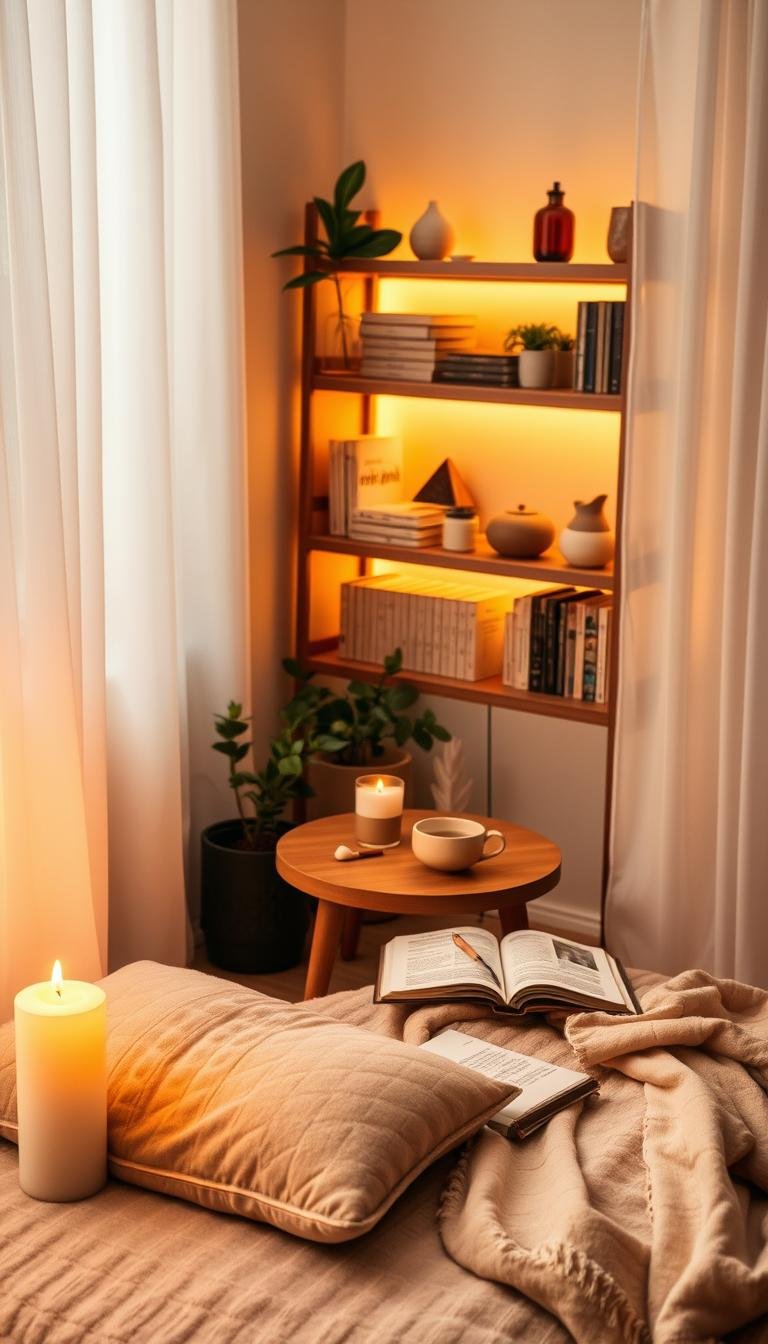
Make a corner that signals calm: dim lamps, a warm cup, uncluttered corners. A consistent, gentle habit helps lives feel steadier and makes room for small emotional shifts.
“A few minutes of stillness can be enough to welcome change without pressure.”
Each year, you can refresh the ritual with tiny edits in texture, scent, or color. Notice how fresh air through a window or the hush of twilight lifts your energy.

Move at your own pace. The heart responds to gentleness and simple, steady habits that honor life rather than chase outcomes.
Spring Evening Reset
Begin your nightly routine by softening the light and choosing one small comfort.
Arrive:
Dim the lights and make a warm cup
Mark the shift from day to night with low light and a simple drink. A mug of herbal tea or warm lemon water signals calm and invites you to slow down.
Unclutter the moment: a two-minute tidy
Pick one surface — a bedside table or a kitchen counter — and spend two minutes clearing it. This tiny habit helps the room feel calmer without overwhelm.

Refresh your senses: open a window
Gently open a window and take three slow breaths. The fresh air clears the space and reminds your body that the day is ending.
Cozy care: soft loungewear and fresh linens
Slip into breathable cotton or linen and pull back lighter sheets. Comfortable textures let your body settle and make your home feel restful.
Unwind the mind: three gentle journal lines
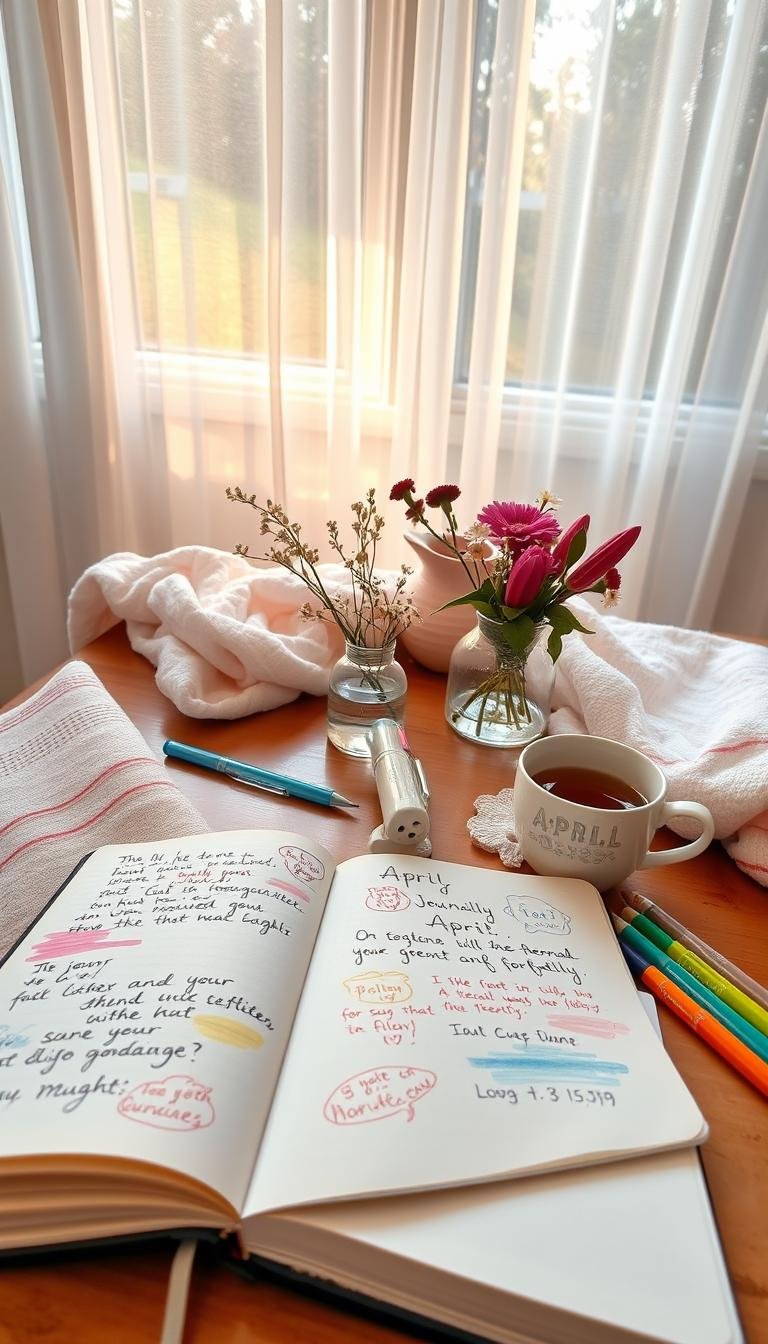
Write just three lines: one grateful note, one small win, and one thing to release. Short entries build a steady habit without pressure.
Settle the body: slow stretches before bed
Finish with a few easy stretches on a soft rug. Move slowly, listen for comfort, and make sure you stop where it feels good.
- Keep the routine minimal: choose two or three steps that fit your time.
- Return to these routines most nights; steady habits make home a steadier place to land.
Optional mini-rituals to sprinkle into your night
Tiny rituals, chosen with care, help the mind settle without adding pressure. These ideas are optional and easy to try. Pick one or two that fit your time and skip the rest without guilt.

Warm cup ritual: herbal sip under soft light
Enjoy a small herbal sip under soft lamplight. Let the steam and scent invite your room and body to slow. This simple habit signals the day is ending.
Digital sunset: phones tucked away, quiet restored
Tuck devices out of sight for a short window. A brief digital sunset reduces noise and gives your mind space to breathe. Even ten minutes feels like a gift.
Slow journaling: gratitude and gentle intentions
Write three soft lines: one grateful note, one small win, and one kind intention. Keep it short. This way of writing steadies the mind without pressure.
Ten-minute reset: quick tidy, folded blanket, calm restored
Smooth a throw, fold a blanket, and clear one tray. These little things help the room look settled and make your home feel ready for rest.
- Choose one warm cup or one tidy if time is limited.
- Keep these habits flexible; they are gentle anchors, not rules.
- Notice how a quieter space supports the mind and invites calm.
Freshen your space for the new season
A gentle pass through one drawer or a single shelf is an easy place to begin.
Start small to avoid overwhelm. Spend ten minutes on a single drawer or shelf. This one thing makes the room feel calmer right away.
Light declutter: one drawer or one shelf at a time
Pick a spot and remove items that no longer serve you. Keep, donate, or recycle—three quick choices that speed the work.
Why this works: Short, focused cleaning builds steady habits and reduces the dread of a big project.
Spring swap: airy bedding, breathable textures, soft colors
Swap heavy quilts for cotton or linen covers. Choose soft pastels or muted tones to brighten the room without fuss.
Consider the weather as nights warm toward summer. A light blanket and a breathable duvet often feel just right.
Wardrobe turnover: pack winter layers, welcome lighter pieces
Tuck away coats and bulky sweaters. Bring lighter clothes forward so getting dressed feels easy and pleasant.
Do this after work or on a quiet weekend. A small turnover now saves time in the months ahead.

- Approach spring cleaning softly: one drawer or one shelf keeps the list small.
- Choose breathable textiles like cotton or linen for bedding and throws.
- Store winter pieces and make lighter clothes easy to reach.
- Ten minutes of focused cleaning can change how the space feels.
| Task | Time | Benefit |
|---|---|---|
| One-drawer declutter | 10 minutes | Less visual clutter, easier routines |
| Swap bedding to cotton/linen | 15 minutes | More comfort as weather warms |
| Wardrobe turnover | 20–30 minutes | Quicker outfit choices, lighter closet |
Move softly: evening stretches and fresh air
A few gentle moves and a short stroll can help the day settle into something softer.
Keep movement calm and cozy. A small habit of moving body for ten minutes can refresh your energy without strain. Choose a simple way to weave motion into your routines so it feels easy and natural.
Twilight walk: a few easy steps to clear the day
Take a short walk around the block or down a quiet lane. Even five minutes of paced walking helps the mind release the day’s weight.
Try this after work, following the school run, or between dinner and wind-down. Let the walk be unhurried and kind to your body.
Gentle mobility: slow, cozy stretches on a soft rug
Roll out a rug and do two gentle stretches you enjoy. Focus on breath and comfort rather than effort.
Open a window and let fresh air meet your movements. The space around you supports calm and helps joints feel more free.

- Step into the evening with a short walk to help the day fall away.
- Keep moving body moments simple: cozy stretches on a soft rug invite ease.
- Choose a time that fits—after work, school pickup, or before bed—so it becomes a steady way to change your rhythm.
“A few quiet steps and soft stretches can clear the day and steady the body.”
What to release tonight
Tonight, choose one small thing to release and let the rest wait. This gentle choice helps you reclaim calm without pressure.

When your mind races, name the pressure and let it go. Say out loud one word: rushing, perfection, or hurry. Then breathe and notice the space that follows.
Let go of rushing, pressure, and perfection
Pick a single, tiny habit to hold tonight. Let that be enough. A small habit can shift your energy and invite real change.
- Name the pressures you’ll release: rushing, pushing, and perfecting things.
- Offer your mind a softer way: choose one tiny habit and let it be enough.
- Let change arrive slowly; a reset works best when it meets your life now.
- If work thoughts crowd in, set them down and return with fresh eyes.
- Release one thing that no longer fits and keep what soothes.
Remember: this season can be gentle. Trust the year ahead to unfold. Tonight is for peace, not perfection.
“A reset is a kind way to choose presence over pressure.”
Journaling prompts for quiet reflection
Settle into a cozy spot and let brief writing help you notice what you want to welcome this season.
Choose low light, a warm cup, and three soft lines. Keep time small so journaling feels like care and not a task.
What feels like a fresh start for me this season?
Under warm, low light, write three honest lines. Name one small change that feels like a true fresh start.
What can I do tonight to help tomorrow feel lighter?
Make a short list of kind actions: a two-minute tidy, your mug set out, or loungewear ready. Pick one goal and rest.
Let your body guide the pace. Pause when you feel complete and trust the calm that follows. If evenings are busy, try these prompts in the morning instead.

- Set simple goals that support your mind and body.
- Write three to five lines: gratitude, one intention, and one small release.
- Return to the same questions next week to notice what shifted.
| Prompt | Suggested time | Small action |
|---|---|---|
| Fresh start for me | 5 minutes | Write 3 lines under soft light |
| Tonight → lighter tomorrow | 3 minutes | Set out mug or lay out loungewear |
| Morning reflection | 5 minutes | Quick check-in before the day |
| Weekly revisit | 7 minutes | Note shifts and gentle progress |
Conclusion
A few tiny choices tonight can gently shift the tone of your whole day.
This new season is a fresh start and the perfect time to keep things soft, simple, and kind. Pick one small habit — a warm cup, dimmed lamps, or a two-minute tidy — and let it do the work.
Let your home and body find ease through light swaps, brief twilight walks, or a short journal entry. These small steps help your living space feel like a calm place to land.
Choose one way to begin tonight and return to the prompts when life feels busy. May your spring nights be quiet, cozy, and beautifully yours. For more gentle ideas, explore our blog.
FAQ
What is the purpose of the evening routine described here?
The routine helps you slow down after a busy day and create a calm, restorative transition to night. It combines simple rituals — dimming lights, a warm drink, a short tidy, soft clothing, gentle stretches, and brief journaling — to ease stress and improve sleep. These small habits can refresh your mind and body without taking much time.
How long does the full routine usually take?
Most people complete the main sequence in 20–30 minutes. Mini-rituals can be shorter or added as needed: a ten-minute reset, a five-minute tidy, or a few minutes of journaling. The idea is to keep it doable so it becomes a nightly habit.
Can I adapt this routine if I have a busy schedule or children?
Yes. Pick one or two anchors—like dimming lights and a two-minute tidy—then layer in another element when time allows. Shorten stretches to a few gentle moves, swap journaling for a single gratitude thought, or involve kids with a calm, shared cup of herbal tea.
Are there alternatives to drinking a warm cup if I don’t like tea?
Definitely. Try warm lemon water, caffeine-free herbal infusions, or simply a cozy glass of room-temperature water. The goal is comfort and a mindful pause, not a specific beverage.
How do I choose which mini-rituals to add?
Start with what feels most soothing. If screens keep you wired, prioritize a digital sunset. If your space feels stale, choose an open-window breathing break. Pick one that tackles your biggest nighttime disruptor and add others gradually.
What counts as a two-minute tidy to unclutter the moment?
Focus on one small surface: clear a nightstand, fold a throw, or put away mail. The aim is quick, visible order that reduces mental clutter. Short, consistent actions beat rare, big cleans for lasting calm.
How can I freshen my bedroom for the new season without a big overhaul?
Do a light swap: swap heavy bedding for breathable sheets, rotate pillows, and add a soft color accent like a throw or cushion. Clear one drawer or shelf and store bulky layers. These simple moves invite a lighter feel without a full redesign.
Will evening stretches really help my sleep?
Yes. Slow, gentle mobility eases tension and signals to your nervous system that it’s time to wind down. Even five minutes of neck rolls, hip openers, and ankle circles can reduce discomfort and support better rest.
What journaling prompts work best for this routine?
Use brief, grounding prompts: “What feels like a fresh start for me this season?” or “What can I do tonight to help tomorrow feel lighter?” Keep answers short—three gentle lines or bullet notes—to avoid overstimulation before bed.
How often should I perform the full evening routine to see benefits?
Aim for most nights of the week. Consistency builds habit and shifts your nervous system toward calmer evenings. Even a pared-down version on busy nights helps maintain momentum.
Can this routine help if I feel stuck in winter habits or low energy?
Yes. Small, regular changes in your evening habits and home environment can reset rhythms and boost energy over time. Lighter bedding, a short walk, or nightly decluttering signal seasonal change and encourage new routines.
What should I let go of tonight to make space for calm?
Release rushing, pressure, and perfection. Allow a simpler, kinder end to the day—one focused on comfort and presence rather than productivity. A gentle mindset shift often makes the biggest difference.